Dr. Dre Embraces AI in Music Production, Compares Critics to Those Who Feared Drum Machines


5 Sources
[1]
Dr Dre on AI in music: only those who can't create fear it
Dr Dre is embracing AI in music and compares the backlash to the one that greeted drum machines, according to a New York Times interview published on Sunday. Jimmy Iovine, sitting alongside him, said he sees no downside at all. The streaming platforms disagree. Dr Dre says he is using AI in the
[2]
Dr. Dre Says He Uses AI to Produce Songs
Dr. Dre, the pioneering rapper and seven-time Grammy-winning producer behind hit songs like Tupac's "California Love" and Eminem's "The Real Slim Shady," is very much pro using artificial intelligence tools to make music. In an interview with the New York Times, Dr. Dre and Interscope Records
[3]
'I think the only people that see it as a threat are the people who have trouble creating': Dr. Dre weighs in on how he's using AI to make music
Some of music's greatest producers have made their stances on AI in the music-making process The implementation of AI tools in the music-making process has become a lot more prevalent in recent years. So much so that artists and songs that are entirely AI-generated have earned prominent positions
[4]
'I'm embracing it': Dr Dre defends AI music and compares it to synths, despite most streaming services ousting slop from their libraries
* AI claims another victim: Dr. Dre admits to using it for music production * The legendary producer doesn't detail how he uses it, though * Certain uses could run him afoul of new streaming pushes Another former musician has admitted to embracing artificial intelligence -- Dr. Dre, formerly of
[5]

As the music industry reels from a slop flood, Dr. Dre wants artists to adopt AI
AI-generated music is becoming increasingly difficult to avoid. As tools make it easier than ever to churn out entire songs with minimal effort, streaming platforms and social media are being flooded with what many call "AI slop." For musicians, that has understandably raised some uncomfortable
Share
Copy Link
Dr. Dre reveals he uses AI in music production and compares resistance to backlash against drum machines and synthesizers. Jimmy Iovine sees no downside to AI tools in music production. The stance comes as streaming services like Spotify, Apple Music and Deezer implement AI labeling and restrictions amid concerns over AI-generated music flooding platforms.
Dr. Dre Positions AI as Creative Evolution in Music Production
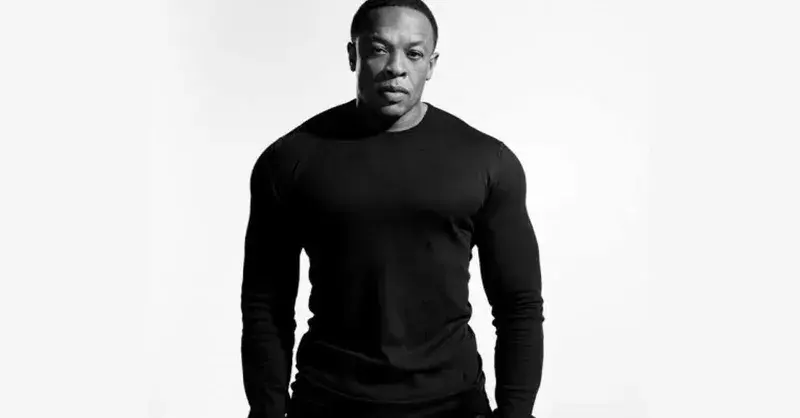
Dr. Dre has publicly embraced AI in music production, positioning himself against growing industry resistance to the technology
1
. The seven-time Grammy-winning producer revealed in a New York Times interview that he actively uses AI tools in the studio, describing the technology as "a new tool for creativity"2
. His longtime business partner Jimmy Iovine, former Interscope Records co-founder, went further, stating he sees "no downside at all" to AI-assisted creativity1
.
Source: Digital Trends
Dr. Dre, whose real name is Andre Romell Young, uses AI "as a tool to see what it would do with what I just did," though he didn't elaborate on specific applications
3
. This approach could range from generating entire tracks to separating stems or organizing files4
. The 61-year-old producer, who runs Beats as chief executive under Apple after the company's $3bn acquisition in 2014, joins artists like David Guetta, Timbaland, and Grimes in publicly acknowledging their use of AI tools in music production1
.Resistance to Technological Innovation Echoes Historical Patterns
Dre's defense of AI in music draws direct parallels to resistance against drum machines and synthesizers when those technologies first emerged
2
. "You sound like the person that would have been against the drum machine when it came out. Or synthesizers, right?" he argued, suggesting that opposition stems from fear of learning new things1
. This historical comparison positions current AI skepticism as part of a recurring pattern where musicians initially reject tools that later become industry standards.Jimmy Iovine reinforced this perspective, arguing that "the only people that see it as a threat are the people who have trouble creating"
3
. He believes talented musicians with access to AI tools will produce better records, dismissing concerns about quality by noting that "there's crappy music now" even without AI5
. Both producers suggested many artists are already experimenting with AI but remain "closet AI producers" unwilling to admit their use publicly1
.Streaming Services Implement AI Restrictions Amid Slop Concerns
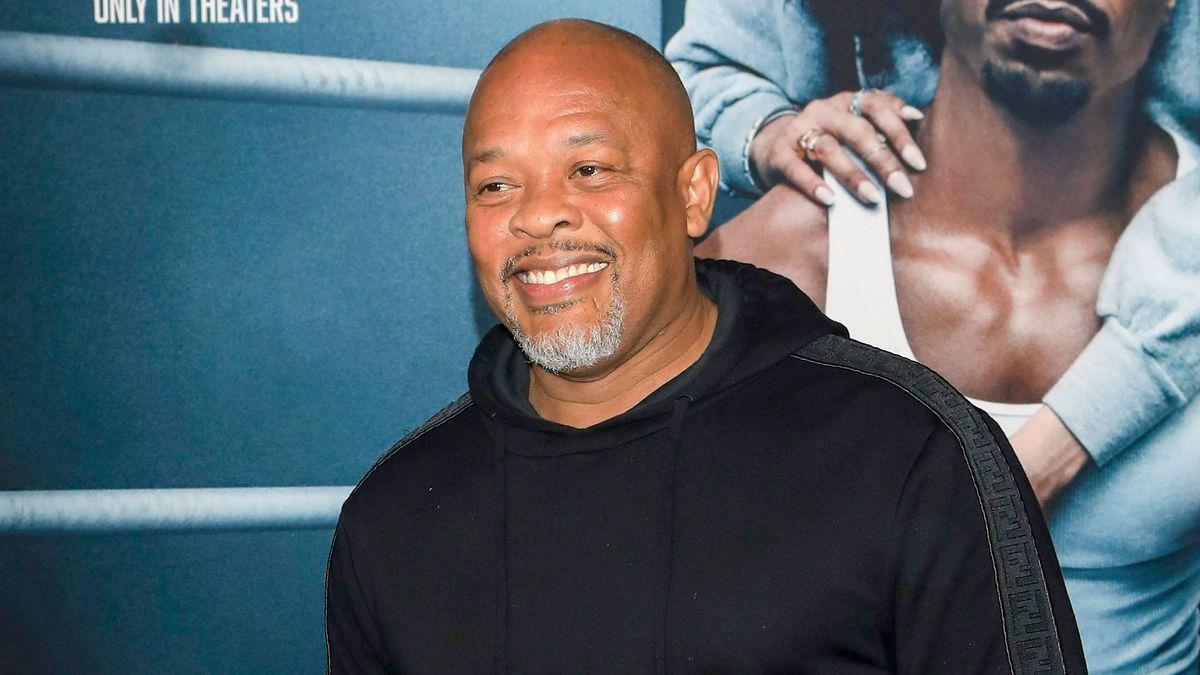
The embrace of AI in music production by high-profile artists contrasts sharply with actions taken by streaming services. Apple Music announced it will begin labeling songs derived from AI platforms later this year
1
. Spotify has tagged profiles of AI-generated artists as AI Personas, though it has moved slower than rivals on broader restrictions4
. Deezer reports that AI-generated music now accounts for more than half of all submissions it receives, with most flagged as fraud1
.
Source: Tom's Guide
Tidal has moved to strip royalties from fully AI-generated tracks, while Bandcamp implemented the strictest policy by banning music "generated wholly or in substantial part by AI"
4
. A coalition including the RIAA, IFPI, the Grammys, and SAG-AFTRA began pushing last month for an industry-wide labeling programme modeled on parental advisory stickers1
. These measures reflect growing concern over AI slop flooding platforms and devaluing human-created content.Related Stories
Copyright Concerns Drive Legal Action Against AI Music Platforms
The music industry has launched multiple legal challenges against AI music generation platforms. Round Hill Music sued Suno and Anthropic this month, accusing both companies of scraping hundreds of songs to train models without permission
1
. All three major labels have sued Suno, which settled with Warner Music Group last year before striking a licensing deal with BMG1
. BMG itself is now suing Anthropic over what it characterizes as widespread and systematic infringement.A hack last month revealed that Suno was built on millions of scraped songs, raising questions about the legality of its training data
1
. Despite these legal challenges, Suno raised funding at a $5.4bn valuation in June, more than doubling its worth in six months1
. The disconnect between AI music platforms' valuations and the legal scrutiny they face highlights unresolved tensions around copyright concerns and fair use in generative AI training.Industry Divide Deepens Over AI as a Creative Tool
The music industry remains sharply divided on AI adoption. While Dr. Dre, Timbaland, Diplo, and Will.i.am embrace AI tools in music production, others have taken strong opposing stances
3
. DJ Quik, one of Dre's contemporaries, expressed entirely different views on AI involvement in music creation3
. Jack Antonoff described creating music as "a holy process" and called those using AI to create it "Godless" in a fiery Instagram post3
.
Source: The Next Web
Flying Lotus advised up-and-coming producers to focus on instrument playing as AI-generated music rises, predicting that "people will want to go and see human music"
3
. This divide extends beyond music into film, where directors like Martin Scorsese and Steven Soderbergh support AI adoption while Guillermo Del Toro stated he would "rather die than use generative AI"2
. The distinction between using AI to mass-produce disposable content versus employing it as one element in an experienced producer's creative process may prove critical in determining how the technology reshapes creative industries5
.References
Summarized by

Navi
[1]
[2]
Related Stories
AI Music Generation Tools Spark Debate and Disruption in the Music Industry
01 Sept 2025•Technology

AI music floods Spotify as frustrated listeners build blockers and demand transparency
28 Apr 2026•Entertainment and Society

Major Labels Embrace AI Music Platforms After Copyright Battles, Raising Artist Concerns
16 Dec 2025•Entertainment and Society
Recent Highlights



Recent Highlights
Today's Top Stories





Don’t drown in AI news. We cut through the noise - filtering, ranking and summarizing the most important AI news, breakthroughs and research daily. Follow topics that matter to you and stay ahead.


