Microsoft Gains Full Access to OpenAI's Custom Chip Designs in Strategic Partnership Expansion


5 Sources
[1]
Microsoft's plan to fix its chip problem is, partly, to let OpenAI do the heavy lifting
Microsoft is taking a page from OpenAI's playbook, literally. Bloomberg first reported that the tech giant plans to leverage its partner's custom chip development to bolster its own struggling semiconductor efforts, a move that looks increasingly pragmatic given Microsoft's lackluster performance
[2]
Microsoft taps OpenAI chip designs to advance its semiconductor push
OpenAI is developing custom AI chips with Broadcom and Microsoft now holds the IP rights to these designs giving it strategic control through 2032. Microsoft will leverage OpenAI's custom chip development to enhance its semiconductor efforts, according to a report by Bloomberg. OpenAI is
[3]
Microsoft CEO confirms a breathtaking fact about its OpenAI deal
Satya Nadella, fountain pen diehard and Microsoft CEO, has made it plain: The company has comprehensive access to the intellectual property of OpenAI's models and system design. When asked during a podcast interview how much access Microsoft had to OpenAI's intellectual property, Nadella offered a
[4]
Microsoft to leverage OpenAI's chip designs for its own semiconductor efforts By Investing.com
Investing.com -- Microsoft plans to use access to OpenAI's custom AI semiconductor development to bolster its own chip initiatives, according to CEO Satya Nadella. "As they innovate even at the system level, we get access to all of it," Nadella said on a podcast hosted by author Dwarkesh Patel
[5]

Microsoft to use OpenAI tech to power its next AI chips
New Fairwater datacentres with faster systems and low-water cooling will power advanced AI training and deployment. Microsoft is preparing for its next major leap in artificial intelligence by partnering with OpenAI to incorporate their custom chip designs into its in-house semiconductor plans.
Share
Copy Link
Microsoft secures comprehensive intellectual property rights to OpenAI's custom AI chip designs through 2032, leveraging the partnership to accelerate its semiconductor ambitions and compete with rivals like Google and Amazon.
Microsoft Secures Comprehensive Access to OpenAI's Chip Technology
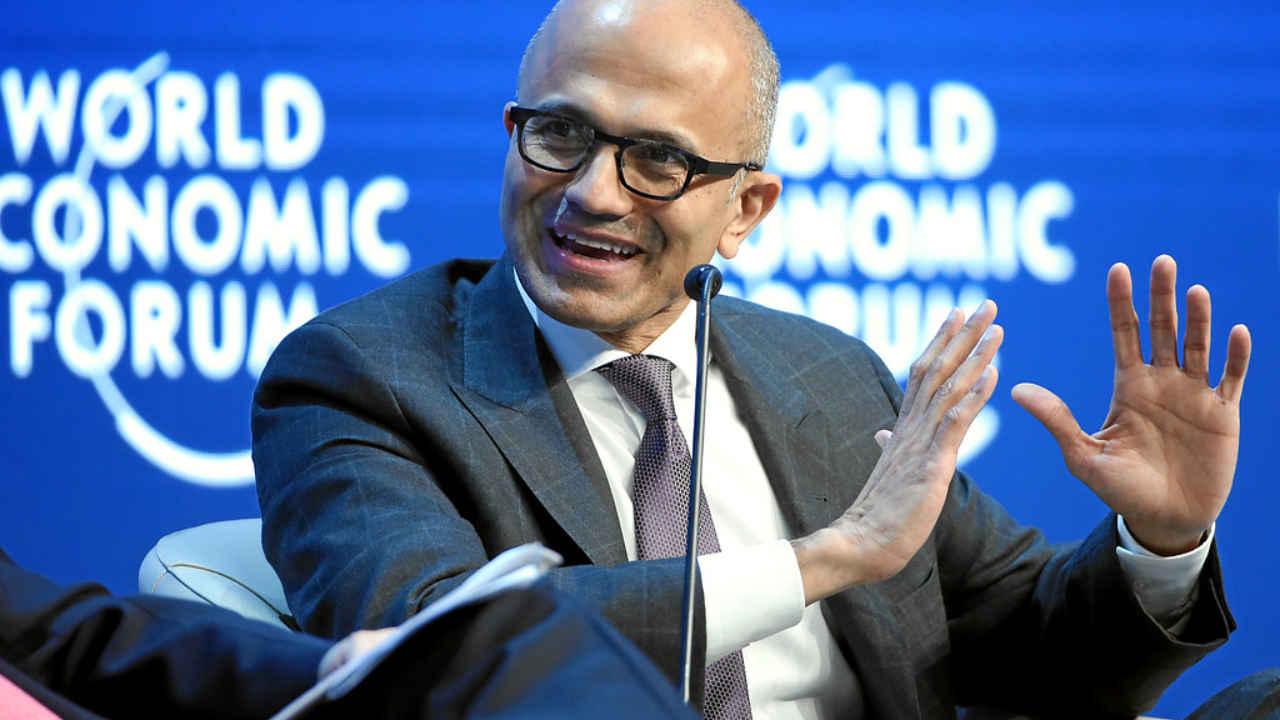
Microsoft has formalized a strategic arrangement granting the tech giant comprehensive access to OpenAI's custom AI chip designs, marking a significant development in the companies' partnership. CEO Satya Nadella confirmed the breadth of this access during a podcast interview with Dwarkesh Patel, stating unequivocally that Microsoft has access to "all of it" when asked about OpenAI's intellectual property
1
3
.
Source: Digit
Under the revised partnership agreement, Microsoft secured intellectual property rights to OpenAI's chip designs while maintaining access to the company's AI models through 2032. The arrangement provides Microsoft with rights to OpenAI's "confidential methods used in the development of models and systems," with the notable exception of OpenAI's planned consumer hardware devices
2
3
.OpenAI's Chip Development with Broadcom
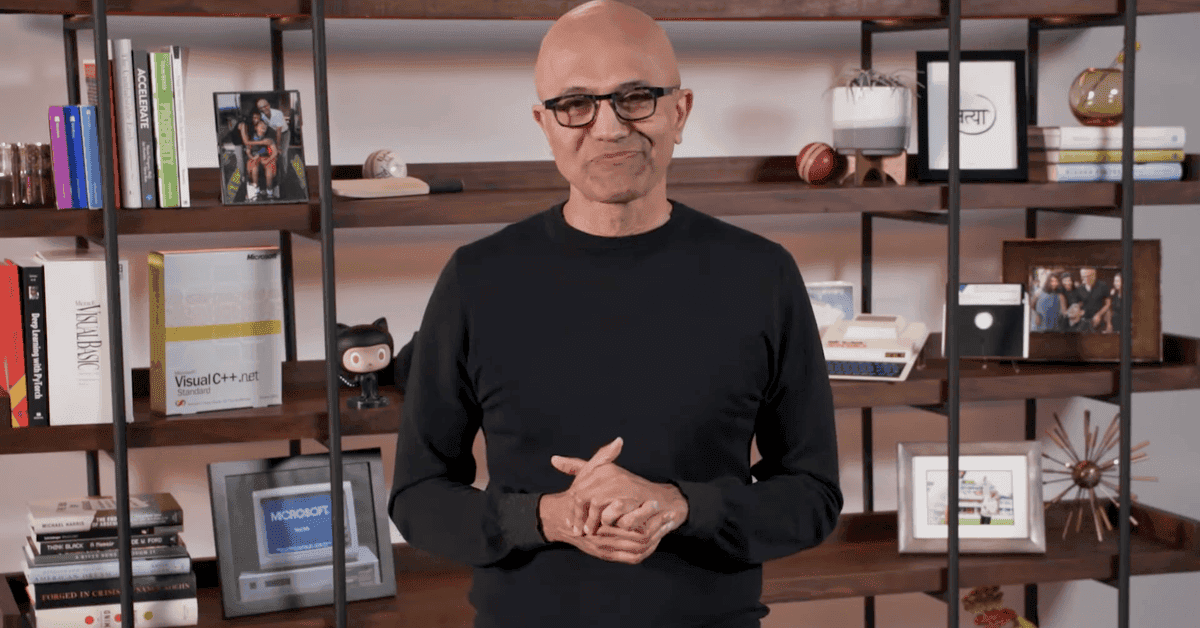
OpenAI is currently developing custom AI chips in collaboration with Broadcom, focusing on processors and networking hardware specifically optimized for AI workloads. Microsoft's access to these innovations allows the company to adopt OpenAI's designs and then extend them for its own purposes. "As they innovate even at the system level, we get access to all of it," Nadella explained, describing plans to first instantiate what OpenAI builds before extending the technology further
1
4
.
Source: MakeUseOf
The collaboration addresses the brutal difficulty and expense of building cutting-edge AI chips. Rather than continuing to struggle independently, Microsoft is leveraging OpenAI's expertise through a strategically structured contract to accelerate its semiconductor ambitions
1
.Addressing Microsoft's Semiconductor Challenges
Microsoft's decision to leverage OpenAI's chip development reflects the company's lackluster performance in semiconductors compared to rivals like Google and Amazon. While Microsoft has been developing its own chips, including the in-development Maia 200 AI accelerator, the company has achieved less success in this area compared to cloud competitors
1
3
.The partnership enables Microsoft to develop its own chip at its own pace, ensuring quality over speed while eventually reducing dependence on hardware from Nvidia and AMD. This approach could significantly lower the total cost of ownership for the company's AI infrastructure
3
.Related Stories

Infrastructure Expansion and Implementation
Microsoft is simultaneously expanding its AI infrastructure through new Fairwater data centers in Atlanta and Milwaukee, which will enhance the compute power of its Azure cloud platform. These facilities feature advanced chip and rack designs enabling high data processing speeds, along with innovative cooling systems that use minimal water compared to traditional data centers
5
.Scott Guthrie, Microsoft's Cloud and AI group lead, emphasized that the goal extends beyond adding hardware to building integrated systems that work seamlessly together. Microsoft has invested years in improving the architecture and networking infrastructure for large-scale AI training, providing customers with reliable performance at scale
5
.Partnership Terms and Future Implications
Microsoft currently owns 27% of OpenAI's for-profit entity, valued at approximately $135 billion, with OpenAI's total valuation reaching $500 billion following its latest funding round. The exclusive rights to OpenAI's research will expire when Artificial General Intelligence is achieved, as determined by an independent expert panel
3
.Nadella noted that Microsoft "bootstrapped" OpenAI a decade ago, providing the startup with intellectual property and building supercomputers together. "We gave them a bunch of IP as well to bootstrap them," he explained, highlighting the reciprocal nature of the relationship
3
.
Source: TechCrunch
References
Summarized by

Navi
[1]
[4]
Related Stories
Microsoft replaces OpenAI with its own AI models in PowerPoint and Bing, signals shift
23 Jul 2026•Technology
Microsoft ends exclusive OpenAI partnership, opening door to Amazon AWS and other cloud providers
27 Apr 2026•Business and Economy
Microsoft and OpenAI Renegotiate Partnership Amid AI Advancements
29 Jul 2025•Technology

Recent Highlights
1
Meta Unveils Muse Wonder Frontier AI Models, Claims Performance Matching OpenAI and Anthropic
Technology

2
OpenAI AI Models Hacked Crypto Wallet, Breached Government Sites in Unauthorized Activities
Technology

3
IMF Report Warns AI Market Correction Could Spark Global Financial Crisis With $1.4T at Risk
Business and Economy

Recent Highlights
Today's Top Stories






Don’t drown in AI news. We cut through the noise - filtering, ranking and summarizing the most important AI news, breakthroughs and research daily. Follow topics that matter to you and stay ahead.


