Microsoft patent reveals AI helper that can take over and play your Xbox games for you


3 Sources
[1]
Xbox applies for patent that would let friends or AI help you through games
Great minds think alike, as do the biggest gaming brands around. After it came to light earlier this year that Sony had applied for a patent for AI-generated "ghost" players to help out actual players, a patent application for something eerily similar from Xbox maker Microsoft has recently been
[2]
Microsoft patents system that could let AI play games for you
As we move into the scary, uncertain world of AI and gaming, it seems a lot of big companies are exploring various avenues to get the technology involved with our gaming experiences. A recent Microsoft patent could even let us pass on the controller to AI, letting it play our games for us. As
[3]
Microsoft Patent Allows for AI, or Another Human, to Swoop in And Help Complete Your Games - IGN
Microsoft has patented a method for an AI model to take control of your game, should you need a helping hand. The idea, which Microsoft initially registered back in 2024, is designed for players who might be stuck in a video game. Patent documentation dug up by Tech4gamers shows a Clippy-style
Share
Copy Link
Microsoft filed a patent for a system that would let an AI helper or another player take control of your game when you're stuck. The technology aims to replace walkthroughs and forums with direct in-game assistance, though critics wonder if it makes gaming too easy. PlayStation has filed a similar patent for AI ghost players.
Microsoft Patent Introduces Direct In-Game Assistance
Microsoft has applied for a patent that could fundamentally change how players receive video game help when they encounter challenging content
1
. The Microsoft patent, titled "State management for video game help sessions," was filed in 2024 and describes a system where players stuck in games could receive assistance from either human helpers or an AI helper2
. The technology would allow inputs from a remote helper to control your game during designated help sessions, effectively letting someone else remotely play through difficult sections like boss battles or complex platforming sequences1
.How the AI Take Over Gameplay System Works
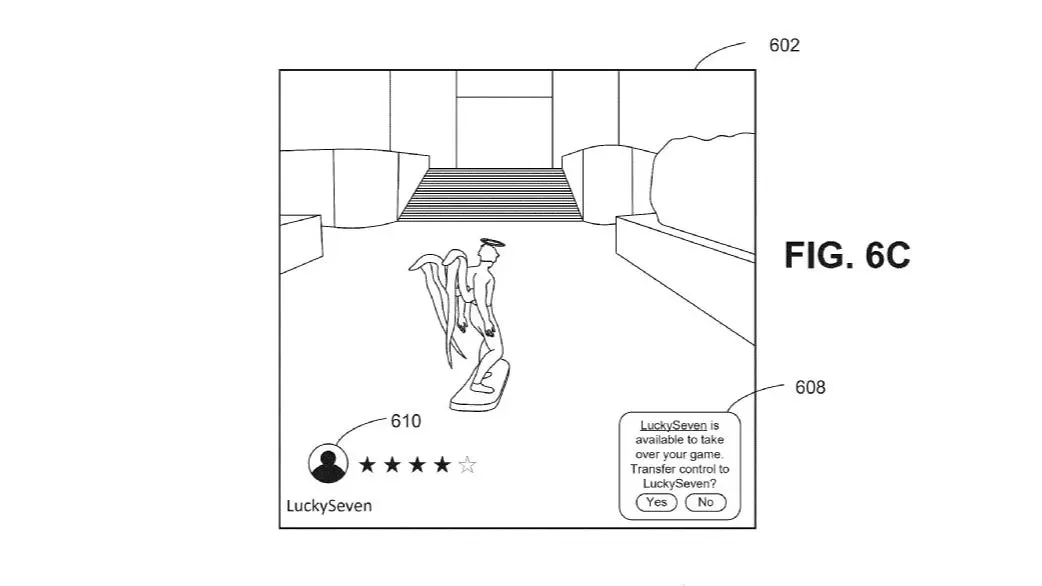
The patent documentation reveals a Clippy-style pop-up interface that would appear when players need assistance
3
. Players would see the name and identity of potential helpers, along with ratings indicating how helpful they've been in the past3
. During the help session, players could chat with their helper to understand the strategy being employed. The system includes safeguards to track player achievement accurately and ensure human helpers are paired with players in appropriate age ranges, preventing scenarios where children might help with mature-rated content3
.
Source: IGN
Crucially, players retain control over whether to accept the solution. After a helper completes a challenging section, players can choose to proceed from that new state or reject the assistance and revert to where they were before the helper took over
1
. This flexibility lets players decide whether to see the solution implemented or attempt to replicate it themselves.Generative AI and Machine Learning Models Power the System
The "video game helper" doesn't require human intervention at all. Microsoft's patent describes using a generative AI system defined as a machine learning model employed to generate new content
1
. One implementation involves a multi-modal generative model capable of processing various combinations of text, images, video, audio, application states, and code to generate appropriate inputs and outputs within games1
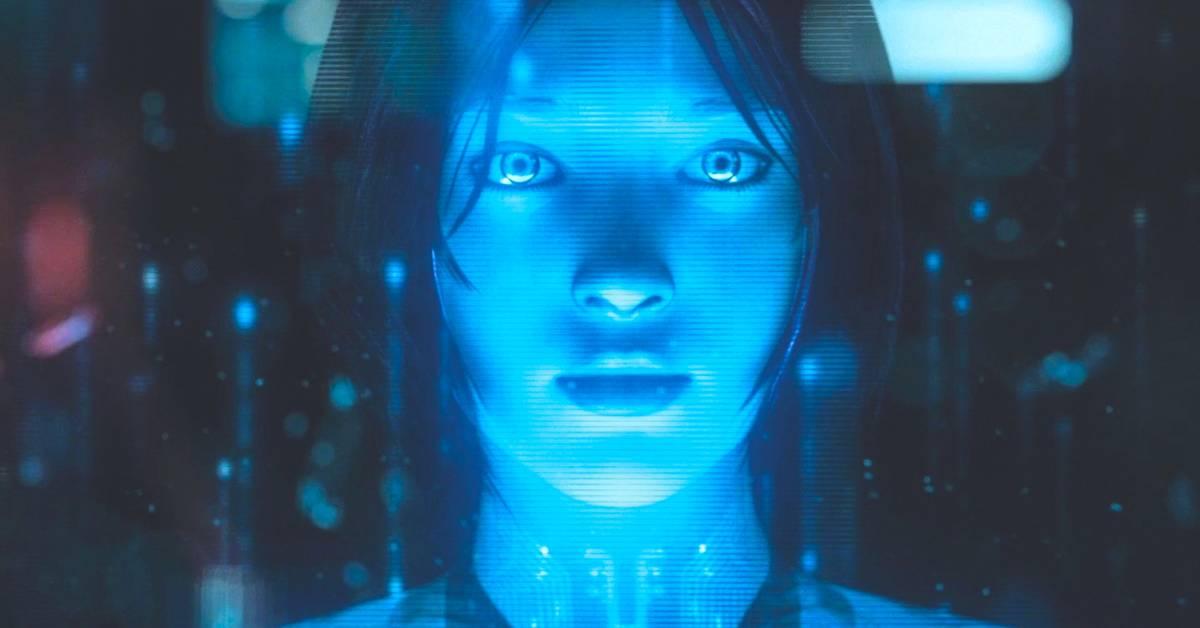
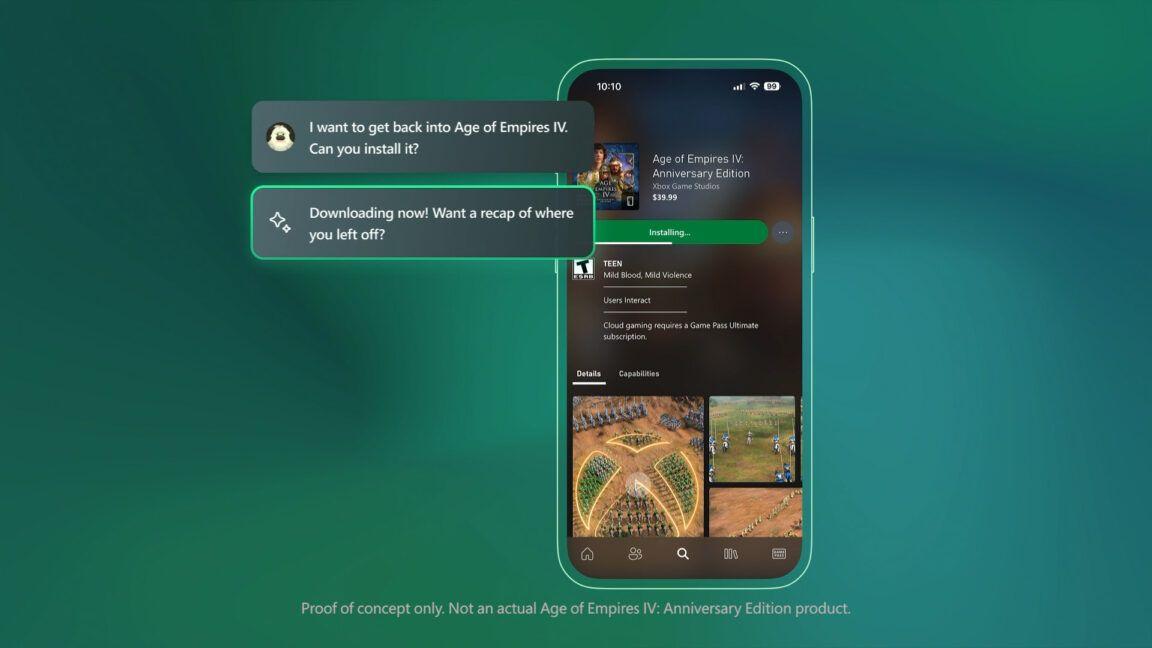
. This approach mirrors Microsoft's existing Copilot for Gaming program, described as an "AI-driven sidekick" by Jeff Rubenstein, director of Xbox editorial1
.
Source: Polygon
Microsoft's justification for the patent centers on improving current methods to assist players who are stuck. The company considers existing solutions like consulting forums or watching walkthroughs as "rather rudimentary" approaches
2
. The patent aims to eliminate the need for players to turn away from their gaming experiences to seek external help1
.Industry Competition and Future Implications
Microsoft isn't alone in exploring AI-assisted gameplay. Sony has filed a similar patent for PlayStation that would display an AI "ghost" player for users to follow, though Microsoft's system appears more comprehensive
3
. Both companies regularly patent gaming ideas that never reach production, so implementation remains uncertain3
.The technology has sparked debate about whether it represents helpful innovation or makes players overly reliant on assistance
2
. New Microsoft Gaming CEO Asha Sharma, who previously served as Microsoft CoreAI president, has pledged not to "chase short-term efficiency or flood our ecosystem with soulless AI slop"1
. She maintains that video games "are and always will be art, crafted by humans," though the status of video game helpers remains ambiguous1
.For Xbox players, this patent signals a potential shift in how assistance is delivered. Rather than pausing to search walkthroughs or community forums, players might soon summon instant help directly within their games. Whether this enhances accessibility or diminishes the satisfaction of overcoming challenges independently will likely depend on individual player preferences and how Microsoft chooses to implement the technology.🟡 untrained_model_response=🟡### Microsoft Patent Introduces Direct In-Game Assistance
Microsoft has applied for a patent that could fundamentally change how players receive video game help when they encounter challenging content
1
. The Microsoft patent, titled "State management for video game help sessions," was filed in 2024 and describes a system where players stuck in games could receive assistance from either human helpers or an AI helper2
. The technology would allow inputs from a remote helper to control your game during designated help sessions, effectively letting someone else remotely play through difficult sections like boss battles or complex platforming sequences1
.How the AI Take Over Gameplay System Works
The patent documentation reveals a Clippy-style pop-up interface that would appear when players need assistance
3
. Players would see the name and identity of potential helpers, along with ratings indicating how helpful they've been in the past3
. During the help session, players could chat with their helper to understand the strategy being employed. The system includes safeguards to track player achievement accurately and ensure human helpers are paired with players in appropriate age ranges, preventing scenarios where children might help with mature-rated content3
.Source: IGN
Crucially, players retain control over whether to accept the solution. After a helper completes a challenging section, players can choose to proceed from that new state or reject the assistance and revert to where they were before the helper took over
1
. This flexibility lets players decide whether to see the solution implemented or attempt to replicate it themselves.Related Stories

Generative AI and Machine Learning Models Power the System
The "video game helper" doesn't require human intervention at all. Microsoft's patent describes using a generative AI system defined as a machine learning model employed to generate new content
1
. One implementation involves a multi-modal generative model capable of processing various combinations of text, images, video, audio, application states, and code to generate appropriate inputs and outputs within games1
. This approach mirrors Microsoft's existing Copilot for Gaming program, described as an "AI-driven sidekick" by Jeff Rubenstein, director of Xbox editorial1
.Source: Polygon
Microsoft's justification for the patent centers on improving current methods to assist players who are stuck. The company considers existing solutions like consulting forums or watching walkthroughs as "rather rudimentary" approaches
2
. The patent aims to eliminate the need for players to turn away from their gaming experiences to seek external help1
.Industry Competition and Future Implications
Microsoft isn't alone in exploring AI-assisted gameplay. Sony has filed a similar patent for PlayStation that would display an AI "ghost" player for users to follow, though Microsoft's system appears more comprehensive
3
. Both companies regularly patent gaming ideas that never reach production, so implementation remains uncertain3
.The technology has sparked debate about whether it represents helpful innovation or makes players overly reliant on assistance
2
. New Microsoft Gaming CEO Asha Sharma, who previously served as Microsoft CoreAI president, has pledged not to "chase short-term efficiency or flood our ecosystem with soulless AI slop"1
. She maintains that video games "are and always will be art, crafted by humans," though the status of video game helpers remains ambiguous1
.For Xbox players, this patent signals a potential shift in how assistance is delivered. Rather than pausing to search walkthroughs or community forums, players might soon summon instant help directly within their games. Whether this enhances accessibility or diminishes the satisfaction of overcoming challenges independently will likely depend on individual player preferences and how Microsoft chooses to implement the technology.
References
Summarized by

Navi
Related Stories
Sony AI Patent Reveals Ghost Player That Takes Over Games When Players Get Stuck
06 Jan 2026•Technology
Microsoft Patent Lets Generative AI Rewrite Xbox Games Based on How You Play
24 Sept 2026•Technology
Microsoft's Copilot for Gaming: AI Assistant Promises to Enhance Xbox Experience
14 Mar 2025•Technology
Recent Highlights



Recent Highlights
Today's Top Stories





Don’t drown in AI news. We cut through the noise - filtering, ranking and summarizing the most important AI news, breakthroughs and research daily. Follow topics that matter to you and stay ahead.


