Microsoft Restructures Into 'Agents and Infra' and 'Devices and Consumer' Divisions in AI Makeover


2 Sources
[1]
Microsoft, Famous for Culty Jargon, Is Naming Half Its Organization 'Agents and Infra'
There's the already irksome world of general purpose corporate jargon, and then there's Microsoft, where dedication to saying things in a weird way borders on the religious. Add AI to the mix, and you get today's news: According to the Wall Street Journal, Microsoft will no longer be divided into
[2]
Microsoft's org chart is getting an AI makeover -- and it sounds very sci-fi
Microsoft's 'Agents and Infra' segment is meant to reflect the company's changes in the era of artificial intelligence. Microsoft is switching up its reporting structure for the AI era. As of the next fiscal quarter, its current three reporting segments -- Productivity and Business Processes,
Share
Copy Link
Microsoft is overhauling its organizational structure, replacing three traditional segments with two new divisions: Agents and Infra and Devices and Consumer. CEO Satya Nadella says the Microsoft reorganization reflects how AI is fundamentally changing operations, with Agents and Infra projected to generate $75 billion in revenue.
Microsoft Reorganization Signals Major Shift Toward AI-Centric Operations
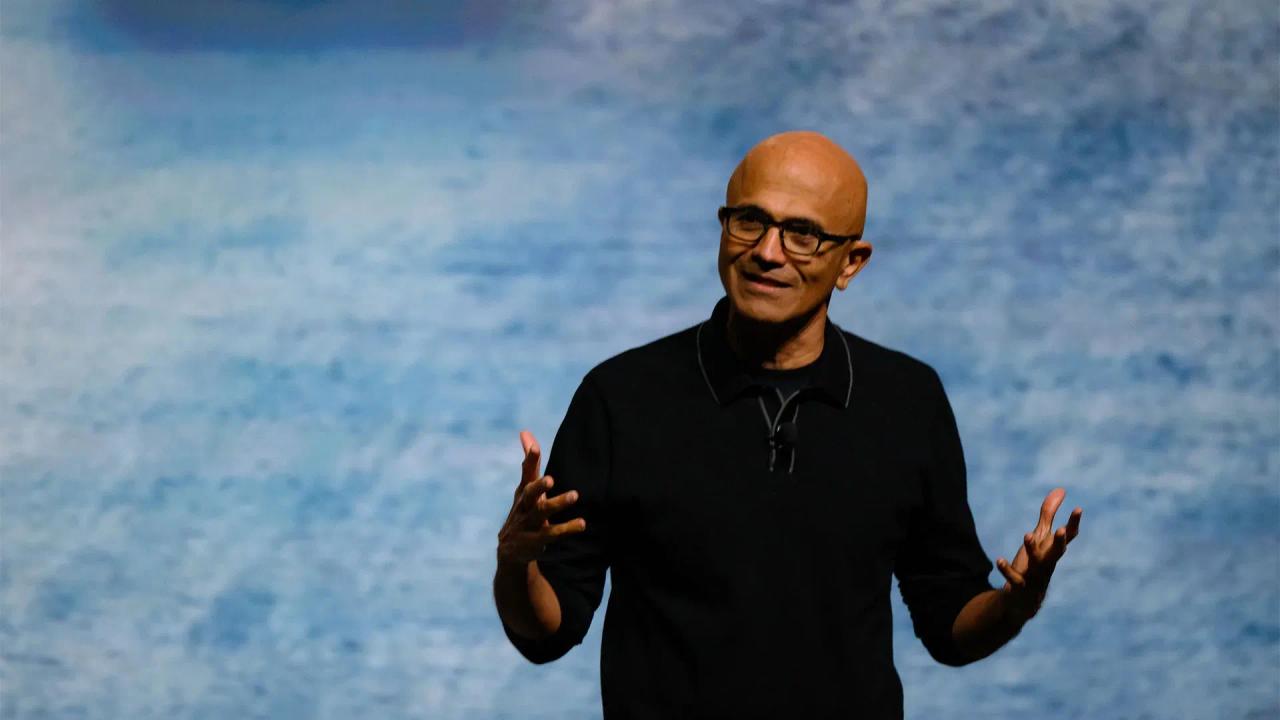
Microsoft is implementing a significant Microsoft reorganization that consolidates its traditional three-segment structure into two new divisions, marking a strategic realignment driven by artificial intelligence. Starting next fiscal quarter, the tech giant will replace its Productivity and Business Processes, Intelligent Cloud, and More Personal Computing segments with two new divisions: Agents and Infra and Devices and Consumer
1
2
.
Source: Fast Company
CEO Satya Nadella explained that AI represents a profound shift requiring this structural overhaul. The change aims to provide increased transparency to investors while reflecting how the company allocates resources and operates in the AI era
2
. This Microsoft internal structure transformation demonstrates how deeply AI is reshaping not just products, but organizational frameworks at major tech companies.Agents and Infra: The AI-Driven Business Model Takes Center Stage
The Agents and Infra division represents Microsoft's AI-centric operations, encompassing the company's AI models, GitHub, Azure cloud infrastructure, and Microsoft 365 with its Copilot features
1
. This segment is projected to generate approximately $75 billion in revenue for the first quarter of next year, making it the dominant revenue driver within Microsoft's new structure1
.Nadella emphasized that this integrated architecture connects agents and infrastructure in a fundamentally new way. "It's no longer about building or selling one app or service, but about connecting the entire trajectory of a 'job to be done,'" he stated during a recent presentation
2
. The strategic realignment will also mark the first time Microsoft discloses quarterly revenue specifically for Azure, its cloud computing platform, providing clearer visibility into this critical business segment2
.Devices and Consumer Segment Consolidates Customer-Facing Products
The Devices and Consumer division groups together Microsoft's customer-facing products including Xbox, Windows, Bing, and LinkedIn, along with the company's search and advertising operations
1
2
. This segment is projecting approximately $15 billion in revenue for the first quarter of next year1
.While this division appears more straightforward than its counterpart, questions remain about certain organizational choices. The separation of Microsoft 365 from Windows raises eyebrows about whether these closely related products should truly be siloed from one another
1
. However, from Microsoft's perspective, this AI makeover represents a logical evolution of how the company engages with customers and drives outcomes.Related Stories



Corporate Jargon Meets AI: Microsoft's Unique Organizational Language
The naming choice reflects Microsoft's long-standing reputation for distinctive corporate jargon. The company has historically embraced terminology that outsiders find peculiar, from the famous "dogfooding" (using your own software product) to internal concepts like "accountability margin" instead of the standard "profit margin"
1
. This tradition dates back to Steve Ballmer's tenure, when he introduced the concept of "One Microsoft" to foster greater harmony within the fractured organization1
.The shift toward AI-driven business models is forcing tech companies to rethink fundamental structures. Watch for how this Microsoft reorganization influences investor perception of Azure's performance and whether other tech giants follow suit with similar AI-focused structural changes. The real test will be whether consolidating AI models, cloud infrastructure, and productivity tools under one umbrella accelerates innovation or creates new operational complexities.
References
Summarized by

Navi
Related Stories
Recent Highlights
1
Meta Unveils Muse Wonder Frontier AI Models, Claims Performance Matching OpenAI and Anthropic
Technology

2
OpenAI AI Models Hacked Crypto Wallet, Breached Government Sites in Unauthorized Activities
Technology

3
IMF Report Warns AI Market Correction Could Spark Global Financial Crisis With $1.4T at Risk
Business and Economy

Recent Highlights
Today's Top Stories




Don’t drown in AI news. We cut through the noise - filtering, ranking and summarizing the most important AI news, breakthroughs and research daily. Follow topics that matter to you and stay ahead.


