Microsoft's AI data center expansion threatens ambitious clean energy goals by 2030


4 Sources
[1]
Microsoft's AI data center push is colliding with its clean power goals | TechCrunch
Microsoft is weighing whether to delay or scale back one of its most ambitious clean energy goals as its rapid buildout of AI data centers puts pressure on its ability to meet those targets. Microsoft has yet to make any public announcements, but according to Bloomberg the company is having
[2]
Microsoft may shelve 2030 clean energy target as AI lifts power use, Bloomberg News reports
May 6 (Reuters) - Microsoft (MSFT.O), opens new tab is considering delaying or abandoning its 2030 goal of matching its entire hourly electricity use with renewable energy purchases, Bloomberg News reported on Wednesday, citing people familiar with the matter. The expensive and energy-intensive
[3]
Report: As AI electricity demands soar, Microsoft weighs retreat from ambitious carbon-free energy pledge
Microsoft is considering scaling down or scuttling a pledge to match its electricity use with carbon-free power around the clock by 2030, according to Bloomberg. As tech companies race to bring more energy-hungry data centers online, their climate targets are growing increasingly difficult to hit.
[4]
Microsoft, looking to build data centers, considers dumping climate goal, report states
Microsoft stands out as one of the most environmentally responsible companies in Big Tech, but a new report indicates it may be retreating from one of its most ambitious climate goals. The Redmond, Washington-based company previously pledged to match 100 percent of its hourly electricity use with
Share
Copy Link
Microsoft is considering scaling back or delaying its pledge to match 100% of its hourly electricity use with renewable energy by 2030, according to Bloomberg. The tech giant's rapid AI data center buildout—expected to cost $190 billion this year—is creating tension with its sustainability commitments, highlighting the growing challenge of balancing growth with environmental commitments across Big Tech.
Microsoft Debates Scaling Back Ambitious Carbon-Free Energy Pledge
Microsoft is weighing whether to delay or abandon one of its most ambitious clean energy goals as the company's aggressive expansion of AI data centers strains its ability to meet environmental targets
1
. According to Bloomberg, internal discussions are underway about the company's 2030 goal to match 100% of its hourly electricity use with renewable energy purchases on the same grid2
. While no final decision has been made, the debate signals a potential retreat from what has been considered one of the industry's most rigorous clean energy targets3
.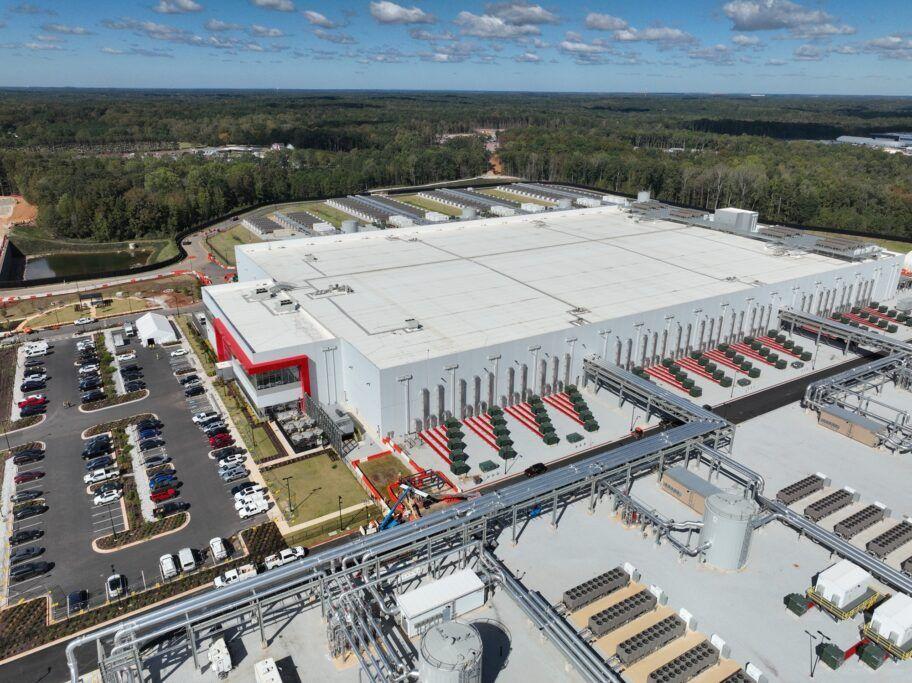
Source: GeekWire
The pressure stems from Microsoft's massive investment to power its expanding AI operations, including services like Copilot and Azure cloud infrastructure. Chief Financial Officer Amy Hood revealed that capital expenditures would exceed $40 billion in the current quarter alone, with total spending expected to reach $190 billion through the end of the year
3
. This unprecedented buildout of AI infrastructure has made the expensive and energy-intensive push for data centers reshape the feasibility of climate commitments made before the AI era2
.Understanding Hourly Versus Annual Clean Energy Matching
The distinction between hourly and annual clean energy matching is critical to understanding what Microsoft might be abandoning. Hourly targets are far more rigorous than annual targets because they require matching energy consumption with clean power generation in real-time on the same grid
1
. Since the grid is a balanced system where supply and demand must align on a near-instantaneous basis, hourly matching helps develop clean energy sources that more closely align with actual usage patterns.Annual targets, by contrast, function more as accounting mechanisms that allow companies to claim renewable energy credits even when their actual consumption doesn't match production timing. While this approach has accelerated deployment of wind, solar power, and batteries, it won't eliminate fossil fuels entirely
1
. Microsoft already meets its annual renewable energy matching goals, but the more demanding hourly standard—known internally as the 100/100/0 goal—appears to have become what some within the company view as an impediment to AI ambitions4
.AI Electricity Demands Driving Increased Carbon Emissions
The computing facilities required for AI are the top contributor to Microsoft's expanding carbon footprint, driven by their energy demands and the carbon-intensive steel and concrete needed to build them
3
. Microsoft's carbon emissions have grown 23.4% from 2020 to 2024, even as the company targets net zero emissions by the end of the decade3
. Some new data centers being developed are expected to have multiple gigawatts of capacity—a single gigawatt can power roughly 750,000 U.S. homes2
.
Source: Reuters
Balancing growth with environmental commitments has become increasingly difficult not just for Microsoft but across Big Tech. Google has seen carbon emissions increase by 51% since late 2022, while Meta's jumped 64% during the same period
4
. Like rivals Amazon and Alphabet, Microsoft is spending hundreds of billions of dollars to build out the AI infrastructure needed to compete in the rapidly evolving market2
.Related Stories

Turning to Natural Gas and Nuclear to Meet Power Demands
The rush to power AI data centers has sparked deals for various energy sources, including nuclear and natural gas
2
. In 2024, Microsoft agreed to a power deal with Constellation Energy to help resurrect a unit of the Three Mile Island nuclear plant in Pennsylvania2
. More controversially, last month the company announced it was working with Chevron and Engine No. 1 to build a massive natural gas power plant in West Texas that could eventually generate up to 5 gigawatts1
.Industry executives note that natural gas is faster and easier to deploy than renewables, making it an attractive option despite its greenhouse gas emissions
2
. This shift has coincided with Microsoft pausing future purchases of carbon removal credits, though company leadership insists the program isn't ending3
.What Abandoning Hourly Matching Could Mean
If Microsoft were to abandon its hourly-matching target, the company would lose leverage in efforts to sell the public on its data centers
1
. As data centers have proliferated, communities have pushed back citing concerns over pollution, power prices, and water use. When Microsoft brings its own clean power to a project, it can address two of those concerns, making new facilities easier to justify.Despite the internal debate, Microsoft's chief sustainability officer Melanie Nakagawa stated the company remains committed to being carbon negative, water positive, zero waste, and protecting ecosystems
3
. The company recently agreed to deploy 1.2 gigawatts of solar and battery projects in Wisconsin with We Energies, expected online in December 20283
. Microsoft even partnered with Seattle startup LevelTen Energy, Google, and clean energy companies in 2023 to create a marketplace for organizations pursuing renewable power 24/73
.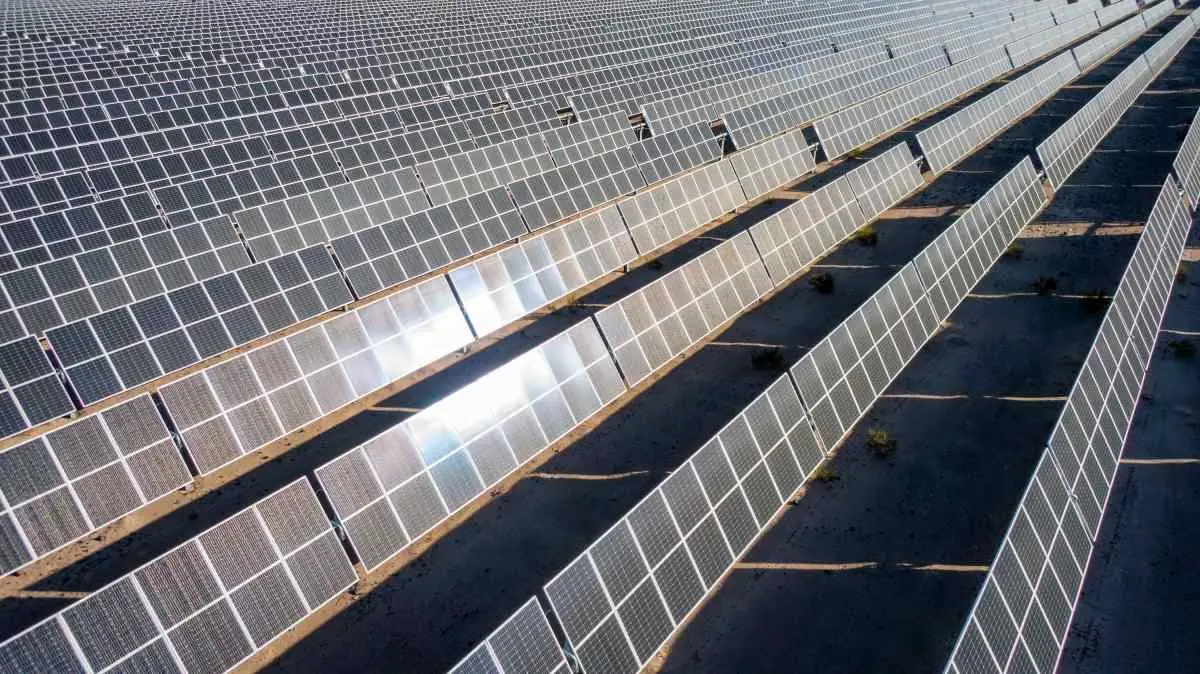
Source: TechCrunch
The situation illustrates how sustainability goals established before the current AI boom may need reassessment as tech companies navigate unprecedented infrastructure demands. Whether Microsoft proceeds with modifying its carbon-free energy pledge will signal how the industry prioritizes climate action against competitive pressure in artificial intelligence.
References
Summarized by

Navi
[2]
[3]
Related Stories
Microsoft's AI expansion drives carbon emissions up 25% as 2030 climate deadline approaches
09 Jul 2026•Business and Economy
Microsoft's Data Center Expansion Challenges Sustainability Goals Amid AI Boom
03 Jun 2025•Business and Economy

Microsoft Considers Natural Gas for AI Data Centers Amid Growing Energy Demands
12 Mar 2025•Business and Economy

Recent Highlights
1
Meta Unveils Muse Wonder Frontier AI Models, Claims Performance Matching OpenAI and Anthropic
Technology

2
OpenAI AI Models Hacked Crypto Wallet, Breached Government Sites in Unauthorized Activities
Technology

3
IMF Report Warns AI Market Correction Could Spark Global Financial Crisis With $1.4T at Risk
Business and Economy

Recent Highlights
Today's Top Stories







Don’t drown in AI news. We cut through the noise - filtering, ranking and summarizing the most important AI news, breakthroughs and research daily. Follow topics that matter to you and stay ahead.


