Mirelo Raises $41M from Index and a16z to Solve AI Video's Silent Problem with Audio Generation


3 Sources
[1]
Mirelo raises $41M from Index and a16z to solve AI video's silent problem | TechCrunch
AI lets anyone create videos, but many AI video creation tools lack support for audio. Mirelo is building AI that adds soundtracks to match the video's action. Earlier this year, the Berlin-based startup released Mirelo SFX v1.5, an AI model that interprets videos to add synced sound effects
[2]
Investing in Mirelo | Andreessen Horowitz
In a 1992 New York Times interview, George Lucas said, "Sound is half the experience in seeing a film." For anyone who's enjoyed the satisfying swish of a lightsaber, the beep-boops of R2-D2, or the zoom of a Podracer (or the millions of other sounds characterizing films beyond the Star Wars
[3]
Audio generation startup Mirelo nabs $41M investment - SiliconANGLE
Mirelo AI GmbH, a Germany-based developer of audio generation models, today announced that it has raised $41 million in funding. Index Ventures and Andreessen Horowitz led the seed investment. They were joined by Atlantic.vc and TriplePoint Capital. Mirelo's flagship AI model, Mirelo SFX 1.5, is
Share
Copy Link
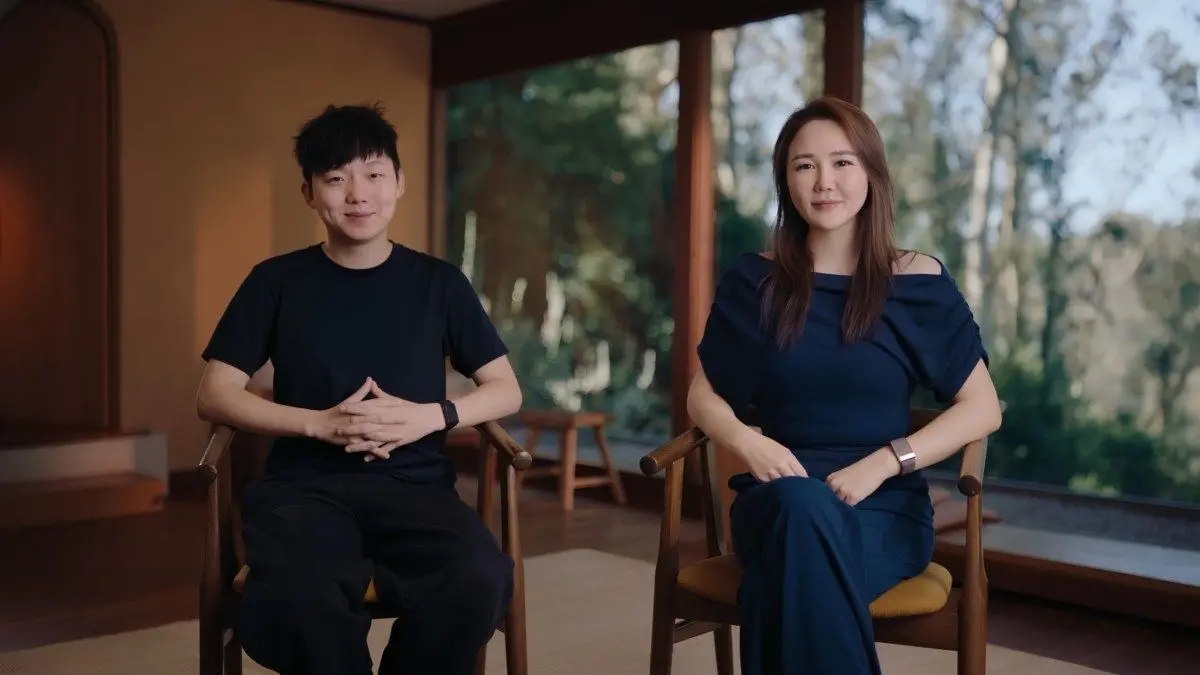
Berlin-based startup Mirelo has secured $41 million in seed funding from Index Ventures and Andreessen Horowitz to tackle a critical gap in AI-generated video: the lack of sound. The company's flagship model, Mirelo SFX 1.5, generates synchronized sound effects for silent videos, addressing what CEO Carl-Johann Simon-Gabriel calls the missing half of the viewing experience. With plans to triple its team and expand beyond sound effects into music generation, Mirelo aims to build a competitive moat in an emerging category that's attracting attention from tech giants like Sony and Tencent.
Mirelo Secures Major Seed Funding to Address Critical Gap in AI Video
Berlin-based startup Mirelo has raised $41 million in seed funding led by Index Ventures and Andreessen Horowitz, with participation from Atlantic.vc and TriplePoint Capital
1
3
. The investment addresses what many consider AI video's silent problem: while AI audio generation tools can create stunning visuals, most video creation tools lack robust support for audio. This funding brings Mirelo's total capital raised to $44 million and positions the two-year-old company to compete against recent entries from Sony, Tencent, Kuaishou-owned Kling AI, and ElevenLabs1
.
Source: Andreessen Horowitz
Building an AI Foundation Model for Sound Layer of Video
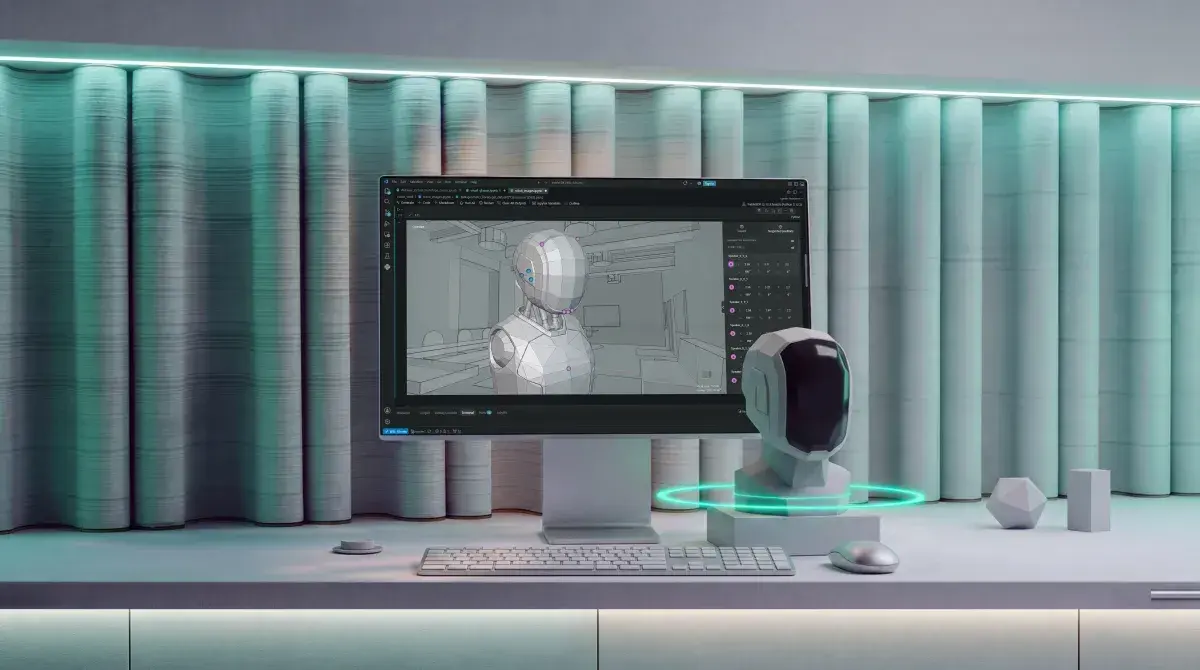
Mirelo's flagship product, Mirelo SFX 1.5, functions as an AI foundation model for sound that interprets video content and generates synced audio for silent videos
1
3
. In demonstrations, the model analyzed a clip of a drummer and produced synchronized sound effects perfectly timed to the drummer's movements. Independent reviewers found that SFX 1.5 outperformed two popular alternatives by a wide margin, particularly in generating fewer unwanted sounds and processing fast-paced videos with rapid motion3
. The technology delivers what Andreessen Horowitz describes as advanced AI tools for audio that define what viewers feel, not just what they see2
.
Source: SiliconANGLE
Technical Infrastructure and Development Approach
Mirelo trains its models using a cluster of Nvidia H100 and H200 chips powered by Slurm, an open-source workload distribution tool
3
. The company leverages PyTorch, Meta's model development framework, and is exploring both diffusion models and autoregressive models in its research3
. This dual-architecture approach positions Mirelo to capitalize on the strengths of both techniques: diffusion for media generation and transformer architecture for sophisticated audio creation. The company's next-generation model promises better consistency between different audio files and will extend capabilities to film and video game audio applications3
.Monetization Strategy Through Mirelo Studio and API Access
The startup has published its models on Fal.ai and Replicate, with API usage expected to drive most revenue in the short term
1
. Mirelo also offers a freemium model through Mirelo Studio, its workspace for creators, with a recommended plan priced at €20 per month (approximately $23.50) targeting amateurs and prosumers1
. Mirelo Studio enables users to generate audio files with text prompts, create multiple versions, and manually refine outputs3
. The platform could eventually support full professional use as sophisticated creators demand more control over soundscapes, similar to how they edit lighting and composition in visual production2
.Related Stories

Ethical Data Sourcing and Artist Rights
Anticipating concerns that have plagued other generative AI companies, Mirelo has prioritized ethical data sourcing in its training approach. According to Georgia Stevenson, who led Index Ventures' investment, Mirelo based its models on public and purchased sound libraries and is signing revenue-sharing partnerships that respect artists' rights
1
. This positions the company to avoid the legal and ethical controversies that have surrounded other AI firms. Co-founders Carl-Johann Simon-Gabriel and Florian Wenzel, both AI researchers and musicians themselves, bring credibility to this approach1
.
Source: TechCrunch
Competitive Positioning and Growth Plans
Mirelo expects to double or triple its current team of 10 people by the end of next year to support R&D, product development, and go-to-market strategy
1
. The startup's narrower focus on synchronized sound effects differentiates it from competitors, and CEO Simon-Gabriel believes there's an opportunity to build a real moat in this space where less research is happening compared to other AI fields1
. The company is backed by notable angels including Mistral CEO Arthur Mensch, Hugging Face chief science officer Thomas Wolf, and Fal.ai co-founder Burkay Gur1
. While acknowledging that competitors like Gemini now incorporate soundtracks to AI-generated videos powered by DeepMind's Veo 3.1, Simon-Gabriel sees validation in the market's recognition that sound matters, comparing the shift to the transition from silent movies to talkies1
.References
Summarized by

Navi
[1]
[2]
Related Stories
Fish Audio raises $50M seed to build expressive AI voice models for creators and enterprises
28 Jul 2026•Startups
Treble Secures $18 Million to Transform Voice AI Testing with Acoustic Simulation Platform
18 Sept 2026•Startups
Gradium Emerges from Stealth with $70M to Revolutionize Voice AI with Ultra-Low Latency Models
02 Dec 2025•Startups

Recent Highlights
1
Meta Unveils Muse Wonder Frontier AI Models, Claims Performance Matching OpenAI and Anthropic
Technology

2
IMF Report Warns AI Market Correction Could Spark Global Financial Crisis With $1.4T at Risk
Business and Economy

3
OpenAI Releases 722 AI-Generated Math Solutions, Triggering Existential Crisis in Mathematics
Technology

Recent Highlights
Today's Top Stories








Don’t drown in AI news. We cut through the noise - filtering, ranking and summarizing the most important AI news, breakthroughs and research daily. Follow topics that matter to you and stay ahead.


