MLB bans AI on dugout iPads as teams push tech boundaries for in-game strategic decisions


7 Sources
[1]
MLB bans using dugout iPads for AI-powered in-game strategy calls - Engadget
It appears the urge to turn all critical thinking over to AI has not escaped Major League Baseball teams. Regular baseball viewers have become accustomed to seeing players and staff huddled around tablets in the dugout. The expectation is that the devices are used for reviewing performance and
[2]
MLB cracks down on using AI via dugout iPads to help shape in-game decisions
In a crackdown that has rankled some front offices across the league, Major League Baseball has effectively outlawed the growing practice of using league-provided dugout iPads to access generative artificial intelligence, which some teams had increasingly leaned upon to help shape in-game
[3]
Major League Baseball cracks down on iPad use in dugouts. Here's why
Major League Baseball is restricting iPad usage in dugouts to prevent the tablets from running artificial intelligence to help make strategy decisions, and former reliever Adam Ottavino said the New York Mets' use of technology helped prompt the move. The tablets have access to video and
[4]
Mets among teams who used AI loophole with dugout iPads before MLB crackdown
The Mets were among the teams found to have exploited a loophole regarding the use of artificial intelligence for in-game decisions during the first half of the season, sources told The Post. Major League Baseball banned the practice beginning Wednesday. The crackdown was issued in a June 11 memo
[5]
MLB cracks down on dugout iPads with artificial intelligence fears growing
MLB is cracking down on artificial intelligence. According to a report by The Athletic on Thursday, the league "has effectively outlawed the growing practice of using league-provided dugout iPads to access generative artificial intelligence, which some teams had increasingly leaned upon to help
[6]

Green: Mets compliant on AI after report of usage
PHILADELPHIA -- New York Mets interim manager Andy Green said the club is fully compliant with Major League Baseball when asked about a report that singled out his organization for using artificial intelligence for in-game strategy decisions. "Whatever the rules are, we remain fully compliant and
[7]
MLB disallowing AI usage on iPads in dugout
NEW YORK -- Major League Baseball is restricting iPad usage in dugouts to prevent the tablets from running artificial intelligence to help make decisions. The tablets have access to video and league-provided data, and also included a custom tab where teams could access other programs. MLB made the
Share
Copy Link
Major League Baseball has outlawed using dugout iPads for AI-powered in-game strategy after discovering up to a third of teams were running custom apps for pitch calling and substitutions. The mid-season crackdown, effective July 16, targets generative artificial intelligence that was replacing decisions traditionally made by coaches and players, with the Mets among teams reportedly exploiting the loophole.
MLB Cracks Down on iPad Use as AI Enters the Dugout
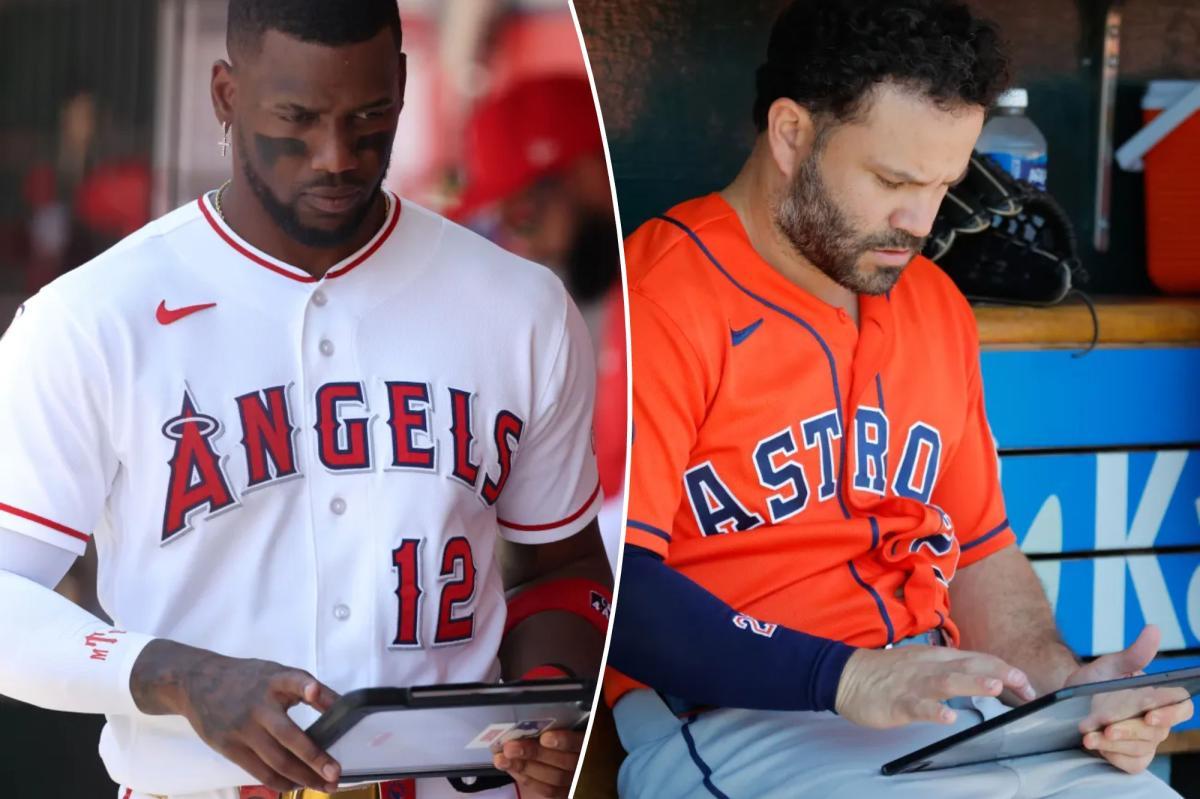
Major League Baseball has moved decisively to restrict how teams use artificial intelligence during games, effectively banning the practice of deploying generative artificial intelligence through dugout iPads for in-game strategic decisions. According to a commissioner's office memo obtained by The Athletic and issued on June 11, teams had been pushing technological boundaries by installing custom apps that expanded iPad functionality "beyond their originally intended purpose to include recommendations regarding substitutions, pitch calling, and other in-game decisions traditionally made by players and coaches"
2
. The ban on AI-powered apps took effect on July 16, just as the second half of the season began3
.
Source: New York Post
As many as a third of teams across the league had been using dugout iPads for at least one of these AI-driven recommendations, according to people with knowledge of the technology who spoke anonymously
2
. The Mets were among the teams found to have exploited this loophole during the first half of the season, with sources confirming their involvement to The Post4
. Former reliever Adam Ottavino, who pitched for the Mets from 2022-24, stated on his YouTube livestream that the team had deployed an expensive AI program—reportedly costing several hundred thousand dollars—primarily for pitch calling assistance3
.The Technology Behind the Controversy
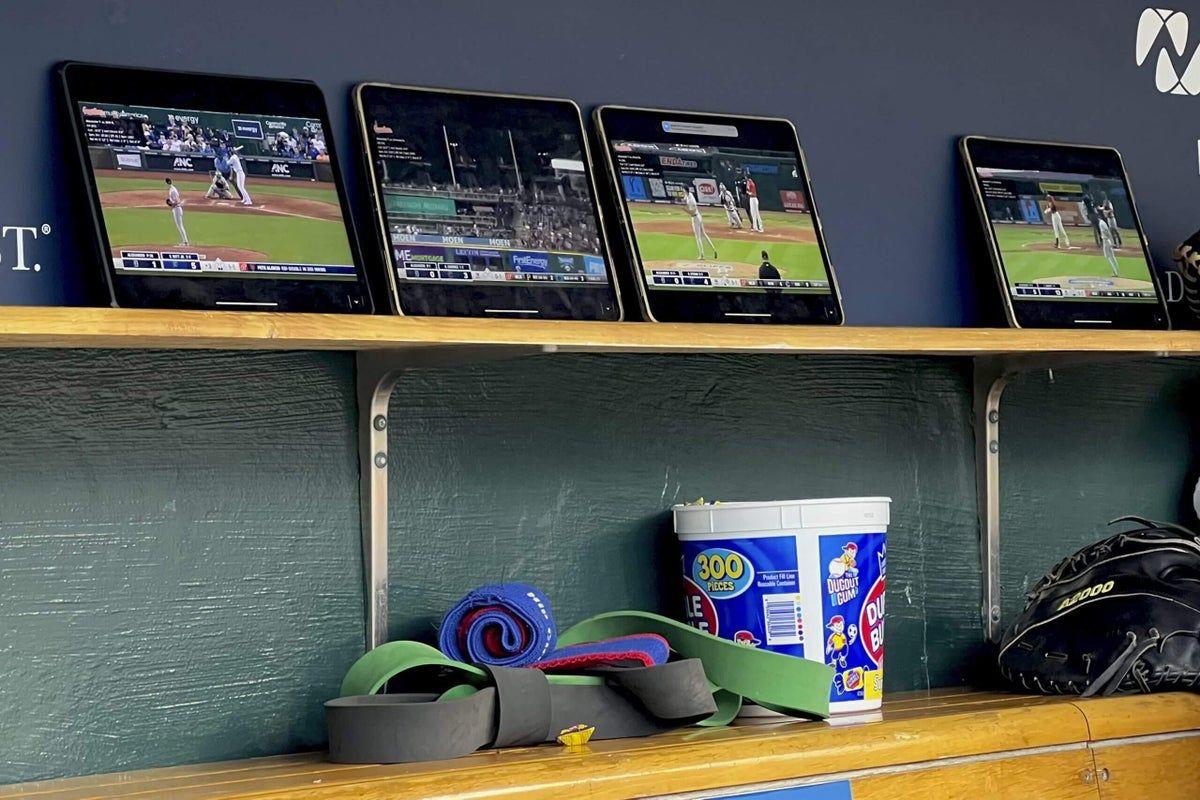
League-issued iPads have been a fixture in MLB dugouts since 2016, following a pilot program that began late in the 2015 season under a deal with Apple
3
. These tablets provided access to Statcast data, multiple video angles, and information related to the automated ball-strike system through three distinct tabs2
. The third tab—known across the league as the "custom tab"—housed each team's specialized data, similar to information traditionally found in paper-filled binders, including matchup information, defensive positioning, and player tendencies2
.
Source: NYT
Over time, players and teams successfully pushed for loosened restrictions surrounding the tablets, with coaches and players wanting the ability to customize what the devices could do for them
2
. This flexibility opened the door for AI for in-game decisions. According to multiple sources canvassed by The Athletic, some teams began inputting information from ongoing games to improve generative AI models' ability to anticipate the next pitch2
. Going forward, teams can still upload static information—data available before first pitch—though anything uploaded remains subject to review by MLB2
.Competitive Integrity and the Sign-Stealing Shadow
The mid-season policy change has stirred significant frustration among front-office members tasked with innovation. "It's caused quite the stir," said one high-ranking official of an MLB team's research and development department
2
. However, the move reflects deeper concerns about competitive integrity and the human-centric nature of baseball. One front office executive captured the preemptive spirit of the crackdown, telling The Athletic: "Gotta stop the cheating before there's cheating now"1
.
Source: ESPN
The decision comes against the backdrop of previous sign-stealing scandals that rocked the sport, most notably the Houston Astros controversy that led to tighter regulations in 2021
1
. Former MLB executive Chris Marinak explained in March 2021 that iPads would be "fully controlled" and "completely locked down," with players unable to access the internet for browsing or social media2
. In-game video remains available but only on a delay, typically once an inning is completed2
.The competition committee's review found all clubs were compliant with existing rules governing sign stealing and electronic-device usage, so no penalties were issued
2
. The memo from MLB executive vice president of baseball operations Morgan Sword noted that instituting the prohibition at the start of the second half was "intended to provide clubs that have relied on the custom tab with appropriate lead-time to make any necessary adjustments"3
.Related Stories



Innovation and Tradition at a Crossroads
The crackdown highlights the ongoing tension between innovation and tradition in professional sports. Yankees captain Aaron Judge expressed surprise at the revelations, saying: "I read the article and I was like, I can't believe what I'm seeing. Teams are making decisions off of AI? Man, that's just crazy"
3
. Toronto Blue Jays manager John Schneider called it "a little weird to kind of see the whole report on it, where you can do things kind of in real time that can sway your decision one way or another," specifically citing pitch calling as a key concern .Yet not everyone views the development negatively. Arizona manager Torey Lovullo acknowledged the inevitability of AI's influence: "It hasn't impacted us at all but I know AI is entering our arena for sure. It's entering everyone's arena. You better get on it, or you're going to get rolled over by it"
3
. Jack Lambert, director of baseball operations at Driveline Baseball, suggested that with live game scoring, teams could chart pitch type and location to generate dynamically updating game plans that determine whether approaches should change as pitchers face lineups multiple times5
.The debate centers on whether AI-powered in-game strategy enhances or undermines the sport. While baseball remains a haven for statistical analysis and crunching data quickly represents one of AI's strongest applications, critics argue that relying on algorithms for decisions traditionally made by coaches and players could strip away the intuition, experience, and human judgment that define the game
1
. As teams continue to explore the boundaries of permissible technology use, MLB faces the challenge of balancing competitive equity with the sport's essential character—a game where physical, mental, and emotional performance factors make the mathematically correct answer not always the best one1
.References
Summarized by

Navi
Related Stories
Recent Highlights
1
Meta Unveils Muse Wonder Frontier AI Models, Claims Performance Matching OpenAI and Anthropic
Technology

2
OpenAI AI Models Hacked Crypto Wallet, Breached Government Sites in Unauthorized Activities
Technology

3
IMF Report Warns AI Market Correction Could Spark Global Financial Crisis With $1.4T at Risk
Business and Economy

Recent Highlights
Today's Top Stories







Don’t drown in AI news. We cut through the noise - filtering, ranking and summarizing the most important AI news, breakthroughs and research daily. Follow topics that matter to you and stay ahead.


