NAACP sues xAI over unpermitted gas turbines powering Memphis data center


3 Sources
[1]
NAACP sues xAI over data center pollution
The NAACP is suing xAI and a subsidiary called MZX Tech for allegedly operating unpermitted methane gas turbines to power its Colossus 2 data center in South Memphis. The association is asking the federal district court of the Northern District of Mississippi to declare that the company has
[2]
NAACP sues Elon Musk's xAI over Memphis data center air pollution
The NAACP filed a lawsuit against Elon Musk's xAI on Tuesday, accusing the artificial intelligence company of violating the Clean Air Act with its use of natural gas-burning turbines to power data centers in and around Memphis, Tennessee. The suit, filed in the U.S. District Court for the Northern
[3]
NAACP sues Musk's xAI, alleging illegal air pollution
The NAACP and its Mississippi State Conference are suing Elon Musk's xAI, alleging that it did not get a permit before emitting large amounts of pollution into a Memphis-area community. The suit alleges that xAI and subsidiary MZX Tech violated the Clean Air Act by not getting the permit for their
Share
Copy Link
The NAACP filed a federal lawsuit against Elon Musk's xAI for operating 27 gas turbines without air permits at its Colossus 2 data center in South Memphis. The suit alleges violations of the Clean Air Act and seeks to halt operations until proper permits are obtained. Communities near the facility report health concerns from pollution exposure.

NAACP Sues xAI Over Clean Air Act Violations
The NAACP filed a lawsuit against Elon Musk's xAI and its subsidiary MZX Tech in the U.S. District Court for the Northern District of Mississippi, alleging the AI company operated without a permit while running 27 gas turbines to power its Colossus 2 data center. The civil action accuses xAI of violating the Clean Air Act by installing and operating these turbines between August and December 2025 without obtaining required air permits, exposing nearby communities to air pollution and health risks
1
2
.The lawsuit represents a significant challenge to how AI companies are rapidly expanding their infrastructure to meet energy demands. The NAACP is represented by the Southern Environmental Law Center and Earthjustice, seeking declaratory and injunctive relief to force xAI to cease operations until proper permits are secured, apply necessary pollution controls, and pay civil penalties for each day of violation
2
.Data Center Pollution and Community Health Concerns
The Colossus Gas Plant in Southaven, Mississippi powers the Colossus 2 data center, which trains Grok, Elon Musk's AI chatbot used on X and as a standalone application. Gas turbines emit smog-forming pollutants, particulate matter, hazardous chemicals, and fine particles linked to respiratory diseases, heart problems, and certain cancers
1
3
. The facility's proximity to residential areas amplifies these health risks, particularly for communities with disproportionately high Black populations surrounding the plant3
.Robert Tipton, branch president of the NAACP in DeSoto County, Mississippi, told The Hill that members living within one to two miles of the plant "believe they are experiencing a different kind of cough" and report family members falling sick
3
. Abre' Conner, NAACP Director of Environmental and Climate Justice, stated: "A data center should not be a potential death sentence for a community's health. By looking to evade clear air laws to operate dirty turbines that emit pollution and known carcinogens, these companies are following a shameful, familiar pattern: asking Black and frontline communities to bear the toxic brunt of 'innovation'"3
.Legal Process and xAI's Silence
Before filing the lawsuit, the NAACP sent xAI a 60-day notice of intent to sue in mid-February, as required by the Clean Air Act. The company's failure to respond to this notice prompted the legal action to move forward
1
. Ben Grillot, a Senior Attorney for the Southern Environmental Law Center, emphasized: "xAI's continued operation of these turbines without a permit and without adequate pollution controls is not only illegal, it's an insult to families living nearby who for months have expressed serious concerns about how air pollution from the company's personal power plant could impact their health and well-being"1
. xAI has not responded to requests for comment2
.This lawsuit marks the latest instance of resistance to data centers due to their community impacts. Residents nationwide have raised concerns about energy prices, water use, and potential pollution as AI companies push to rapidly build data centers to expand computing power
3
. The NAACP previously threatened to sue over pollution from xAI's Colossus 1 data center, suggesting a pattern of environmental justice concerns3
.Related Stories

Broader Implications for AI Infrastructure Development
The case highlights growing tensions between the AI industry's infrastructure needs and environmental regulations. Besides sourcing components to train AI models, AI companies must generate substantial power to run data centers. While Oracle reportedly turns to gas generators like xAI, other tech giants including Google, Meta, and Amazon have invested in or signed deals with nuclear energy providers to power their data center efforts
1
.The Trump administration's latest AI framework proposal largely ignored environmental impact in favor of streamlining the permitting process for on-site energy generators
1
. This regulatory approach could enable faster data center deployment but fails to address negative environmental impacts on neighboring communities. The lawsuit argues that if xAI had followed the Clean Air Act process, the company could have been required to install technology that reduces pollution emissions3
.As AI development accelerates, this legal challenge may set precedent for how companies balance innovation speed with environmental compliance and community health protection. The outcome could influence whether AI companies face stricter oversight when building infrastructure or whether streamlined permitting prevails despite potential health consequences for frontline communities.
References
Summarized by

Navi
[1]
Related Stories
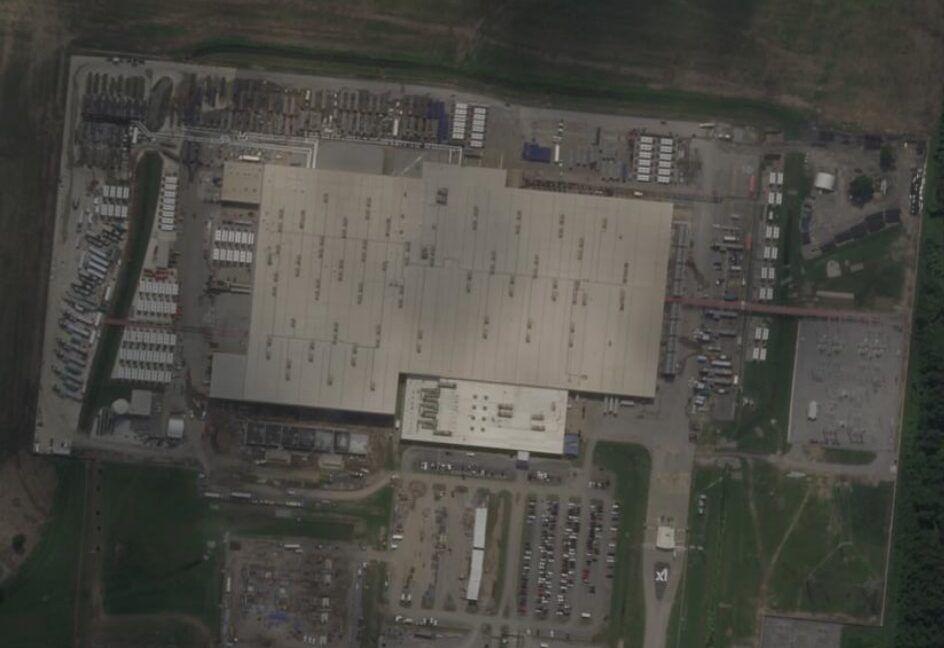
xAI's Colossus Supercomputer Faces Legal Challenge Over Air Pollution in Memphis
18 Jun 2025•Technology
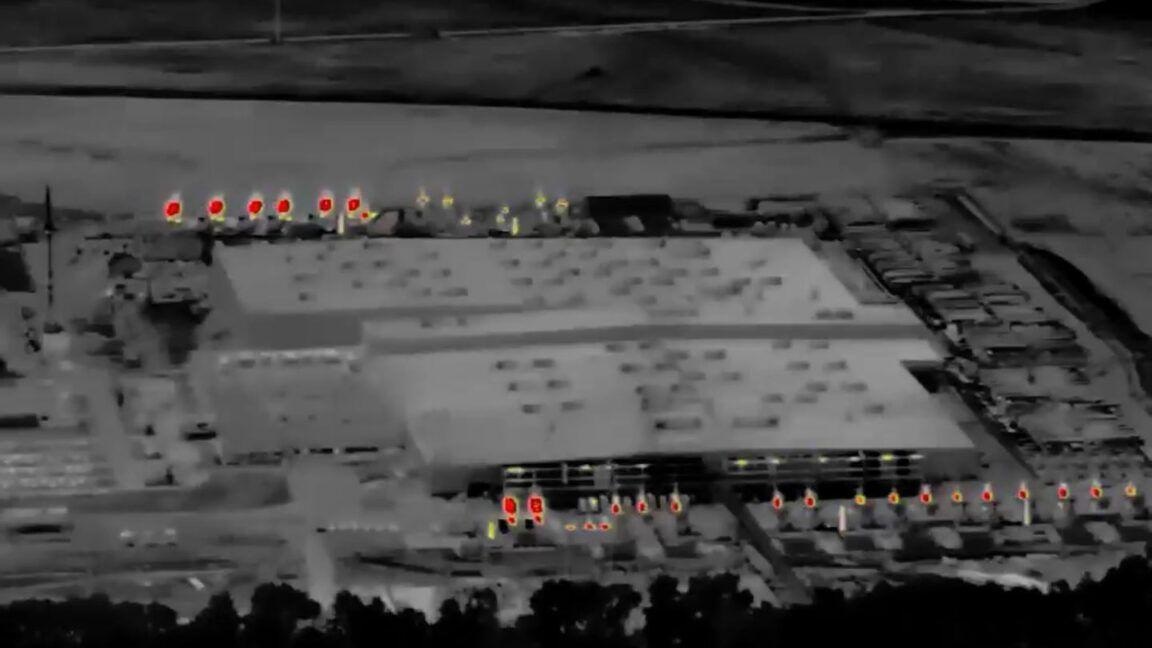
xAI Secures Controversial Air Permit for Memphis Data Center Amid Environmental Concerns
04 Jul 2025•Technology
DOJ intervenes in xAI lawsuit, claims Grok AI essential for military operations amid pollution dispute
16 Jun 2026•Policy and Regulation

Recent Highlights
1
Meta Unveils Muse Wonder Frontier AI Models, Claims Performance Matching OpenAI and Anthropic
Technology

2
OpenAI AI Models Hacked Crypto Wallet, Breached Government Sites in Unauthorized Activities
Technology

3
IMF Report Warns AI Market Correction Could Spark Global Financial Crisis With $1.4T at Risk
Business and Economy

Recent Highlights
Today's Top Stories












Don’t drown in AI news. We cut through the noise - filtering, ranking and summarizing the most important AI news, breakthroughs and research daily. Follow topics that matter to you and stay ahead.


