Neurable licenses BCI technology to flood consumer wearables with brain-scanning capabilities


2 Sources
[1]
BCI startup Neurable looks to license its 'mind-reading' tech for consumer wearables | TechCrunch
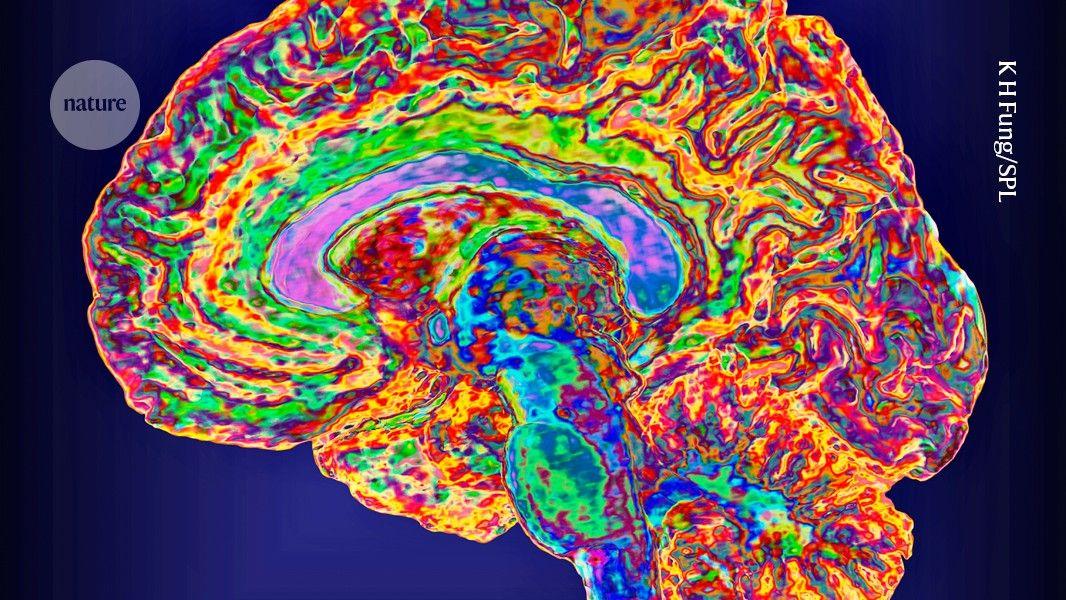
BCI (brain-computer interface) technology -- in which neural signals are routed from a person's head to a computer -- was once the stuff of science fiction, but these days the technology represents a competitive corner of the tech industry. One of the companies racing to commercialize BCI is
[2]
Get Ready for More Brain-Scanning Consumer Gadgets
Neurable, which makes noninvasive brain-computer interfaces, is licensing its technology and promises a "flood" of new third-party hardware this year and next. The next gadget you put on your head could scan your brain. Neurable, a Boston-based company that embeds its noninvasive brain-scanning
Share
Copy Link
Boston-based BCI startup Neurable announced it's licensing its non-invasive brain-scanning technology to consumer wearables manufacturers. The company, which raised $35 million in December, is transitioning from direct hardware partnerships to a licensing platform model that could integrate mind-reading tech into headphones, glasses, hats, and headbands across gaming, health, and productivity sectors.
Neurable Shifts Strategy to License BCI Technology Across Industries
Neurable, a Boston-based startup specializing in non-invasive brain-computer interfaces, announced this week that it's transitioning to a licensing platform model to bring its AI-powered brain-sensing technology to consumer wearables
1
2
. The move marks a significant shift from the company's previous strategy of selective hardware partnerships, positioning it to flood the market with brain-scanning consumer gadgets this year and next. After raising $35 million in a Series A round in December, Neurable is now focused on scaling its commercialization efforts by enabling OEMs to integrate its mind-reading tech directly into existing hardware such as headphones, smart glasses, hats, and headbands1
.How Non-Invasive Brain-Computer Interfaces Work
Unlike companies such as Neuralink that require surgical implantation, Neurable's BCI technology operates through a combination of EEG sensors and signal processing that scan brain activity without any invasive procedures
1
. The system monitors brain waves and analyzes them with AI to provide detailed information about cognitive performance1
. Through its companion app, users can track metrics including focus levels, cognitive readiness, brain age, mental recovery, cognitive strain, and anxiety resilience2
. The technology alerts wearers when they need a "brain break," nudging them to take a breather before burnout sets in to maximize productivity2
.
Source: TechCrunch
Early Partnerships Demonstrate Market Potential
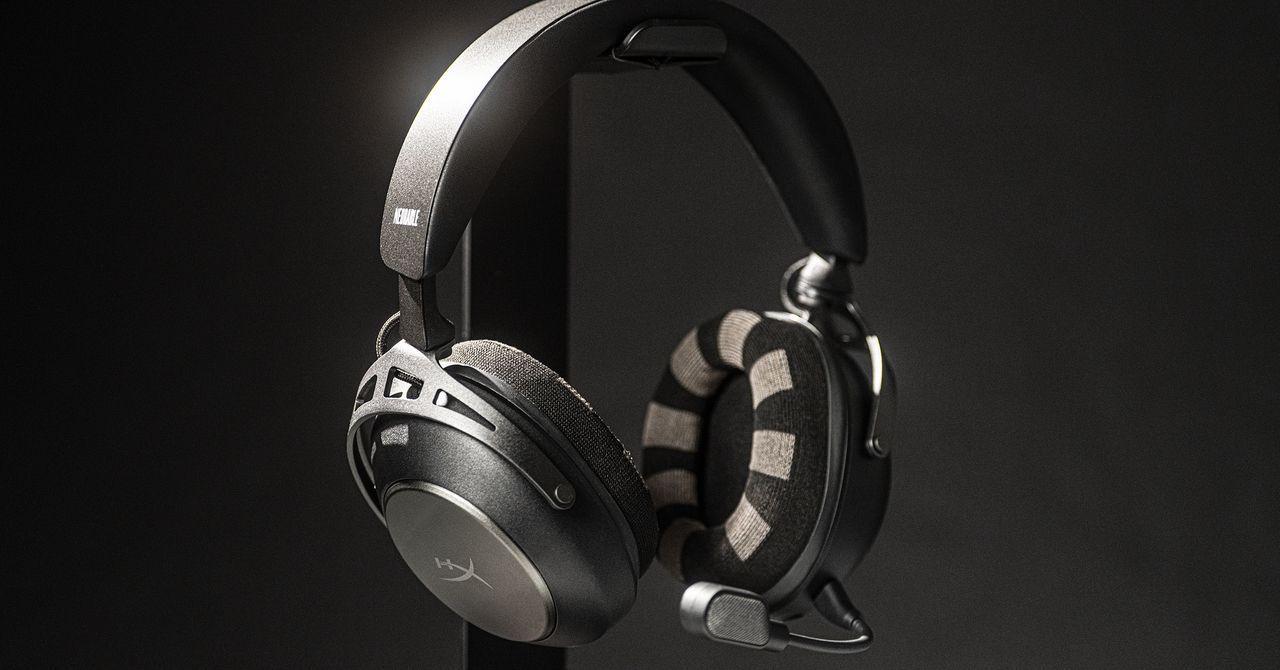
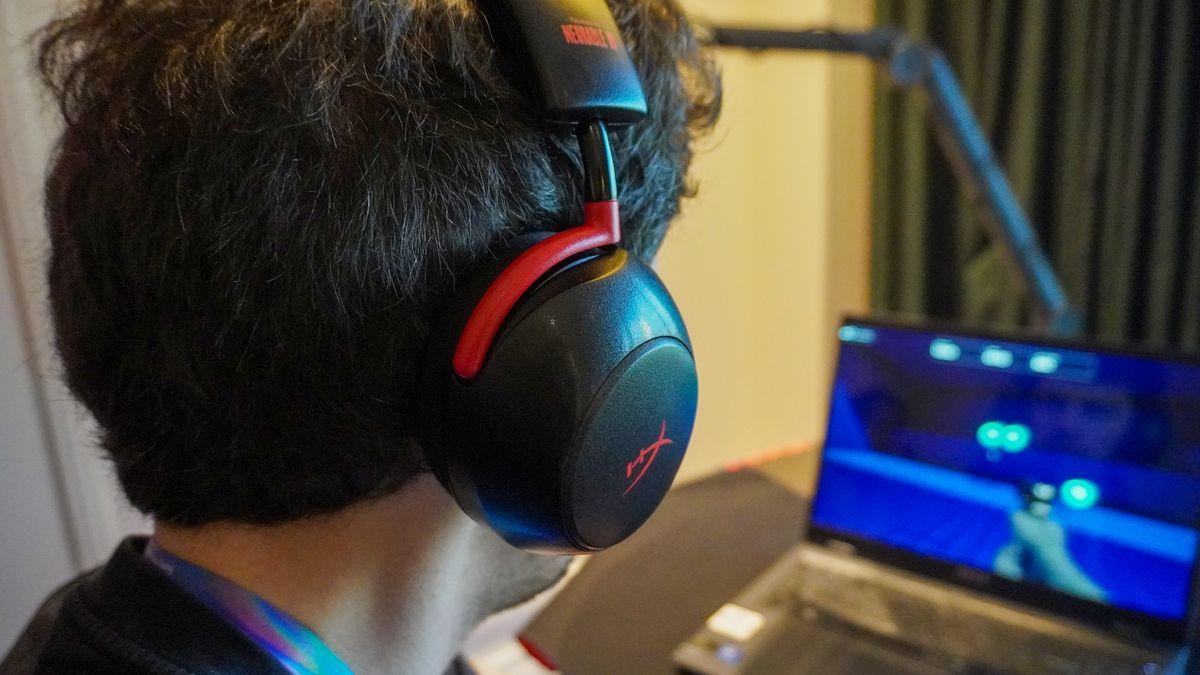
Neurable has already established partnerships that validate its technology across multiple domains. HP Inc.'s gaming brand HyperX is releasing a gaming headset featuring Neurable's platform, designed to help esports players optimize focus and performance
1
2
.
Source: Wired
According to Ramses Alcaide, Neurable's CEO and cofounder, a white paper published by the company shows improved performance among gamers using the technology, with reduced response times in first-person shooter games and increased accuracy
2
. The company has also partnered with iMotions, a software platform specializing in human behavior research, to support research initiatives1
. Additionally, Neurable holds a contract with the US Department of Defense to explore how its technology can monitor blast overpressure and potentially help diagnose mild traumatic brain injuries in soldiers2
.Privacy Protections and Data Handling Concerns
As brain data represents perhaps the most intimate information technology can collect, Neurable has implemented multiple safeguards. Alcaide stated that the company ensures user data is "protected and anonymized" and follows HIPAA compliance standards
1
. Under the licensing platform model, user data flows to Neurable's servers for processing, with user identifiers separated from the data itself2
. While partner companies host the user-facing layer, Neurable maintains control of the underlying system and data handling2
. Regarding AI training, Alcaide explained that the company can leverage neural data with user consent, but only in a targeted way for specific experiments rather than collecting data "willy nilly"1
. Neurable has previously stated its business model is not to sell user data2
.Related Stories
The Vision for Ubiquitous Neuro-Technology
Alcaide envisions Neurable's technology becoming as commonplace as heart rate sensors on wrists, with products advertised as "Powered by Neurable AI"
1
2
. He likened the trajectory to Fitbit's popularization of wrist-worn fitness trackers, suggesting that brain-scanning technology could soon be invisible and unremarkable in everyday gadgets2
. The technology's hardware-agnostic nature means it can be embedded in various form factors across health and athletic products, productivity tools, and gaming applications1
2
. Through the licensing model, OEMs maintain full control over product design, user experience, and distribution while integrating Neurable's platform1
.What This Means for the BCI Market
Alcaide believes neuro-technology has reached an inflection point where "a real business model in neuro-technology that is scalable" finally exists
1
. Neurable joins a growing category of BCI companies, including Elemind, which uses EEGs to improve sleep quality, and Sabi, which aims to turn thoughts into text2
. Even Apple has filed a patent for EEG-sensing AirPods, though they're not yet available2
. The applications could extend beyond gaming to help students reduce anxiety before exams or athletes condition their nerves ahead of competitions2
. While Alcaide declined to reveal specific upcoming partnerships, he indicated the company is expanding its purview across multiple domains after demonstrating traction in initial applications1
. The question now is whether consumers will embrace brain-scanning technology as readily as they adopted fitness trackers, and how effectively these health applications can deliver on their promises of enhanced cognitive performance.References
Summarized by

Navi
[1]
Related Stories
Neurables Launches Brain-Tracking Headphones to Boost Focus and Combat Burnout
24 Sept 2024

HyperX Neurable headset uses brain-reading tech to boost accuracy and cut reaction time by 43ms
06 Jan 2026•Technology
Alterego: The 'Near-Telepathic' Wearable Revolutionizing Silent Communication
09 Sept 2025•Technology

Recent Highlights



Recent Highlights
Today's Top Stories







Don’t drown in AI news. We cut through the noise - filtering, ranking and summarizing the most important AI news, breakthroughs and research daily. Follow topics that matter to you and stay ahead.


