Neural Texture Compression: AI-Powered Solution for VRAM Efficiency in Gaming GPUs


4 Sources
[1]
VRAM-friendly neural texture compression inches closer to reality - enthusiast shows massive compression benefits with Nvidia and Intel demos
AI texture decompression promises better image quality, lower resource usage Nvidia's Blackwell architecture touts support for a raft of AI-powered "neural rendering" features. Among the more interesting of these is neural texture compression, or NTC. As developers pursue more realistic gaming
[2]
Neural Texture Compression demo shows it can do wonders for VRAM usage
In context: Modern game engines can put severe strain on today's hardware. However, Nvidia's business decisions have left many GPUs with less VRAM than they should. Fortunately, improved texture compression in games helps make the most of what's available. Neural Texture Compression (NTC) is a new
[3]
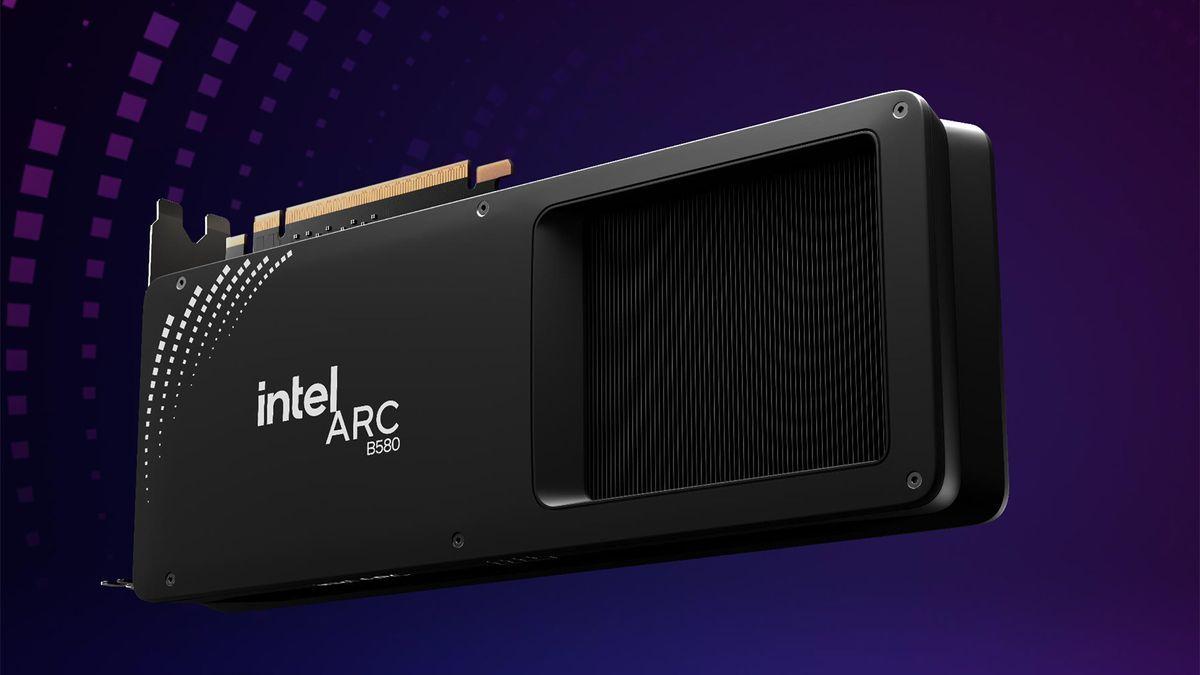
Intel has joined Nvidia with its own neural texture compression tech but it probably won't rescue your VRAM-starved 8 GB GPU any time soon
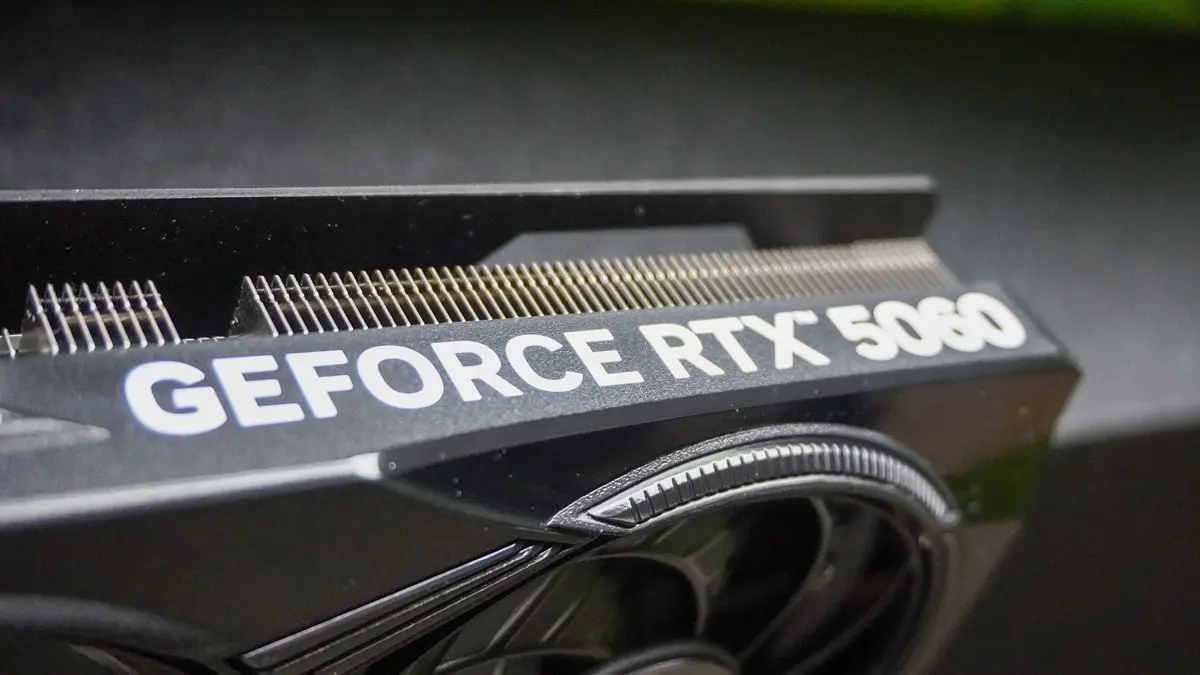
We can surely all agree it's a great pity that some otherwise decent modern GPUs are hobbled by a shortage of VRAM. I'm looking at you, Nvidia RTX 5060. So, what if there was a way to squeeze games into a much smaller memory footprint, without impacting image quality? Actually, there is, at least
[4]
AI texture decompression will breathe new life into GPUs with only 8GB of VRAM
Neural Texture Compression with DirectX 12's new Cooperative Vectors is set to be a game changer, boosting image quality and lowering the memory footprint. As an Amazon Associate, we earn from qualifying purchases. TweakTown may also earn commissions from other affiliate partners at no extra cost
Share
Copy Link
Neural Texture Compression (NTC) emerges as a promising AI-driven technology to significantly reduce VRAM usage in GPUs while maintaining or improving texture quality, potentially revolutionizing game development and graphics rendering.
The Promise of Neural Texture Compression
Neural Texture Compression (NTC) is emerging as a game-changing technology in the world of computer graphics, particularly for gaming. This AI-powered technique promises to significantly reduce the memory footprint of textures while maintaining or even improving image quality. As modern games push the limits of graphics hardware, NTC could be the key to unlocking better performance and visual fidelity, especially for GPUs with limited VRAM
1
2
.How NTC Works
NTC utilizes small neural networks optimized for each material in a scene to decompress textures. This approach differs from traditional block-based compression techniques, allowing for more efficient storage and rendering of textures. The technology transforms textures into a set of weights from which texture information can be generated on-the-fly
3
.Impressive Demonstrations
Recent demonstrations by Intel and Nvidia have showcased the potential of NTC:
- Intel's demo featuring a walking T-Rex showed visibly crisper and sharper textures compared to standard block compression methods
1
. - Nvidia's demo highlighted dramatic VRAM savings, reducing texture memory usage for a flight helmet from 272 MB uncompressed to just 11.37 MB with NTC
1
2
.

Source: Tom's Hardware
The Role of Cooperative Vectors
A crucial element enabling NTC is DirectX 12's Cooperative Vectors feature. This technology provides developers with fine-grained access to matrix acceleration engines in modern GPUs from Nvidia, Intel, and AMD
1
3
. Cooperative Vectors significantly reduce the computational cost of NTC:- In Intel's demo, it cut the average frame rendering time at 4K from 5.77ms to 0.11ms - a 98% reduction
2
. - For Nvidia's demo, rendering time decreased from 1.44ms to 0.74ms, a 49% improvement
2
.
Potential Impact on Gaming
The implementation of NTC could have far-reaching effects on game development and player experience:
- VRAM Efficiency: Games could run more smoothly on GPUs with limited VRAM, like the 8GB models that are common in mid-range cards
4
. - Enhanced Visual Quality: Developers could pack more high-quality textures into the same memory footprint, leading to richer, more detailed game worlds
1
3
. - Cross-Platform Optimization: The standardized approach of Cooperative Vectors could help developers optimize AI-driven graphics techniques across different GPU brands
2
.

Source: TechSpot
Related Stories

Challenges and Considerations
Despite its promise, NTC faces some hurdles:
- Adoption by Developers: The technology requires integration into game engines and workflows, which may take time
3
. - Performance Trade-offs: While the memory savings are significant, there is a small computational cost that needs to be balanced
1
. - Community Acceptance: Some gamers might be skeptical of AI-generated textures, potentially viewing them as "fake"
3
.
Future Outlook
As NTC matures, it could become a standard feature in game development, potentially extending the lifespan of GPUs with lower VRAM and enabling more complex graphics in future games. However, its widespread adoption will depend on how quickly game developers embrace the technology and how well it performs across a range of hardware configurations
3
4
.Neural Texture Compression represents a significant step forward in graphics technology, leveraging AI to address the growing demands of modern gaming. As the industry continues to push the boundaries of visual fidelity, technologies like NTC may prove crucial in delivering immersive experiences while managing hardware limitations.
References
Summarized by

Navi
[1]
Related Stories
Nvidia's Neural Texture Compression: A Game-Changer for VRAM Usage and Game Sizes
11 Feb 2025•Technology

Nvidia's AI Texture Compression: A Potential Game-Changer for 8GB GPUs
17 Jul 2025•Technology
Intel's Neural Texture Compression slashes VRAM use by 18x as Nvidia shows 6.5GB reduced to 970MB
06 Apr 2026•Technology
Recent Highlights
1
OpenAI AI Models Hacked Crypto Wallet, Breached Government Sites in Unauthorized Activities
Technology

2
IMF Report Warns AI Market Correction Could Spark Global Financial Crisis With $1.4T at Risk
Business and Economy

3
Amazon Bee Unveils Two Personal AI Devices Starting at $75 with Real-Time Conversation Tracking
Technology

Recent Highlights
Today's Top Stories










Don’t drown in AI news. We cut through the noise - filtering, ranking and summarizing the most important AI news, breakthroughs and research daily. Follow topics that matter to you and stay ahead.


