New Diagnostic Tool for Minimal Hepatic Encephalopathy in Cirrhosis Patients


2 Sources
[1]
Stroop-CN: A rapid diagnostic tool for minimal hepatic encephalopathy
Sichuan International Medical Exchange and Promotion AssociationJul 19 2024 This study is led by Dr. Xiaolong Qi (Center of Portal Hypertension, Department of Radiology, Zhongda Hospital, Medical School, Southeast University, Nurturing Center of Jiangsu Province for State Laboratory of AI Imaging
[2]
Detection of minimal hepatic encephalopathy in patients with cirrhosis based on the Stroop-CN model
by Sichuan International Medical Exchange and Promotion Association A paper published in MedComm presented a Chinese EncephalApp diagnosis model (Stroop-CN) based on healthy controls distributed throughout the country and covering different demographic information. The Stroop-CN model was used
Share
Copy Link
Researchers develop Stroop-CN, a rapid and effective diagnostic tool for minimal hepatic encephalopathy in cirrhosis patients. This innovative test could improve early detection and management of the condition.

Breakthrough in Diagnosing Minimal Hepatic Encephalopathy
Researchers have developed a new diagnostic tool called Stroop-CN, which promises to revolutionize the detection of minimal hepatic encephalopathy (MHE) in patients with cirrhosis. This condition, often overlooked due to its subtle symptoms, can significantly impact a patient's quality of life and ability to perform daily tasks
1
.Understanding Minimal Hepatic Encephalopathy
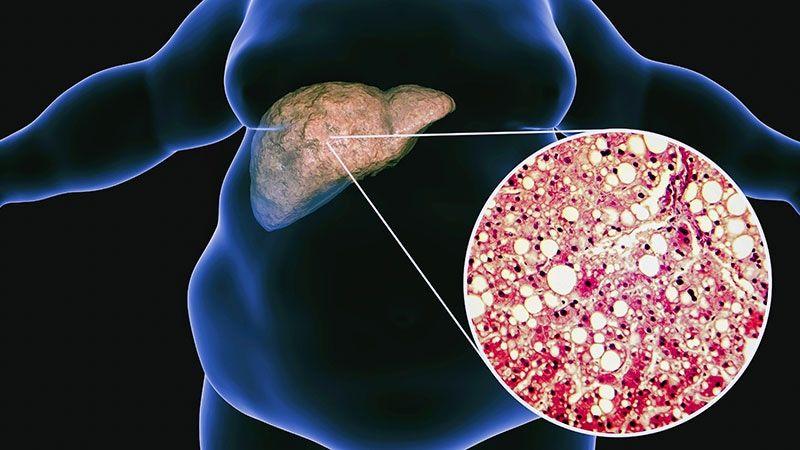
MHE is a neuropsychiatric complication that affects up to 80% of cirrhosis patients. It is characterized by mild cognitive impairment, attention deficits, and psychomotor slowing. Despite its prevalence, MHE often goes undiagnosed due to the lack of obvious clinical signs and the complexity of current diagnostic methods
2
.The Stroop-CN Test: A Game-Changer in Diagnosis
The Stroop-CN test, developed by a team led by Dr. Jasmohan S Bajaj from Virginia Commonwealth University and McGuire VA Medical Center, is a modified version of the classic Stroop test. It incorporates culturally neutral stimuli, making it applicable across different populations. The test measures cognitive flexibility and inhibitory control, key areas affected by MHE
1
.Advantages of Stroop-CN
- Rapid administration: The test can be completed in under 5 minutes.
- High accuracy: It demonstrated 81% sensitivity and 77% specificity in detecting MHE.
- Cultural neutrality: The test uses shapes and colors instead of words, making it suitable for diverse populations.
- Correlation with other measures: Stroop-CN results aligned well with established tests like EncephalApp and PHES
2
.
Related Stories


Implications for Patient Care
Early detection of MHE is crucial for improving patient outcomes. The Stroop-CN test could enable healthcare providers to identify at-risk patients more efficiently, leading to timely interventions and better management of the condition. This, in turn, could enhance the quality of life for cirrhosis patients and potentially reduce the risk of overt hepatic encephalopathy
1
.Future Prospects
The researchers suggest that the Stroop-CN test could be integrated into routine clinical practice, particularly in settings where more complex diagnostic tools are not available. Its simplicity and effectiveness make it a promising option for widespread adoption in the management of cirrhosis patients
2
.As the medical community continues to validate and refine this new diagnostic tool, it holds the potential to significantly improve the care and outcomes for patients with cirrhosis and minimal hepatic encephalopathy.
References
Summarized by

Navi
Related Stories
Recent Highlights



Recent Highlights
Today's Top Stories








Don’t drown in AI news. We cut through the noise - filtering, ranking and summarizing the most important AI news, breakthroughs and research daily. Follow topics that matter to you and stay ahead.


