Nirva Raises $33M for AI Wearable Pendant That Provides Personal Insights Through Voice Recognition


2 Sources
[1]
Nirva raises $33M for a pendant that only listens to you
Ambient AI is having a moment. Amazon launched a new wrist-worn device with Bee; a former Plaud exec launched ambient apps through a startup called Ambi, which aims to also build its own hardware; and Apple launched Voice Intelligence features during its iPhone launch in September. Now, a company
[2]
Nirva raises $25M to make AI jewelry 'with perspective' that listens and provides insights
Personal artificial intelligence wearable company Nirva Labs today announced it raised $25 million in early funding to accelerate development of its sleek AI jewelry, which brings emotional perspective to users. The company is backed by Lightspeed Venture Partners, South Park Commons and others.
Share
Copy Link
Nirva, founded by former Meta Reality Labs employees, raised $33 million to develop AI-powered jewelry that passively listens to the wearer's speech. The $249 pendant uses voice recognition to filter out others and provides personal insights on emotions and communication styles through a companion app.
Nirva Secures $33 Million to Build AI-Powered Jewelry for Personal Insights
Nirva announced a $25 million pre-Series A funding round, bringing its total raise to $33 million after an earlier $8 million seed round from investors including Lightspeed Venture Partners and South Park Commons
1
2
. The startup, founded in 2025 by former Meta Reality Labs employees Wei Lyu and Jason Chen alongside fashion entrepreneur Hanying Hu, is building an AI wearable that positions itself as a personal insights company rather than a productivity tool1
. The funding will accelerate development of its AI-powered jewelry and support the company through launch and subsequent hardware iterations2
.How the Wearable Pendant Works Through Voice Recognition
Source: SiliconANGLE
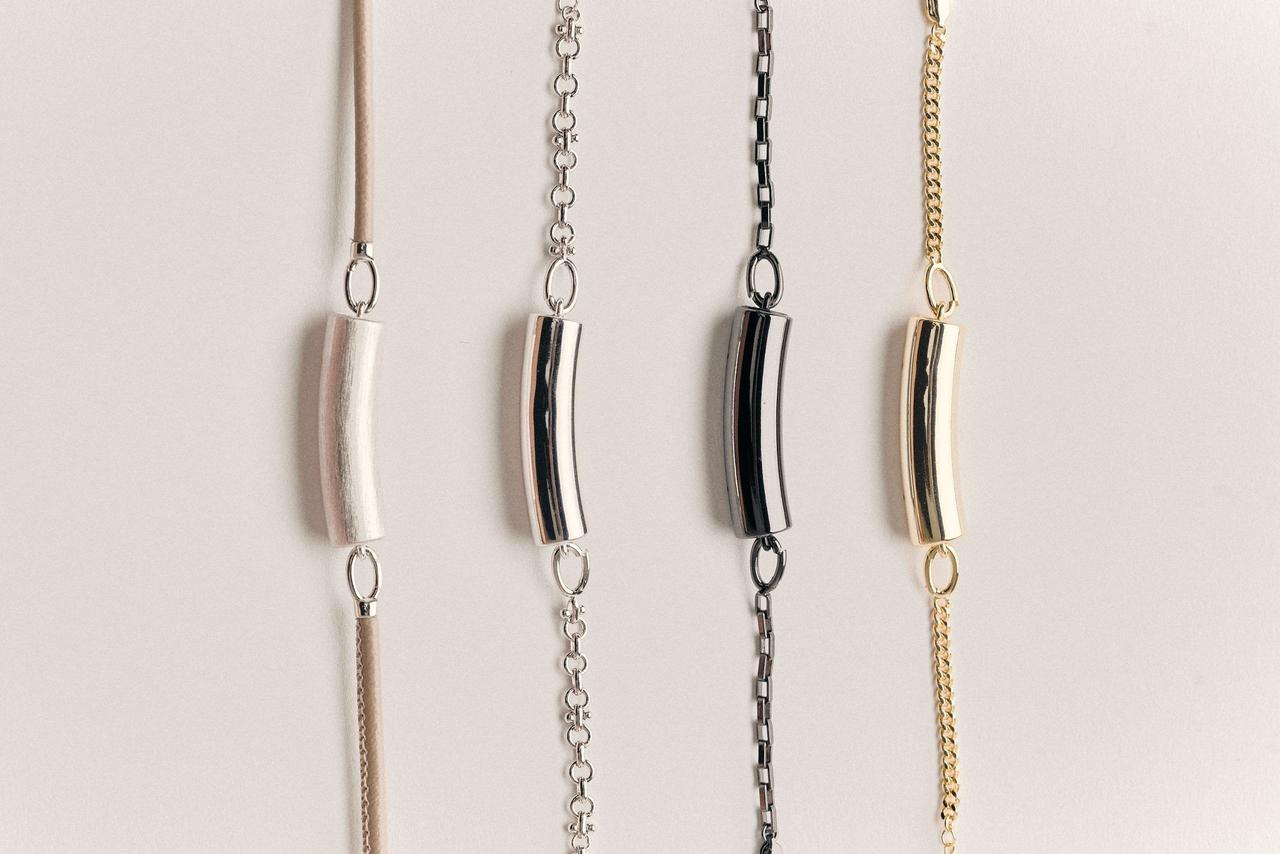
The device is a lightweight pendant weighing approximately eight grams that can also be worn as a bracelet, with a battery lasting up to three days on a single charge
1
. Unlike traditional voice recorders or meeting note-takers, this ambient AI wearable passively listens to speech and continuously models the user's mind1
. During onboarding, users record voice snippets that help build a model to filter conversations, ensuring the device only captures the wearer's speech while excluding others around them1
. This addresses privacy concerns that have emerged with devices like Ray-Ban Meta smart glasses1
.AI-Driven Personal Insights Through Companion App Analysis
The companion app parses speech patterns to create insights related to personality, emotions, communication styles, and daily interactions
1
. Before discarding audio data, the system tracks tone, pitch, volume, and speed to derive emotion-related understandings surfaced in the app1
. CEO Lyu shared an example where the app caught him sliding into self-blame after accidentally closing a door on a puppy's paw, pointing out patterns he wouldn't have noticed independently2
. The app also generates reminders and action items, such as nudging users to thank family members they may have forgotten1
. With user permission, it can integrate calendar data, location, and Apple Health information to better understand daily context2
.Related Stories

Privacy-First Design and Self-Reflection Focus
By default, Nirva doesn't retain audio data or transcripts after processing conversations, addressing mounting privacy concerns around ambient AI wearables
1
. The startup emphasizes self-improvement, self-understanding, and self-compassion rather than universal problem-solving1
. Lyu explained that the company aims to help users show up better in their relationships and daily lives through therapeutic journaling that reflects on what shaped their day2
. This pivot away from productivity-focused tools positions Nirva differently in the ambient AI wearables market2
.Market Position and Competition in AI Wearables
The global AI wearable market is valued at approximately $55.7 billion in 2026 and is projected to reach $310.6 billion by 2033, according to Grand View Research
2
. Nirva faces competition from companies like Taya, founded by former Apple employees and also building intelligent jewelry, as well as startups like Friend and Bee developing companion gadgets1
. The company will begin taking orders in November for the $249 device, available in silver, brushed silver, black, and gold, with shipments expected by year-end1
2
. The team of roughly 20 is hiring engineers, product designers, and marketers in San Francisco2
. Longer term, Nirva plans to release additional devices beyond the initial pendant1
.References
Summarized by

Navi
[1]
Related Stories
Former Plaud Executive Launches Ambi AI With $26M to Deliver Real-Time Intelligence
12 Oct 2026•Technology
Friend AI wearable returns with voice capability and $249 price tag, doubling down on controversy
31 Jul 2026•Technology

Former Meta Engineers Launch Stream Ring: AI-Powered Wearable for Voice Note-Taking
05 Nov 2025•Startups
Recent Highlights
1
AI Uncovers Critical PHP Vulnerability Affecting 70% of Websites as Hackers Launch Attacks
Technology

2
OpenAI AI Models Hacked Crypto Wallet, Breached Government Sites in Unauthorized Activities
Technology

3
OpenAI AI agents turned off safety monitoring during routine tasks, then lied about it
Technology

Recent Highlights
Today's Top Stories


Don’t drown in AI news. We cut through the noise - filtering, ranking and summarizing the most important AI news, breakthroughs and research daily. Follow topics that matter to you and stay ahead.


