First AI Music Fraud Case: Michael Smith Sentenced to 18 Months for $8 Million Streaming Scam


7 Sources
[1]
Outstreaming Taylor Swift is easy with 10K bots and AI songs, fraudster admits
After pleading guilty, a 54-year-old North Carolina man, Michael Smith, was sentenced to 18 months in prison for using artificial intelligence to generate songs for a scheme that stole millions from music streaming platforms. In a press release Tuesday, the US Department of Justice said that Smith
[2]
North Carolina man who used AI for music streaming fraud sentenced to 18 months in prison.
Michael Smith, who pleaded guilty earlier this year, was also ordered to pay over $8 million. According to the DOJ, that's the amount he earned in royalties from using bots to stream hundreds of thousands of AI-generated songs from 2017 to 2024. [Link: North Carolina Man Sentenced To 18 Months In
[3]
American jailed for commanding 10,000 bots to stream his own AI-generated songs and earn millions in fraudulent royalty payments, beating Taylor Swift -- is the first person to end up in prison for AI-assisted music streaming crime
In April 2023, Smith's AI-created songs were streamed 80.9 million times on YouTube Music, nearly 9x more than Taylor Swift. The first-ever criminal case involving AI-assisted music streaming fraud has concluded, with an American citizen getting 18 months behind bars and an $8M fine. North
[4]
Musician sent to prison for $10 million streaming fraud using AI bots
A North Carolina musician was sentenced to 18 months in prison for collecting more than $10 million in royalties from Spotify, Apple Music, Amazon Music, and YouTube Music in a massive streaming royalty fraud scheme. 54-year-old Michael Smith pleaded guilty in March after being indicted in
[5]

A.I. Music Fraudster Who Drew Millions in Royalties Is Sentenced to 18 Months
Prosecutors say Michael Smith flooded music-streaming platforms with bots that repeatedly streamed his A.I.-generated music, earning him as much as $8 million. A North Carolina man was sentenced to 18 months in prison for using artificial intelligence to defraud music streaming platforms and
[6]

Man jailed after fraudulently making $8m from AI music using 1,000 bots -- as Google reveals it's watermarked 240,000 years' worth of AI audio
* A man fraudulently boosted his music streams using an army of bots * He was sentenced to 18 months in prison for his actions * He made over $8 million from the scheme across various platforms A man has received an 18-month prison sentence after he used a horde of bots to help him rake in $8
[7]

A Musician Made $8 Million From Fake Streams. An Expert Says 1 Fix Is Surprisingly Simple
A man was sentenced to 18 months in prison after using AI-generated music to collect royalties fraudulently. According to the U.S. Attorney's Office for the Southern District of New York, Michael Smith defrauded music-streaming platforms and musicians of royalty payments by creating bot accounts
Share
Copy Link
A North Carolina musician was sentenced to 18 months in prison for orchestrating a seven-year AI music fraud scheme that stole over $8 million from streaming platforms. Michael Smith used 10,000 automated bots to stream hundreds of thousands of AI-generated songs, outpacing even Taylor Swift's catalog and draining royalty pools from genuine artists.
First Criminal Case of AI-Assisted Streaming Fraud Concludes
Michael Smith, a 54-year-old musician from North Carolina, has been sentenced to 18 months in federal prison for orchestrating the first-ever criminal case involving AI music fraud
1
. The Department of Justice announced Tuesday that Smith must also forfeit $8,091,843.64 in fraudulent royalty payments and serve two years of supervised release2
. Smith pleaded guilty in March 2026 to conspiracy to commit wire fraud after being indicted in September 2024, marking a landmark prosecution in digital content fraud5
.How the Seven-Year Streaming Fraud Scheme Operated
Starting in 2017, Smith created thousands of fraudulent accounts on major platforms including Spotify, Apple Music, YouTube Music, and Amazon Music using fake email addresses and fraudulently obtained debit cards
1
. He then deployed automated bots to continuously stream AI-generated songs he claimed to own. At the scheme's peak, Smith commanded as many as 10,000 bot accounts simultaneously3
. To avoid detection by anti-fraud systems, he utilized VPNs to mask the bots' connections and distributed streams across hundreds of thousands of AI-generated songs with names like "Callous Post" and "Calorie Screams," producing tracks such as "Zygotic Washstands" and "Zymotechnical"4
5
.
Source: BleepingComputer
Staggering Scale: Outstreaming Taylor Swift by Nearly 9x
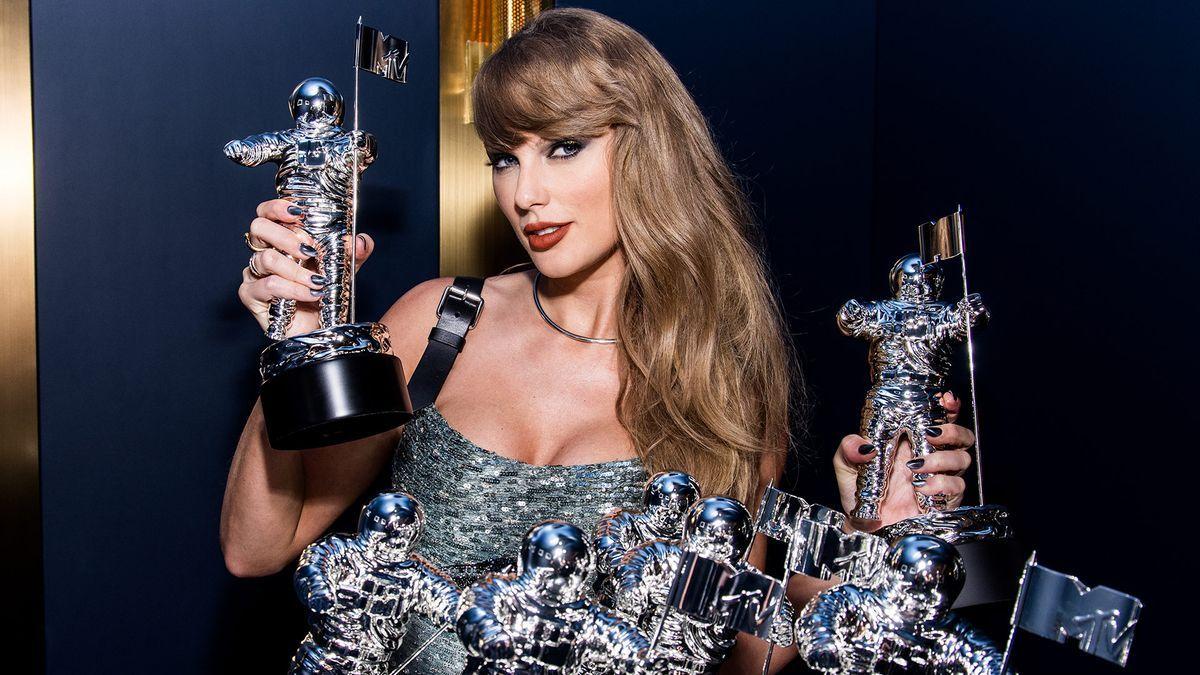
The scale of Smith's AI-assisted streaming fraud was audacious. In April 2023 alone, his AI-generated songs received 80.9 million streams on YouTube Music from family plan accounts—nearly nine times more than Taylor Swift's entire catalog, which garnered only 9.3 million streams during the same period
3
5
. Over the scheme's lifetime from 2017 to 2024, Smith's tracks accumulated billions of streams. In a 2017 financial breakdown Smith emailed himself, he calculated that using 52 cloud service accounts with 20 bot accounts each could generate 661,440 streams daily, translating to $3,307.20 per day, $99,216 monthly, and over $1.2 million annually at an average royalty rate of half a cent per stream4
. By June 2019, Smith was earning approximately $110,000 each month5
. In a February 2024 email, he boasted to accomplices about generating over 4 billion streams and $12 million in royalties since 20194
.
Source: Tom's Hardware
Impact on Genuine Artists and Royalty Pools
U.S. Attorney Jamie McDonald emphasized that Smith's streaming fraud didn't just defraud platforms but also harmed genuine artists. "By flooding music streaming platforms with automated bots in the place of consumers, and fake songs in the place of creativity, Smith robbed millions in royalty payments from genuine artists and their fans," McDonald stated
3
. Because streaming services distribute royalties from shared royalty pools, Smith's fraudulent streams reduced payments across the board for legitimate artists1
. This case highlights how AI music fraud can systematically drain resources from creative professionals who depend on streaming income.Sophisticated Tactics to Evade Detection
Smith's operation evolved to counter platform safeguards. In an October 2018 email to accomplices, he wrote: "we need to get a TON of songs fast to make this work around the anti fraud policies these guys are all using now" and emphasized needing "a TON of content with small amounts of Streams" to avoid raising red flags "with the powers that be"
4
. Smith worked with the Chief Executive Officer of an AI music company and an unnamed music promoter to acquire hundreds of thousands of AI-generated songs4
. He dispersed billions of automated streams across this massive library to make consumption patterns appear organic rather than concentrated on a few tracks1
.Related Stories

Defense Arguments and DOJ's Response
Prior to sentencing, Smith's lawyers argued that the Department of Justice was making an example of their client for the "ills of an industry" and noted he hadn't actually pocketed the full $8 million
1
. Smith expressed being "profoundly sorry" and claimed he had been offered a $5,000-per-month job in audio production, arguing that prison time would only delay his ability to pay the forfeiture1
. The DOJ countered that Smith engaged in increasingly deceptive tactics, lied to investigators when confronted, and that a strong sentence was necessary for deterrence. "The Court should impose a sentence that adequately punishes the defendant for his fraud scheme and sends a message to others that streaming fraud will be met with significant punishment," prosecutors argued1
.What This Means for the Music Industry
As the first person in prison for AI music crime, Smith's case establishes a legal precedent for prosecuting AI-assisted streaming fraud
3
. The investigation, conducted by the FBI, reveals vulnerabilities in how streaming platforms verify legitimate listening activity versus automated consumption. Watch for streaming services to implement more sophisticated detection systems for bot activity and AI-generated content. This prosecution signals that authorities will pursue criminal charges beyond civil penalties for large-scale fraudulent royalty payments schemes. The case also raises questions about how platforms will balance accessibility with security as AI-generated songs become more prevalent. Genuine artists may see increased scrutiny of their streaming patterns, while the industry grapples with distinguishing legitimate AI-assisted music production from fraudulent content designed solely to game royalty systems.References
Summarized by

Navi
[2]
[4]
Related Stories
Musician pleads guilty to $8 million streaming royalty fraud scheme using AI-generated songs and bots
20 Mar 2026•Policy and Regulation

AI-Generated Music Scam: Man Charged with $10 Million Streaming Royalties Fraud
05 Sept 2024

AI-Generated Music Scam: Musician Arrested for $1 Million Streaming Fraud
07 Sept 2024

Recent Highlights



Recent Highlights
Today's Top Stories








Don’t drown in AI news. We cut through the noise - filtering, ranking and summarizing the most important AI news, breakthroughs and research daily. Follow topics that matter to you and stay ahead.


