Nvidia-Backed Firmus Shelves $5 Billion IPO as Maas Group Stock Plummets 31% in Worst Week on Record


2 Sources
[1]
Australia's Maas enters trading halt after Nvidia-backed Firmus shelves $5 billion IPO plan
Oct 9 (Reuters) - Shares of Australia's Maas Group (MGH.AX), opens new tab entered a trading halt on Friday pending an announcement related to Nvidia (NVDA.O), opens new tab-backed data centre operator Firmus, which has shelved its $5 billion listing plan, citing market volatility and
[2]
Firmus investor Maas falls after AI data-centre operator pulls blockbuster IPO plan
Oct 9 (Reuters) - Shares of Australian construction services provider Maas Group fell nearly 11% on Friday after Nvidia-backed Firmus withdrew its $5 billion IPO, raising concerns over the value of Maas's 3.2% stake in the data-centre operator. The stock fell as much as 10.7% to a five-month low
Share
Copy Link
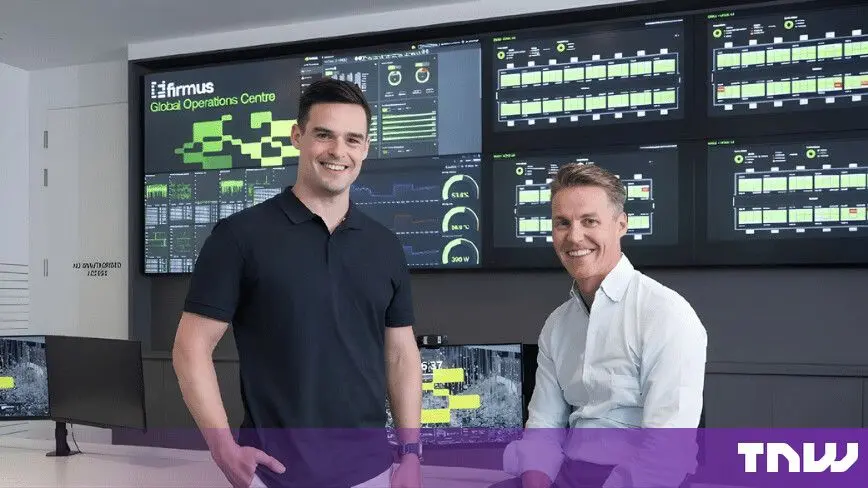
Nvidia-backed AI data-centre operator Firmus withdrew its highly anticipated $5 billion IPO, citing market volatility and unfavorable conditions. The decision triggered a massive selloff in Maas Group shares, which plunged 31% this week—its worst performance on record. Firmus, which counts OpenAI as its anchor customer, will now pursue private fundraising instead.
Firmus Shelves $5 Billion IPO Plan Amid Market Volatility
Nvidia-backed Firmus has withdrawn its highly anticipated $5 billion IPO, citing market volatility and conditions that would not fairly reflect the AI data-centre operator's business strength and long-term growth prospects
1
. The proposed listing would have been Australia's second-largest IPO on record, but the company opted for private fundraising instead, signaling a significant shift in strategy for the modular AI factories operator2
. Firmus, which designs and operates AI infrastructure using proprietary energy and cooling technology, had planned to price shares at A$11 each, valuing the company's equity at approximately A$30.6 billion—nearly triple its A$10.5 billion valuation from an August funding round2
. The company counts OpenAI as its anchor customer, positioning itself at the intersection of AI infrastructure and next-generation computing demands.Maas Group Stock Plummets Following IPO Withdrawal
Shares of construction services provider Maas Group entered a trading halt on Friday pending a material announcement regarding Firmus and its contractual arrangements with the AI data-centre operator
1
. When trading resumed, Maas falls after IPO plan pulled became reality as the stock dropped nearly 11% to a five-month low of A$4.432
. The stock plummet followed an even steeper 22.4% decline on Thursday after reports emerged that Firmus was reconsidering the terms of its planned listing2
. Overall, Maas Group has fallen more than 31% this week, marking its worst week on record and erasing approximately A$517 million from its market value1
2
. The selloff has left the stock down more than 30% from the record high it reached earlier this month.Investor Concerns Over Valuation and Expansion Plans
The withdrawn Firmus IPO drew lukewarm investor demand despite the artificial intelligence boom fueling global equity markets, highlighting investor caution toward AI-linked listings
1
. While the deal's term sheet indicated that indicative orders were already sufficient to cover the offering size, prospective investors expressed concerns about the company's rapidly rising valuation, its ability to deliver on ambitious expansion plans, and its hefty debt pile1
. This investor skepticism underscores a broader trend where market participants remain selective toward highly valued AI infrastructure firms with aggressive growth targets and significant funding requirements2
. The collapse of this blockbuster listing suggests that even Nvidia backing and an OpenAI partnership may not be enough to overcome valuation concerns in current market conditions.Related Stories
Maas Group's Stake and Contractual Obligations Remain Intact
Maas Group holds a 3.2% stake in Firmus after pledging an additional A$300 million ($208.74 million) in early August through ordinary and preference shares priced at A$230 apiece
1
. Beyond its investment position, Maas serves as a supplier to Firmus through its JLE Group electrical infrastructure unit2
. The company confirmed that JLE continues to deliver modular Power Cubes and related electrical scope for Firmus AI factory projects, with work orders worth approximately A$1.1 billion ($767.91 million) across fiscal 2026 and 20272
. Maas has received A$373 million in payments under these contracts and expects the work to be completed by the end of 20272
. Despite the IPO withdrawal, these contractual arrangements remain in place, providing some revenue certainty for the construction services provider.What This Means for AI Infrastructure Investment
Firmus's decision to pursue private fundraising and explore alternative public and private capital-raising options rather than proceed with its IPO reveals the challenging dynamics facing AI infrastructure companies seeking public market validation
2
. The AI data-centre operator pulls IPO development signals that investors are demanding more than just association with industry leaders like Nvidia and OpenAI—they want proven business models, realistic valuations, and clear paths to profitability. For companies building the physical infrastructure powering AI's growth, this suggests a more measured approach to public markets may be necessary. Watch for how Firmus structures its private fundraising round and whether other AI infrastructure companies adjust their IPO timelines in response to this high-profile withdrawal.References
Summarized by

Navi
[1]
Related Stories
Nvidia-Backed Firmus Scraps Historic $5 Billion AI Data Center IPO Amid Valuation Concerns
08 Oct 2026•Business and Economy
Nvidia-backed Firmus hits $5.5B valuation with $505M raise, eyes $2B ASX IPO in June
06 Apr 2026•Startups

Firmus Technologies partners with Nvidia to democratize AI computing power for startups
28 Jun 2026•Technology
Recent Highlights



Recent Highlights
Today's Top Stories








Don’t drown in AI news. We cut through the noise - filtering, ranking and summarizing the most important AI news, breakthroughs and research daily. Follow topics that matter to you and stay ahead.


