Nvidia CEO Jensen Huang Advocates for Physical Sciences in the Age of AI


4 Sources
[1]
The CEO of the World's Most Valuable Company Says This Would Be His College Major in 2025
Nvidia's 61-year-old CEO answered this question during a trip to Beijing on Wednesday, as reported by CNBC. Huang, who graduated from college two years early at the age of 20 and is now the CEO of the most valuable company in the world, said that the "20-year-old Jensen" would have "probably chosen
[2]
Jensen Huang would have ditched 'coding' for 'physics': Nvidia CEO urges mastering the real world for the next AI wave
As AI moves from perception to reasoning and into the physical world, Nvidia's Jensen Huang says the next-gen innovators must grasp physics, not just programming. Advising 2025 graduates, he champions the "physical sciences" to prepare for a robotics-driven future. His message echoes other tech
[3]
Nvidia CEO Jensen Huang Says He'd Ditch Software For Physical Sciences If He Were 20 Today - NVIDIA (NASDAQ:NVDA)
Nvidia Corp. NVDA CEO Jensen Huang has expressed his preference for the physical sciences over software if he were a student today. What Happened: On Wednesday, during his visit to Beijing, Huang was asked about his educational focus if he were a 20-year-old student today. He responded by saying
[4]
NVIDIA CEO Jensen Huang Says He'd Ditch CS Over Physical Sciences If He Were 20; Getting a Head Start on the "Physical AI" Hype Train
Well, for all those looking to enter higher education, the NVIDIA CEO has great advice, as he himself would study "physical sciences" if he were in a similar place. When Jensen talks, the world listens, and it's safe to say that we know where the "AI bandwagon" will go next. In many of his past
Share
Copy Link
Jensen Huang, CEO of Nvidia, suggests that if he were a young graduate today, he would focus on physical sciences rather than software sciences, highlighting the importance of understanding the physical world for the next wave of AI development.
Nvidia CEO's Surprising Educational Advice
Jensen Huang, the 61-year-old CEO of Nvidia, the world's most valuable company, has offered unexpected advice to future graduates. During a recent trip to Beijing, Huang stated that if he were a 20-year-old graduate in 2025, he would focus on physical sciences rather than software sciences
1
.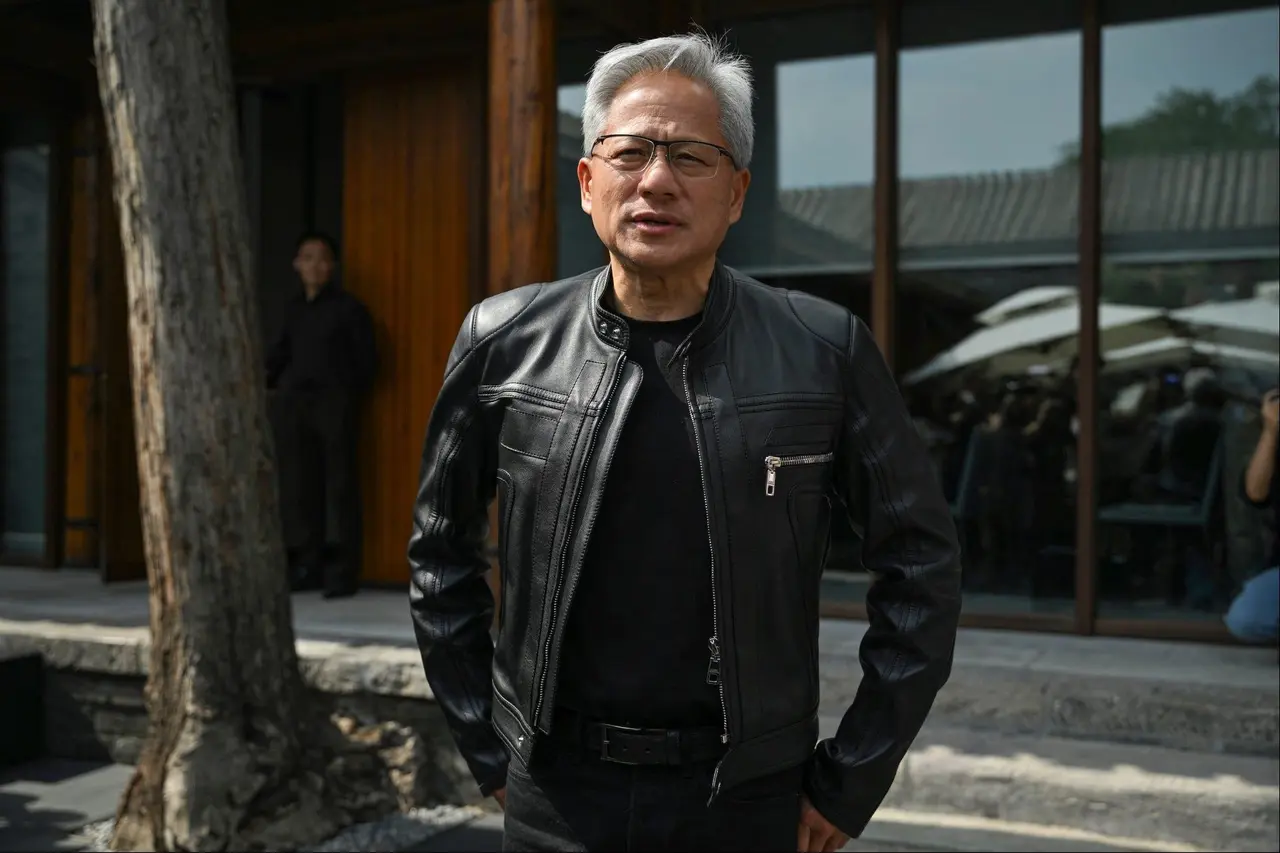
Source: Entrepreneur
The Shift from Software to Physical Sciences
Huang's recommendation marks a significant shift from the traditional focus on software development in the tech industry. He emphasizes the importance of understanding non-living systems, including physics, chemistry, and earth science
2
. This advice comes despite Huang's own background in electrical engineering and his company's prominent role in AI and software development.The Rise of "Physical AI"
The rationale behind Huang's advice lies in his vision for the future of AI. He believes that the next wave of AI development, which he terms "Physical AI," will require a deep understanding of the physical world
2
. This new phase of AI will involve machines interacting with the real world, necessitating knowledge of physics, friction, inertia, and cause-and-effect relationships.AI's Evolution: From Perception to Physical Interaction
Huang outlines the evolution of AI from "Perception AI" to "Generative AI," and now moving towards "Reasoning AI" and "Physical AI"
2
. This progression requires AI systems to develop abilities such as object permanence, force prediction, and situational awareness – skills rooted in physical sciences.Industry Alignment on Foundational Sciences
Huang's perspective aligns with other tech leaders who are advocating for a return to foundational sciences. Telegram CEO Pavel Durov has advised students to master mathematics, while Elon Musk recommends focusing on physics with math
2
. This trend suggests a growing recognition of the importance of hard sciences in driving future technological innovations.Related Stories

Implications for the Future Workforce
The shift towards physical sciences could have significant implications for the future job market. Huang has previously warned about potential job losses due to AI adoption and stressed the importance of generating new ideas to maintain employment
3
. His current advice suggests that expertise in physical sciences may become increasingly valuable in the AI-driven economy.Nvidia's Focus on Physical AI
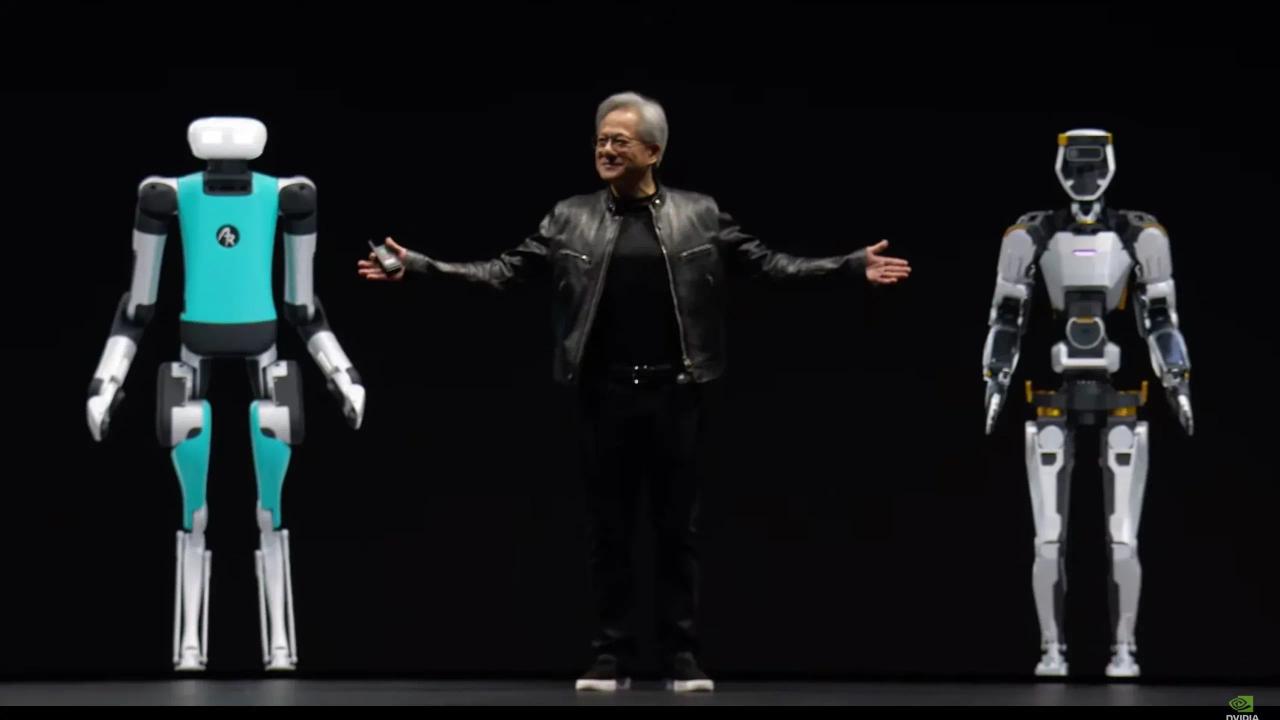
Source: Wccftech
Nvidia is already developing products and services that enable the integration of AI with the physical world. Projects like Omniverse and Cosmos are aimed at facilitating the use of humanoid robots in human-focused workplaces
4
. This focus on Physical AI aligns with Huang's vision of addressing global labor shortages through highly robotic plants and factories.The Future of Education and Innovation
Huang's advice represents a potential paradigm shift in how we approach education and innovation in the tech industry. As AI continues to evolve and integrate with the physical world, a strong foundation in physical sciences may become crucial for the next generation of innovators and problem-solvers.
References
Summarized by

Navi
[1]
Related Stories
Nvidia CEO Jensen Huang Advocates for AI Proficiency in Education and Career Development
18 May 2025•Technology
Nvidia CEO Jensen Huang Envisions Robotics as Next Multi-Trillion Dollar Opportunity
26 Jun 2025•Technology
Nvidia Bets Big: $99B in Equity Investments Drive 70% Revenue Growth Forecast Amid Debate
07 Sept 2026•Business and Economy

Recent Highlights



Recent Highlights
Today's Top Stories



Don’t drown in AI news. We cut through the noise - filtering, ranking and summarizing the most important AI news, breakthroughs and research daily. Follow topics that matter to you and stay ahead.


