Nvidia CEO Jensen Huang Announces $2B European AI Investment Blitz Across Paris, London, Berlin


2 Sources
[1]
Nvidia plans $2B in European AI deals in the next week
Huang told a Paris audience Europe needs to get in the race, and offered open models as the way Jensen Huang says Nvidia will announce $2B of European investments within a week, on top of $8B over the past year, and named four French startups in Paris. Nvidia committed more than $40B to AI equity
[2]
Nvidia Jensen Huang plans $2B in European AI investments
Huang announced the planned deals while speaking in Paris, the first stop on a tour that will also take him to London and Berlin Nvidia $NVDA Corp. CEO Jensen Huang announced Tuesday that the chipmaker expects to unveil $2 billion worth of European AI deals in the next week, a sum that comes on
Share
Copy Link
Nvidia CEO Jensen Huang announced $2 billion in European AI investments coming within a week, adding to $8 billion deployed over the past year. Speaking in Paris, he backed four French AI startups—Doctolib, Genesis AI, Pigment, and Entalpic—while positioning open-source models as Europe's path to technological sovereignty and competitive independence.
Nvidia Commits $2B to European AI in Week-Long Investment Tour
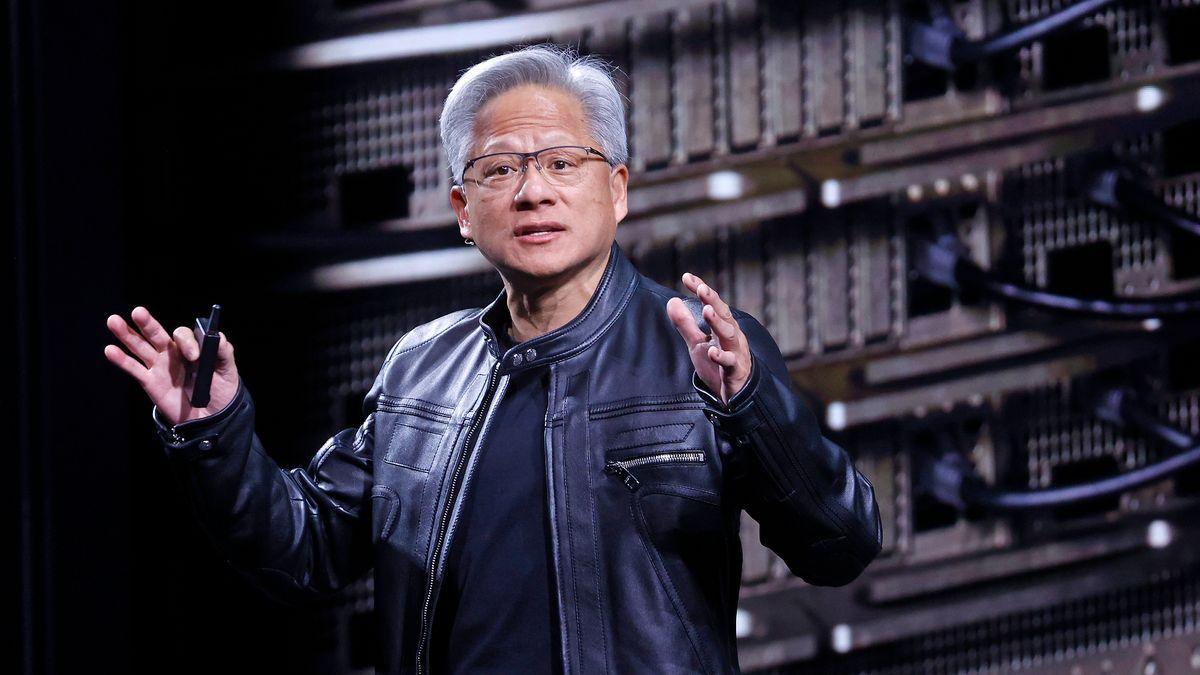
Nvidia CEO Jensen Huang announced plans to unveil $2 billion in European AI investments within the next week during a Paris event, marking the first stop on a tour that includes London and Berlin
1
2
. This commitment adds to the $8 billion Nvidia has already deployed across the continent over the past year1
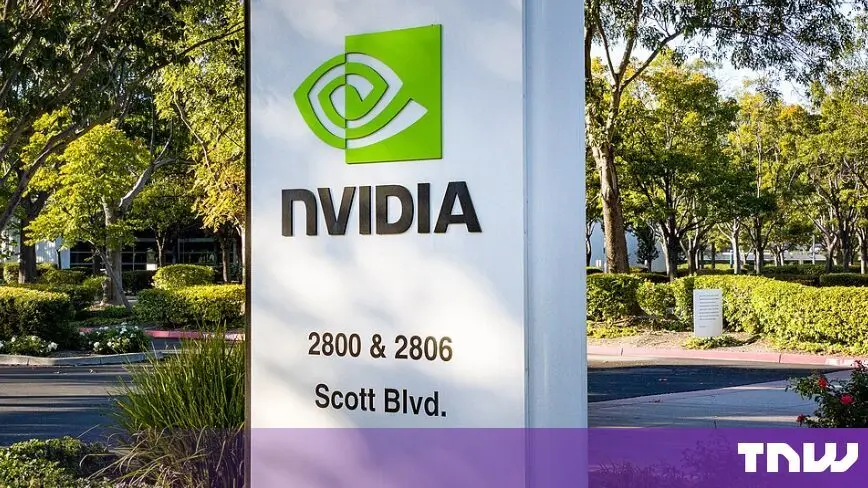
. The announcement comes as Nvidia's valuation reached approximately $5.7 trillion this month, dwarfing Europe's most valuable listed company, ASML, which stood near $700 billion in July1
.
Source: The Next Web
At the Paris event, Jensen Huang declared that "Europe needs to get in the race" and announced funding for four French AI startups: Doctolib, Genesis AI, Pigment, and Entalpic
1
2
. Doctolib, which launched in 2013, provides administrative tools to healthcare professionals and has become widely used for scheduling medical visits2
. Genesis AI focuses on AI for robots, Pigment develops AI-powered business software, and Entalpic applies AI to chemistry and materials research2
.Open-Source AI Models Positioned as Europe's Sovereignty Strategy
The Nvidia CEO Jensen Huang pitched open-source AI models as Europe's most viable path to closing the technological gap with United States-based AI developers. "Open models are important as they can be customized for languages and for your own sovereignty," Huang said, emphasizing that these models cost less to run while offering greater adaptability
1
2
. Nvidia partners with French AI startup Mistral AI, which designs open-weight AI models and trained its latest Large 4 model on 4,000 Grace Blackwell GPUs in European data centers1
2
.Huang is not alone in this pitch. Alibaba's chairman told a Turin audience six days earlier that open source is the only way for Europe to achieve true independence
1
. However, critics note that while open weights lower the cost of the model, the AI hardware bill remains substantial—and stays with Nvidia1
.Nvidia's Massive Global AI Investment Footprint
The $2 billion European AI investments announcement appears modest against Nvidia's broader investment strategy. The company committed more than $40 billion to AI equity in the first four months of this year alone
1
. Nvidia's equity holdings in companies that purchase its chips reached $99 billion by July, up dramatically from approximately $7 billion a year earlier1
. This means Nvidia essentially owns much of its own demand.To put European AI startups in perspective, Nvidia was reported in September to be considering up to $10 billion as an anchor investor in Anthropic's flotation—more than Mistral's entire €3 billion round at a valuation above €21 billion, the largest any European tech company has raised
1
.Related Stories

Mixed Signals for European AI Startups
Not all European AI startups are experiencing upward trajectories. One of the four French AI startups receiving Nvidia backing has already seen its valuation decline. A secondary share sale in April valued Doctolib at €3.6 billion (approximately $4.2 billion), representing a 38% discount from the €5.8 billion valuation it carried after its 2022 funding round
1
2
.Growing Scrutiny Around AI Development in Europe
Jensen Huang's Paris appearance occurs amid increasing public skepticism toward AI across Europe, with critics highlighting risks posed by autonomous AI agents alongside the substantial energy demands of data center infrastructure
2
. Huang has resisted pressure to decelerate AI development, arguing that the technology will strengthen economies and that its advancement can be managed responsibly2
. European calls to slow AI development continue to grow as Huang arrives for his tour1
.The timing of these announcements is likely strategic. Nvidia's GTC conference runs in Berlin from October 20-22, falling within the week Huang described for unveiling the investments
1
. Last month, Huang forecast that Nvidia will sell twice as many chips next year as it does this year, citing AI investment across industries and countries as the driver of continued demand2
. Nvidia had already projected revenue growth of 70% in its next fiscal year, with the possibility of revenue doubling if supply could meet demand2
.References
Summarized by

Navi
[1]
Related Stories
NVIDIA Spearheads Europe's AI Revolution with Sovereign Infrastructure and Partnerships
11 Jun 2025•Technology
Nvidia's 'Sovereign AI' Push Gains Traction in Europe Amid Infrastructure Expansion
11 Jun 2025•Technology

Nvidia's £2 Billion Investment Boosts UK's AI Ecosystem, Partners with Crypto Mining Spinoff Nscale
17 Sept 2025•Technology

Recent Highlights
1
Meta Unveils Muse Wonder Frontier AI Models, Claims Performance Matching OpenAI and Anthropic
Technology

2
Microsoft and Nvidia Launch Surface Laptop Ultra: A $2,599 AI-Ready PC With RTX Spark Chip
Technology

3
Meta Muse AI Agent Surges to 6.6M Downloads Despite Privacy and Security Controversies
Technology

Recent Highlights
Today's Top Stories







Don’t drown in AI news. We cut through the noise - filtering, ranking and summarizing the most important AI news, breakthroughs and research daily. Follow topics that matter to you and stay ahead.


