Nvidia Rejects Backdoors and Kill Switches in AI Chips Amid US-China Tensions


22 Sources
[1]
Nvidia warns of "disaster" if it has to put kill switch and backdoor in chips
Nvidia said there are no backdoors or kill switches in its chips, denying an accusation from the Chinese government. The company also urged policymakers to reject proposals for backdoors and kill switches. "There are no back doors in NVIDIA chips. No kill switches. No spyware. That's not how
[2]
Nvidia rejects US demand for backdoors in AI chips
Nvidia's chief security officer has published a blog post insisting that its GPUs "do not and should not have kill switches and backdoors." It comes amid pressure from both sides of the Pacific, with some US lawmakers pushing Nvidia to grant the government backdoors to AI chips, while Chinese
[3]
Nvidia defiant over backdoors and kill switches in GPUs as U.S. mulls tracking requirements -- calls them 'permanent flaws' that are 'a gift to hackers'
Nvidia has firmly denied speculation about hidden control mechanisms in its GPUs, reiterating that its products contain no kill switches, no backdoors, and no spyware. The company also urged U.S. policymakers to abandon proposals for hardware-level tracking or disabling features, calling them a
[4]
Nvidia reiterates its chips have no backdoors, urges US against location verification
BEIJING, Aug 6 (Reuters) - Nvidia (NVDA.O), opens new tab has published a blog post reiterating that its chips did not have backdoors or kill switches and appealed to U.S. policymakers to forgo such ideas saying it would be a "gift" to hackers and hostile actors. The blog post, which was published
[5]

Nvidia says its AI chips don't have a 'kill switch' after Chinese accusation
Nvidia CEO Jensen Huang speaks to the media at a hotel in Beijing, China July 16, 2025. Nvidia on Tuesday rejected Chinese accusations that its data center GPUs for artificial intelligence include a hardware function that could remotely deactivate the chips, which is commonly called a "kill
[6]

No Backdoors. No Kill Switches. No Spyware.
NVIDIA GPUs are at the heart of modern computing. They're used across industries -- from healthcare and finance to scientific research, autonomous systems and AI infrastructure. NVIDIA GPUs are embedded into CT scanners and MRI machines, DNA sequencers, air-traffic radar tracking systems, city
[7]

Nvidia denies 'backdoor' claim after China raises security risk
Chinese authorities have summoned U.S. chip giant Nvidia Corp. over alleged security vulnerabilities in its H20 processor, a move that could complicate the company's efforts to re-enter the Chinese market just as Washington and Beijing struggle to make progress on a renewed trade truce. The
[8]

Nvidia, under pressure from U.S. and China, says its chips have no 'back doors'
Some Nvidia chips will be exported to China again after President Donald Trump partially lifted a ban on such exports last month. (Hannibal Hanschke/EPA/Shutterstock) Nvidia declared its highly sought-after AI chips don't have "back doors" or "kill switches" and that it opposes such remote control
[9]

Nvidia says its chips don't have backdoors, wants to keep it that way
In response to tensions and pointed questions from leaders in the US and China, Nvidia says it's essential to keep backdoors out of its extremely lucrative GPUs. Nvidia is sitting on an absolutely mind-boggling amount of money... like, enough to make Solomon and Midas and Croesus go, "Wow, that's
[10]

Nvidia's Jensen Huang hauled before China's cyber cops to explain 'backdoor safety risks' in H20 chips
China's cyberspace regulators on Thursday summoned Nvidia over security concerns that its H20 chips can be tracked and turned off remotely, the Cyberspace Administration of China said on its website. In the meeting, Chinese regulators demanded that the U.S. chip company provide explanations on
[11]

Nvidia says no 'backdoors' in chips as China questions security
Nvidia chips do not contain "backdoors" allowing remote access, the US tech giant has said, after Beijing summoned company representatives to discuss "serious security issues." The California-based company is a world-leading producer of AI semiconductors, and this month became the first company to
[12]

Nvidia says no 'backdoors' in chips as China questions security
Beijing (AFP) - Nvidia chips do not contain "backdoors" allowing remote access, the US tech giant has said, after Beijing summoned company representatives to discuss "serious security issues". The California-based company is a world-leading producer of AI semiconductors, and this month became the
[13]

'There is no such thing as a good secret backdoor,' says Nvidia, reiterating that there are no kill switches, spyware, or secret ways to access its GPUs
Some US politicians may still believe otherwise, but the AI behemoth is adamant about its security. After US export restrictions were lifted on Nvidia's H20 AI processors, China's Cyberspace Administration summoned the company to explain whether or not the chips had any backdoor access. Nvidia
[14]
Nvidia claims H20 chips do 'not have backdoors' after reportedly being summoned by 'Beijing authorities' for a quick word
Technologically speaking, America has been quite afraid of Chinese development for, well, ever, but there's been a significant resurgence of this thought since the boom of AI in the last few years. After much deliberation and argumentation, Nvidia was finally cleared from US scrutiny to import its
[15]

NVIDIA on its AI GPUs: 'there are no back doors in NVIDIA chips. No kill switches. No spyware'
TL;DR: NVIDIA firmly opposes proposed regulations mandating on-chip kill switches or backdoors in AI GPUs, warning such hardware controls would create security risks, undermine trust, and harm U.S. economic and national security. The company emphasizes secure, user-controlled software features are
[16]

Nvidia Reiterates Its Chips Have No Backdoors, Urges US Against Location Verification
BEIJING (Reuters) -Nvidia has published a blog post reiterating that its chips did not have backdoors or kill switches and appealed to U.S. policymakers to forgo such ideas saying it would be a "gift" to hackers and hostile actors. The blog post, which was published on Tuesday in both English and
[17]

Nvidia says no 'backdoors' in chips as China questions security
Nvidia, the US tech giant, says its chips are secure. This comes after Beijing questioned the security of Nvidia's H20 chips. China is worried about potential backdoors. Nvidia assures that there are no remote access vulnerabilities. China aims to reduce reliance on foreign tech. Huawei's 910C chip
[18]
Nvidia reiterates its chips have no backdoors, urges US against location verification - The Economic Times
Nvidia has published a blog post reiterating that its chips did not have backdoors or kill switches and appealed to US policymakers to forgo such ideas saying it would be a "gift" to hackers and hostile actors. The blog post, which was published on Tuesday in both English and Chinese, comes a week
[19]
China state media says Nvidia must provide 'security proofs' to regain trust - The Economic Times
The commentary appeared a day after Beijing raised concerns over potential security risks in Nvidia's H20 artificial intelligence chip, casting uncertainty over the company's sales prospects in China weeks after a US export ban was reversed.Nvidia must produce "convincing security proofs" to
[20]

NVIDIA Rejects the US Administration's Plans to Integrate 'Kill Switches' Into AI Chips For Export to China; Says Its Deliberately Weakens Critical Infrastructure & Will Never Happen
NVIDIA has given its verdict on the recent talks of integrating kill switches and backdoors into AI chips, saying that Team Green has not been interested in this approach at all. Chinese regulators recently approached Team Green to give a verdict on whether their AI chips have any potential
[21]

China state media says Nvidia must provide 'security proofs' to regain trust
BEIJING (Reuters) -Nvidia must produce "convincing security proofs" to eliminate Chinese users' worries over security risks in its chips and regain market trust, a commentary published by China's state-run media People's Daily said on Friday. Foreign companies must comply with Chinese laws and
[22]
Nvidia Reiterates That Its Chips Don't Have Back Doors
Nvidia reiterated that its chips don't--and shouldn't--have back doors or kill switches, days after Beijing summoned the U.S. artificial-intelligence chip giant over national-security concerns. "There are no back doors in NVIDIA chips. No kill switches. No spyware," Nvidia said in a blog post late
Share
Copy Link
Nvidia strongly denies the presence of backdoors or kill switches in its AI chips, responding to Chinese accusations and US proposals for chip tracking. The company warns against such measures, calling them security risks.
Nvidia's Firm Stance Against Backdoors and Kill Switches
Nvidia, the leading AI chip manufacturer, has taken a strong stance against the implementation of backdoors and kill switches in its GPUs. This comes in response to accusations from the Chinese government and proposals from US lawmakers
1
2
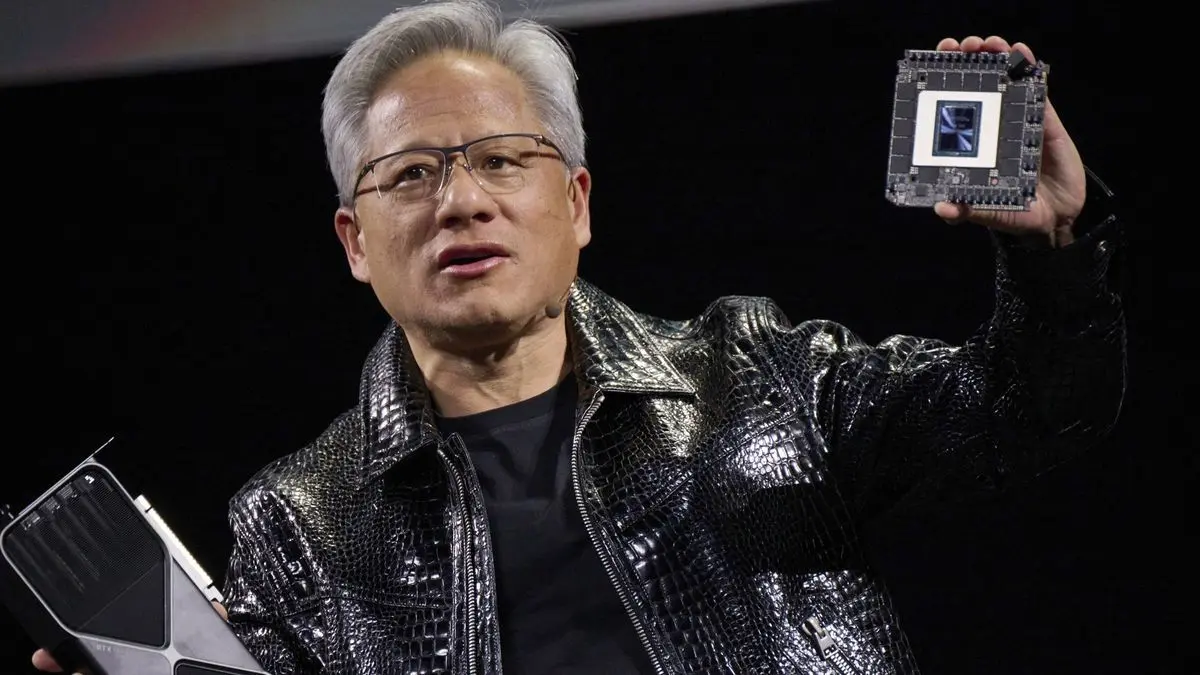
. David Reber Jr., Nvidia's Chief Security Officer, emphatically stated, "There are no back doors in NVIDIA chips. No kill switches. No spyware. That's not how trustworthy systems are built -- and never will be"1
.
Source: PC Gamer
Chinese Accusations and US Proposals
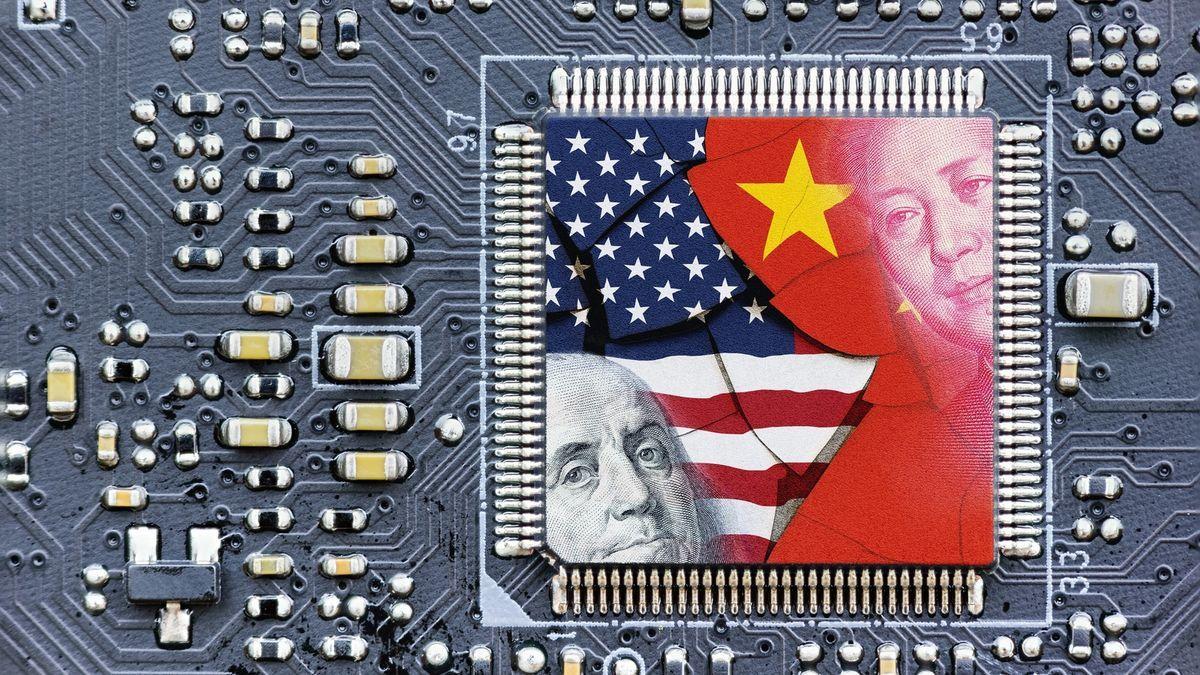
The Cyberspace Administration of China recently summoned Nvidia executives over "serious security issues" in the company's chips, specifically the H20 chip designed for the Chinese market
1
5
. They claimed that US AI experts had revealed the presence of location tracking and remote shutdown capabilities in Nvidia's computing chips1
.Simultaneously, US lawmakers are considering the Chip Security Act, which would require exported chips to include "location verification" features
1
2
. The White House's AI Action Plan also calls for exploring location verification features on advanced AI compute to prevent chips from reaching "countries of concern"1
.Nvidia's Response and Warnings
Nvidia has categorically denied these accusations and warned against implementing such measures. The company argues that backdoors and kill switches would:
- Undermine global trust in US technology
- Create significant security vulnerabilities
- Be a "gift to hackers and hostile actors"
3
4
Reber drew parallels to the failed Clipper Chip initiative of the 1990s, where backdoor provisions in encryption hardware became exploitable flaws
3
. He emphasized that robust GPU security depends on defense-in-depth strategies, not hidden firmware triggers3
.Related Stories

Impact on Business and International Relations

Source: Market Screener
This controversy comes at a critical time for Nvidia's business operations. The company recently stated that its revenue forecast would have been approximately $8 billion higher if not for the halted H20 chip sales to China
3
. While the US administration plans to issue a waiver to resume these exports, Nvidia stressed that forcibly integrating kill-switch-like features could harm US national security interests rather than strengthen them3
.Industry Consensus and Future Implications
Nvidia's position aligns with broader industry consensus. Companies like Apple have long resisted similar government demands, and security experts generally view hardware backdoors as untenable
3
. The debate highlights the ongoing tension between national security concerns and the need for maintaining technological integrity and trust in the global market.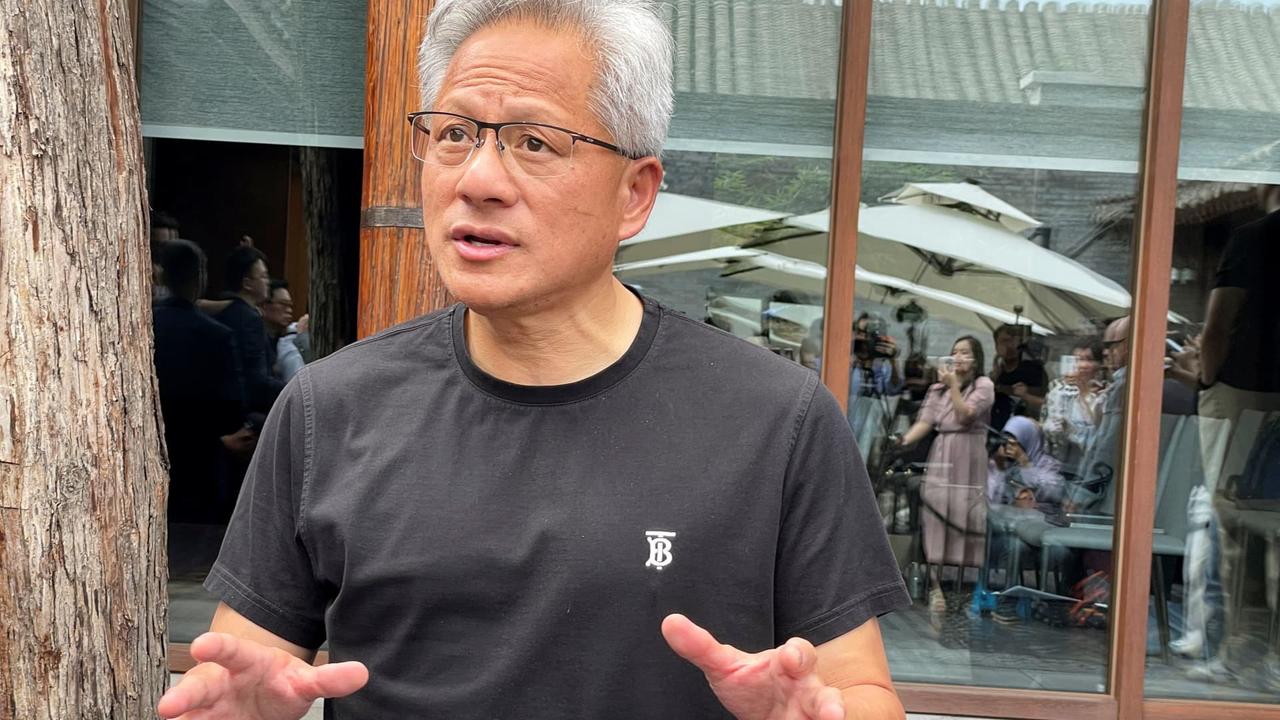
Source: CNBC
As AI chip demand continues to grow worldwide, Nvidia CEO Jensen Huang has argued that it's better for the US if Nvidia's chips become the global standard for AI computers, especially among Chinese developers
5
. This stance underscores the complex interplay between technological leadership, national security, and international trade relations in the rapidly evolving field of AI.References
Summarized by

Navi
[2]
[3]
Related Stories
Nvidia's H20 AI Chip Sparks Controversy Amid US-China Tech Tensions
25 Jul 2025•Technology

US Lawmakers Propose Tracking Technology for Nvidia AI Chips to Combat Smuggling to China
05 May 2025•Policy and Regulation
Nvidia DeepSeek controversy erupts as US lawmaker links technical support to China military AI
29 Jan 2026•Policy and Regulation
Recent Highlights



Recent Highlights
Today's Top Stories



Don’t drown in AI news. We cut through the noise - filtering, ranking and summarizing the most important AI news, breakthroughs and research daily. Follow topics that matter to you and stay ahead.


