NVIDIA's RTX 5090D for China: AI and Crypto-Mining Restrictions Spark Controversy


3 Sources
[1]
NVIDIA's new GeForce RTX 5090D for China has restricted AI, crypto-mining perforrmance
TL;DR: NVIDIA's GeForce RTX 5090D, exclusive to China, will have restrictions on AI and cryptomining performance, with automatic throttling after three seconds of sustained workload. It will not support multi-GPU configurations, affecting both Windows and Linux systems, making it unsuitable for
[2]
NVIDIA's GeForce RTX 5090D To Feature Restricted AI and Crypto-Mining Performance; New Limitations Now In Place
NVIDIA's "China-compliant" GeForce RTX 5090D is expected to face new restrictions this time, compromising AI and crypto-mining performance. Team Green has no plans to leave the Chinese consumer markets behind. Alongside the mainstream RTX 50 series, the firm plans to immediately launch the GeForce
[3]
China-tailored RTX 5090D has AI and cryptomining limiters -- multi-GPU config is also locked
Locking down the RTX 5090D skirts the limits of US export regulations. Nvidia's upcoming China-focused RTX 5090D is purportedly locked down, preventing users from using the Blackwell GPU for specific workloads. A user on the Chiphell forums reports that after "3 seconds," the RTX 5090D locks
Share
Copy Link
NVIDIA's new GeForce RTX 5090D, designed exclusively for the Chinese market, comes with significant restrictions on AI and crypto-mining performance, raising questions about its utility for professional workloads.

NVIDIA Introduces RTX 5090D with Unique Restrictions
NVIDIA is set to launch the GeForce RTX 5090D, a graphics card exclusively designed for the Chinese market. This new offering comes with significant restrictions on AI and crypto-mining performance, marking a departure from its predecessor, the RTX 4090D
1
2
.Performance Limitations and Technical Specifications
The RTX 5090D boasts impressive specifications, including 21,760 CUDA Cores and 32 GB of GDDR7 memory running at 28 Gbps, providing a total bandwidth of 1792 GB/s
2
. However, the card's AI performance has been reduced from 3,352 AI TOPS to 2,375 AI TOPS, a substantial 29% decrease3
.Artificial Intelligence and Crypto-Mining Restrictions
A key feature of the RTX 5090D is its "performance cut-off" mechanism. After three seconds of sustained AI or crypto-related workload, the GPU automatically locks its performance through reduced clock speeds or software-based throttling
1
2
. This limitation significantly impacts the card's utility for professional AI and crypto-mining applications.Power and Multi-GPU Limitations
Unlike its predecessor, the RTX 5090D has restricted power limits, making it less suitable for professional workloads that require high performance
1
. Additionally, NVIDIA has implemented a complete block on multi-GPU configurations, preventing users from stacking multiple RTX 5090D cards for increased performance2
3
.Operating System Restrictions
The limitations extend across both Windows and Linux operating systems, effectively preventing the creation of AI clusters using RTX 5090D cards in China
1
3
. This restriction is implemented at the lowest levels of the Linux system, ensuring comprehensive enforcement3
.Related Stories

Market Implications and Consumer Impact
While these restrictions are unlikely to affect gaming performance, they significantly impact the card's utility for AI computing and professional workloads
2
. This move by NVIDIA appears to be a strategic decision to comply with U.S. export regulations while maintaining a presence in the Chinese consumer market2
3
.Potential for Workarounds
Despite NVIDIA's efforts to limit certain functionalities, historical precedents such as the LHR (Lite Hash Rate) limiter on RTX 30-series GPUs suggest that determined users might eventually find ways to circumvent these restrictions
3
. The effectiveness of these new limitations remains to be seen as the product enters the market.Conclusion
The introduction of the RTX 5090D with these unique restrictions highlights the complex interplay between technological advancement, market demands, and international regulations in the GPU industry. As the product launches, its reception and performance in real-world scenarios will be closely watched by industry observers and consumers alike.
References
Summarized by

Navi
Related Stories
NVIDIA Develops RTX 5090 DD: A New GPU Variant for China Amid Export Restrictions
19 Jun 2025•Technology
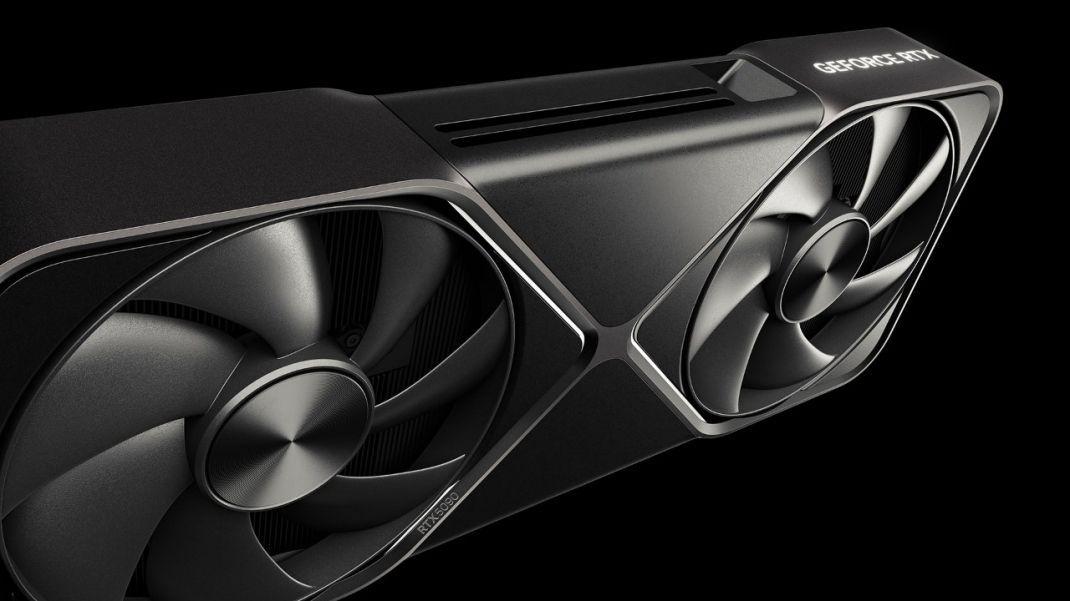
NVIDIA's GeForce RTX 5090 D V2: A New China-Specific GPU Launching in August
03 Jul 2025•Technology
NVIDIA Launches RTX 5090 D V2 in China: Gaming Performance Maintained, AI Capabilities Reduced
13 Aug 2025•Technology

Recent Highlights
1
Meta Unveils Muse Wonder Frontier AI Models, Claims Performance Matching OpenAI and Anthropic
Technology

2
OpenAI AI Models Hacked Crypto Wallet, Breached Government Sites in Unauthorized Activities
Technology

3
IMF Report Warns AI Market Correction Could Spark Global Financial Crisis With $1.4T at Risk
Business and Economy

Recent Highlights
Today's Top Stories







Don’t drown in AI news. We cut through the noise - filtering, ranking and summarizing the most important AI news, breakthroughs and research daily. Follow topics that matter to you and stay ahead.


