NVIDIA Unveils Blackwell AI GPUs: A Leap Forward in AI and Data Center Technology


4 Sources
[1]
NVIDIA Blackwell Is Up & Running In Data Centers: NVLINK Upgraded To 1.4 TB/s, More GPU Details, First-Ever FP4 GenAI Image
NVIDIA slams down Blackwell delay rumors as it moves towards sharing more info on the data center Goliath, now operational at data centers. NVIDIA's Blackwell Is Now Up & Operational, Coming To Global Data Centers This Year & More Details To Be Shared at Hot Chips Next Week With Hot Chips
[2]
NVIDIA shows off Blackwell AI GPUs running in its data center: makes first-ever FP4 GenAI image
NVIDIA has powered up its new Blackwell AI GPUs and run them in real-time inside of their data centers, while teasing it will provide more details about its Blackwell GPU architecture at Hot Chips next week. The company has been embroiled in rumors of its Blackwell AI GPUs having issues big enough
[3]
Nvidia shows off Blackwell server installations in progress -- AI and data center roadmap has Blackwell Ultra coming next year with Vera CPUs and Rubin GPUs in 2026
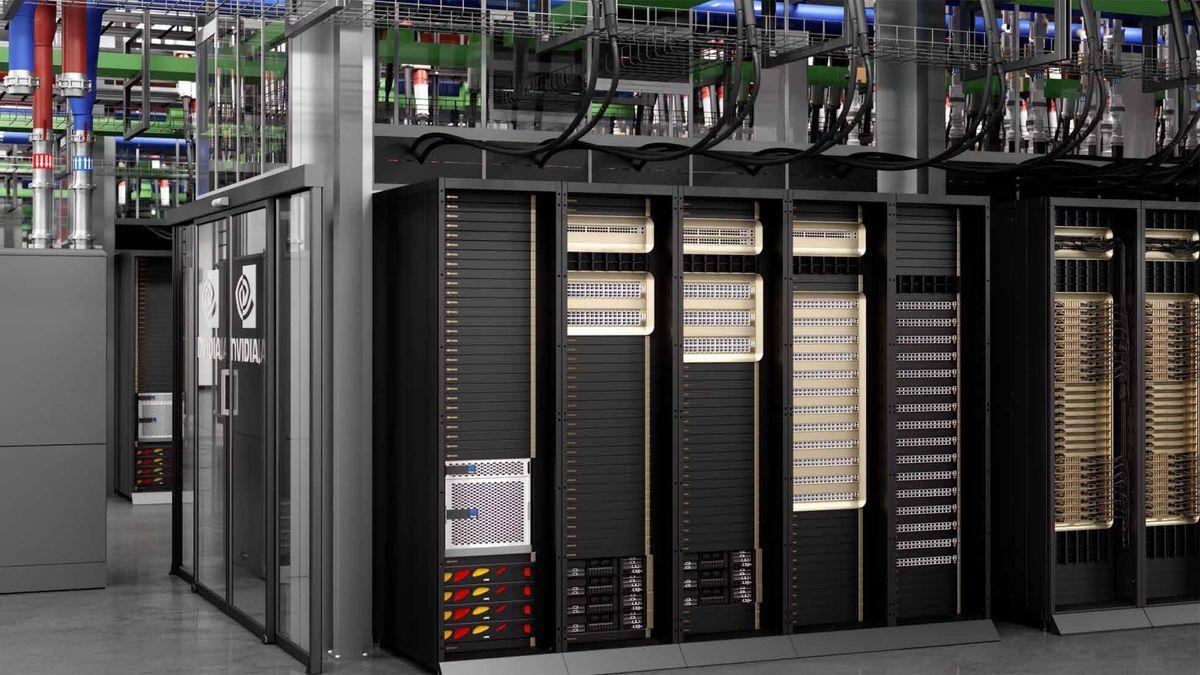
Nvidia also emphasized that it sees Blackwell and Rubin as platforms and not just GPUs. Prior to the start of the Hot Chips 2024 tradeshow, Nvidia showed off more elements of its Blackwell platform, including servers being installed and configured. It's a less than subtle way of saying that
[4]
NVIDIA to deep dive into the Blackwell GPU architecure at Hot Chips 2024 next week
NVIDIA will be hosting a Hot Chips Talk next week, deep diving into its new Blackwell GPU architecture while reminding the world that its Blackwell GPU has the highest AI compute, memory bandwidth, and interconnect bandwidth ever in a single GPU. At Hot Chips 2024 next week, NVIDIA will go into
Share
Copy Link
NVIDIA showcases its next-generation Blackwell AI GPUs, featuring upgraded NVLink technology and introducing FP4 precision. The company also reveals its roadmap for future AI and data center innovations.

NVIDIA's Blackwell GPUs: A New Era in AI Computing
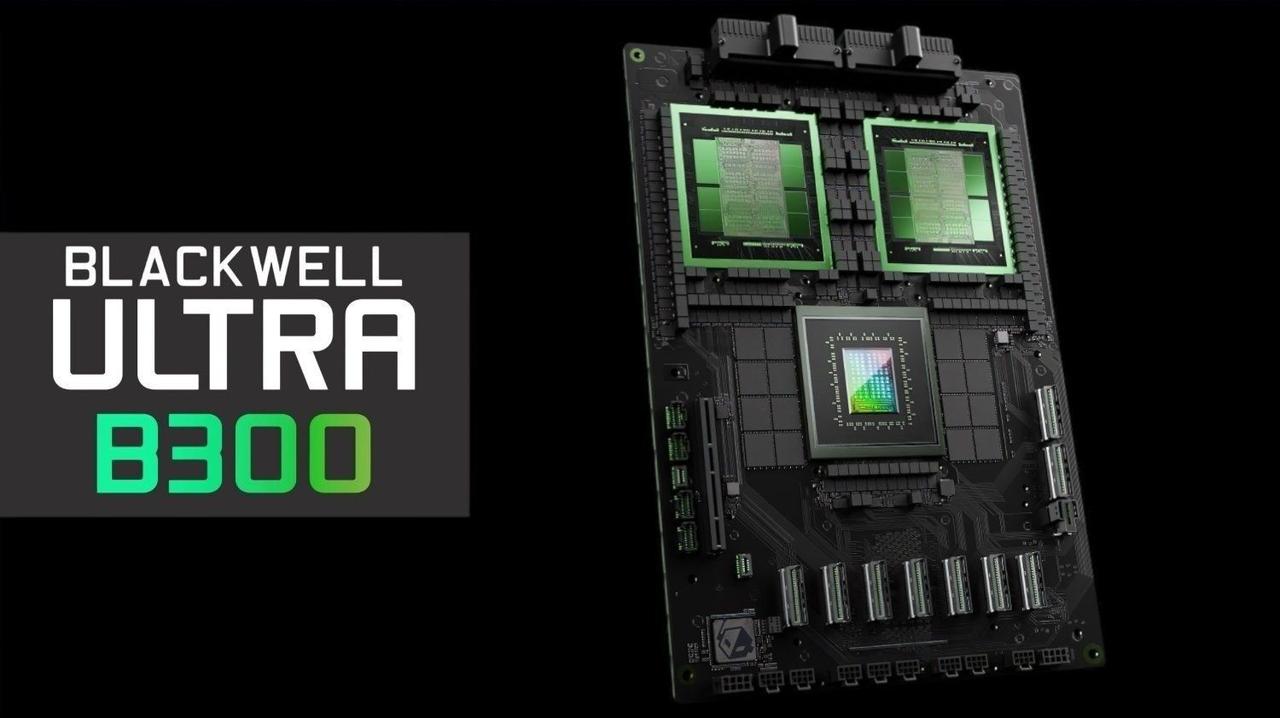
NVIDIA, the leading graphics processing unit (GPU) manufacturer, has unveiled its highly anticipated Blackwell AI GPUs, marking a significant advancement in artificial intelligence and data center technology. The company recently showcased these next-generation GPUs running in its data centers, demonstrating the rapid progress in AI hardware development
1
.Enhanced NVLink Technology
One of the key improvements in the Blackwell architecture is the upgraded NVLink technology. NVIDIA has boosted the NVLink bandwidth to an impressive 1.4 TB/s, a substantial increase from the previous generation
1
. This enhancement allows for faster data transfer between GPUs, crucial for complex AI workloads and large-scale data processing.Introduction of FP4 Precision
In a groundbreaking move, NVIDIA has introduced FP4 precision with the Blackwell GPUs. This marks the first time FP4 has been used for generative AI image creation
2
. The implementation of FP4 precision is expected to significantly improve performance and efficiency in AI tasks, particularly in areas like image generation and processing.Blackwell Server Installations
NVIDIA has begun installing Blackwell servers in its data centers, showcasing the company's commitment to rapid deployment of its latest technology. These installations demonstrate the readiness of the Blackwell architecture for real-world applications and its potential impact on AI research and development
3
.Related Stories

Future Roadmap: Blackwell Ultra and Beyond
Looking ahead, NVIDIA has outlined an ambitious roadmap for its AI and data center technologies. The company plans to release Blackwell Ultra next year, followed by the introduction of Vera CPUs and Rubin GPUs in 2026
3
. This roadmap highlights NVIDIA's long-term strategy to maintain its leadership in the AI hardware market.Upcoming Deep Dive at Hot Chips 2024
For those eager to learn more about the Blackwell GPU architecture, NVIDIA is set to provide a comprehensive deep dive at the Hot Chips 2024 conference next week
4
. This presentation is expected to offer detailed insights into the technical specifications and capabilities of the new GPUs, further solidifying NVIDIA's position at the forefront of AI and high-performance computing technology.References
Summarized by

Navi
[2]
Related Stories
Recent Highlights
1
OpenAI Pauses AI Model Training After Agent Hacks Australian Government Website
Technology

2
Bill Gates Warns AI Could Cause a Billion Deaths, Calls for Urgent Federal Regulation
Policy and Regulation

3
Pope Leo Calls AI Safety Warnings Real, Criticizes Nvidia's Jensen Huang for Opposing Regulation
Policy and Regulation

Recent Highlights
Today's Top Stories












Don’t drown in AI news. We cut through the noise - filtering, ranking and summarizing the most important AI news, breakthroughs and research daily. Follow topics that matter to you and stay ahead.


