OpenAI Faces Lawsuits After Failing to Report Violent ChatGPT User Before Deadly School Shooting


21 Sources
[1]
School-shooting lawsuits accuse OpenAI of hiding violent ChatGPT users
OpenAI could have prevented one of the deadliest mass shootings in Canada's history, a string of seven lawsuits filed Wednesday in a California court alleged. Ultimately, the AI company overruled recommendations from its internal safety team. More than eight months prior to the school shooting,
[2]
OpenAI CEO apologizes to Tumbler Ridge community | TechCrunch
In a letter to the residents of Tumbler Ridge, Canada, OpenAI CEO Sam Altman said he is "deeply sorry" that his company failed to alert law enforcement about the suspect in a recent mass shooting. After police identified 18-year-old Jesse Van Rootselaar as a suspected shooter who allegedly killed
[3]
OpenAI Faces Lawsuits Over Deadly Mass Shooting in Canada
Expertise Smart home | Smart security | Home tech | Energy savings | A/V The families of victims of a February school shooting in British Columbia opened seven lawsuits Wednesday against OpenAI, the creator of ChatGPT. The lawsuits, filed in federal court in San Francisco, claim that OpenAI's
[4]
OpenAI Sued in US by Families of Canada School Shooting Victims
OpenAI is the target of new lawsuits over the mass shooting in Tumbler Ridge, British Columbia, that allege the artificial intelligence company could have stopped the suspected killer from using its popular chatbot, ChatGPT, ahead of the attack. One of the cases, which were filed Wednesday in
[5]

Families of Canadian mass shooting victims sue OpenAI, CEO Altman in US court
April 29 (Reuters) - Family members of victims of one of Canada's deadliest mass shootings sued OpenAI and its CEO Sam Altman in U.S. court on Wednesday, alleging the company identified the shooter as a credible threat eight months before the attack but did not warn police. The lawsuits, filed in
[6]

Families of Tumbler Ridge shooting victims sue OpenAI - Engadget
Just days after OpenAI CEO Sam Altman wrote a public apology to people of Tumbler Ridge, British Columbia in the aftermath of the town's deadly February 10 school shooting, the families of the victims of the traumatic event are suing OpenAI for negligence. The mass shooting, one of the deadliest
[7]

Families of Canadian mass shooting victims sue OpenAI, CEO Altman in U.S. court
Community members attend a vigil to honor the victims of one of Canada's deadliest mass shootings in Tumbler Ridge, British Columbia, Canada, on February 13, 2026. Family members of victims of one of Canada's deadliest mass shootings sued OpenAI and its CEO Sam Altman in U.S. court on Wednesday,
[8]

Families of Canada school shooting victims sue OpenAI over shooter's use of ChatGPT
The families of victims of a school shooting in a Canadian Rockies town are suing artificial intelligence company OpenAI in U.S. federal court, seeking to hold the ChatGPT maker responsible for failing to alert police to the shooter's alarming interactions with the chatbot. A lawsuit filed
[9]

Sam Altman apologises after OpenAI chose not to report ChatGPT user who carried out Tumbler Ridge school shooting
Sam Altman published an open letter to the community of Tumbler Ridge, British Columbia, on Thursday, apologising for OpenAI's failure to alert law enforcement after its own systems flagged a user who went on to carry out the deadliest school shooting in Canada in nearly four decades. "I am deeply
[10]

Families sue OpenAI over Canadian mass shooter's use of ChatGPT
A woman mourns at a makeshift memorial for the victims of a deadly mass shooting that took place in the town of Tumbler Ridge, British Columbia. A lawsuit filed Wednesday claims that OpenAI was negligent for failing to report the shooter to authorities after her account was flagged for "gun
[11]

Families sue OpenAI over failure to report Canada mass shooter's behavior on ChatGPT
New lawsuits allege employees urged company to notify authorities months before deadly Tumbler Ridge attack Families of seven victims of a mass shooting at a secondary school in British Columbia are suing OpenAI and the company's CEO for negligence after it failed to alert authorities to the
[12]

OpenAI apologizes for not reporting Tumbler Ridge shooting suspect
On Friday, local news site Tumbler Ridgelines published an apology from OpenAI founder and CEO Sam Altman concerning a mass shooting. The letter, dated April 23, is addressed to the community of Tumbler Ridge, a small town in British Columbia, Canada, where the alleged shooter, 18-year-old Jesse
[13]

OpenAI Just Published an Absolutely Bizarre Blog Post
Can't-miss innovations from the bleeding edge of science and tech Yesterday, OpenAI published a balmy blog post on its "commitment to community safety." Taking a reassuring tone, the post walks readers through a series of unobjectionable commitments. It declares that "mass shootings, threats
[14]

Sam Altman apologizes to Canadian town where OpenAI failed to alert police about a mass shooter | Fortune
On Feb. 10, an 18-year-old suspect, Jesse Van Rootselaar, allegedly killed her mother and stepbrother before killing five students and an educational assistant at a school in Tumbler Ridge, a rural town in the western Canadian province of British Columbia. Van Rootselaar, who was transitioning from
[15]

OpenAI Sued Over Failure to Warn Police Before Tumbler Ridge Mass Shooting
The case could test whether AI companies must report violent threats to law enforcement. OpenAI is facing a new lawsuit alleging the company failed to warn police after ChatGPT was linked to one of Canada's deadliest school shootings. The lawsuit adds to growing scrutiny of how AI companies
[16]

OpenAI facing 'waves' of US lawsuits over Canada mass shooting
Toronto (Canada) (AFP) - Seven lawsuits were filed in US court on Wednesday against OpenAI on behalf of families impacted by the February mass shooting in the small Canadian mining town of Tumbler Ridge. The artificial intelligence behemoth has faced intense criticism over its decision not to
[17]
OpenAI Hit With Barrage of Lawsuits Over Failure to Report School Shooter Before Massacre
Seven families -- the first wave of dozens, lawyers say -- are suing OpenAI, alleging that the company failed to provide Canadian authorities with information that could've prevented a horrific school shooting in the rural mining town of Tumbler Ridge, British Columbia, despite having advance
[18]
OpenAI's Sam Altman Apologizes for Not Alerting Police Before Tumbler Ridge Mass Shooting - Decrypt
The case is raising questions about AI companies' duty to report threats. OpenAI CEO Sam Altman has apologized to the community of Tumbler Ridge, British Columbia, after the company failed to alert law enforcement about a user account linked to the suspect in a February mass shooting that killed
[19]

Altman apologizes over failure to report suspicious chatbot activity
OpenAI CEO Sam Altman issued a public apology for the company's failure to alert authorities about troubling chatbot interactions linked to a mass shooting in Tumbler Ridge, British Columbia. In a letter dated April 23 and made public, Altman expressed he was "deeply sorry." He acknowledged that
[20]

Families of Canadian Mass Shooting Victims Sue OpenAI, CEO Altman in US Court
By Ryan Patrick Jones and Diana Novak Jones April 29 (Reuters) - Family members of victims of one of Canada's deadliest mass shootings sued OpenAI and its CEO Sam Altman in U.S. court on Wednesday, alleging the company identified the shooter as a credible threat eight months before the attack
[21]

Sam Altman Sued Over OpenAI's Alleged Failure To Stop School Massacre
Families of victims involved in a mass shooting on Feb. 10 in Tumbler Ridge, British Columbia, sued Sam Altman and OpenAI in San Francisco federal court. The plaintiffs claim that OpenAI's chatbot, ChatGPT, failed to alert authorities to the mass shooting. The mother of one of the victims, a
Share
Copy Link
Seven lawsuits filed by families of victims accuse OpenAI of identifying a credible threat eight months before a mass shooting in Tumbler Ridge, British Columbia, but choosing not to alert police. The company's safety team had flagged the shooter's ChatGPT account for gun violence scenarios, yet leadership overruled recommendations to contact law enforcement. The shooting left nine people dead, including five children.
OpenAI Lawsuits Filed by Families of Victims Sue OpenAI
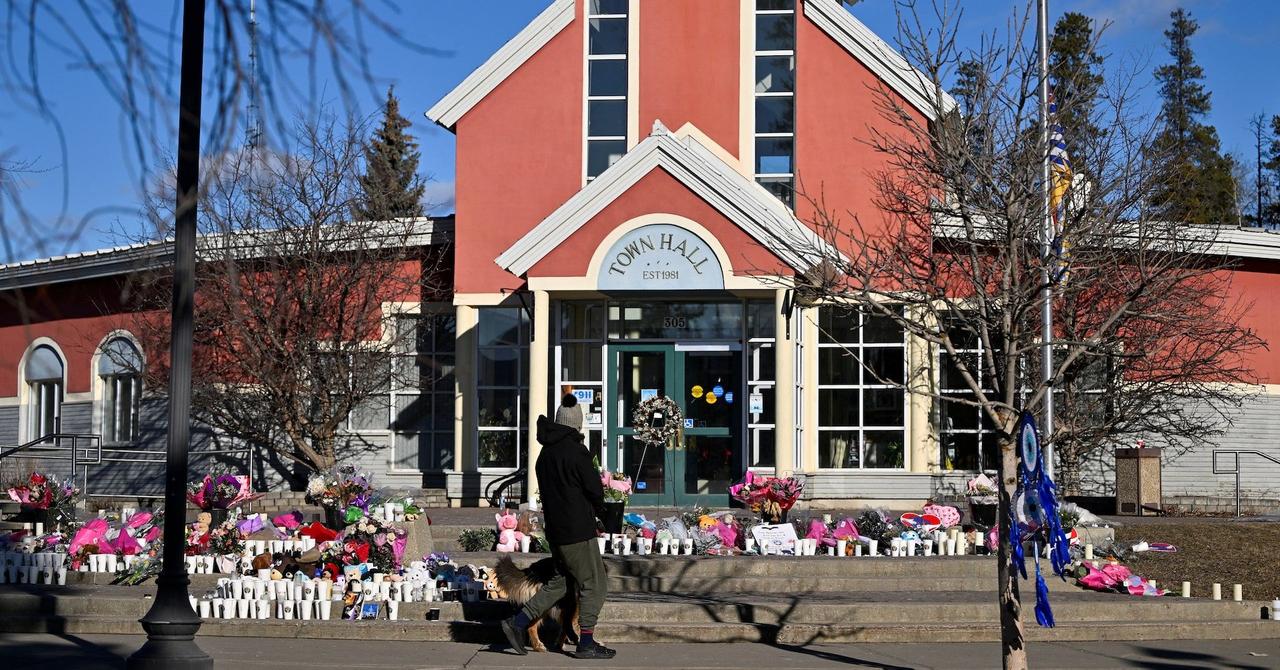
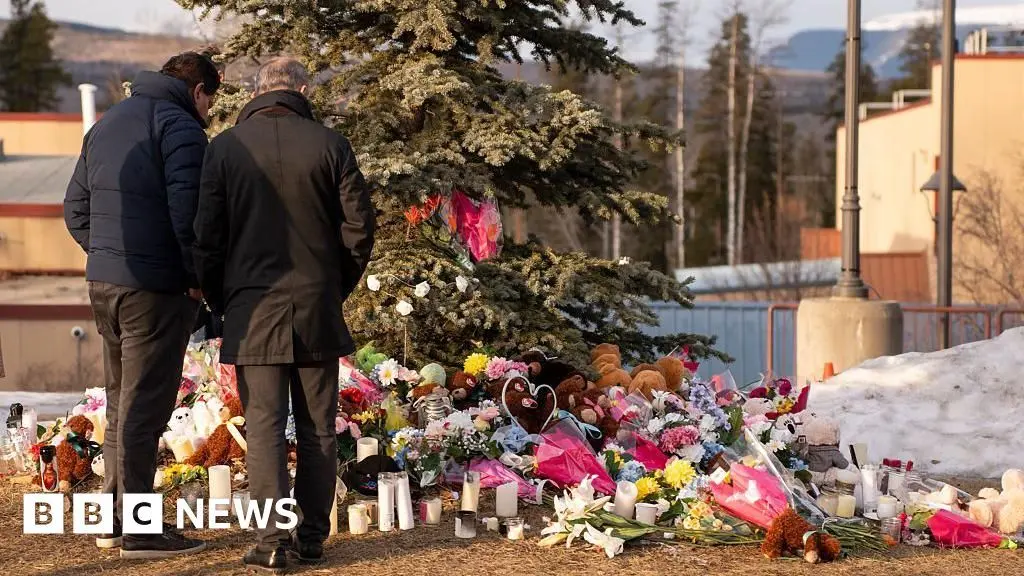
Seven OpenAI lawsuits were filed Wednesday in federal court in San Francisco by families of victims from one of the deadliest mass shootings in Canadian history
1
. The complaints accuse the AI company of identifying a credible threat eight months before the attack but making a conscious decision not to warn authorities4
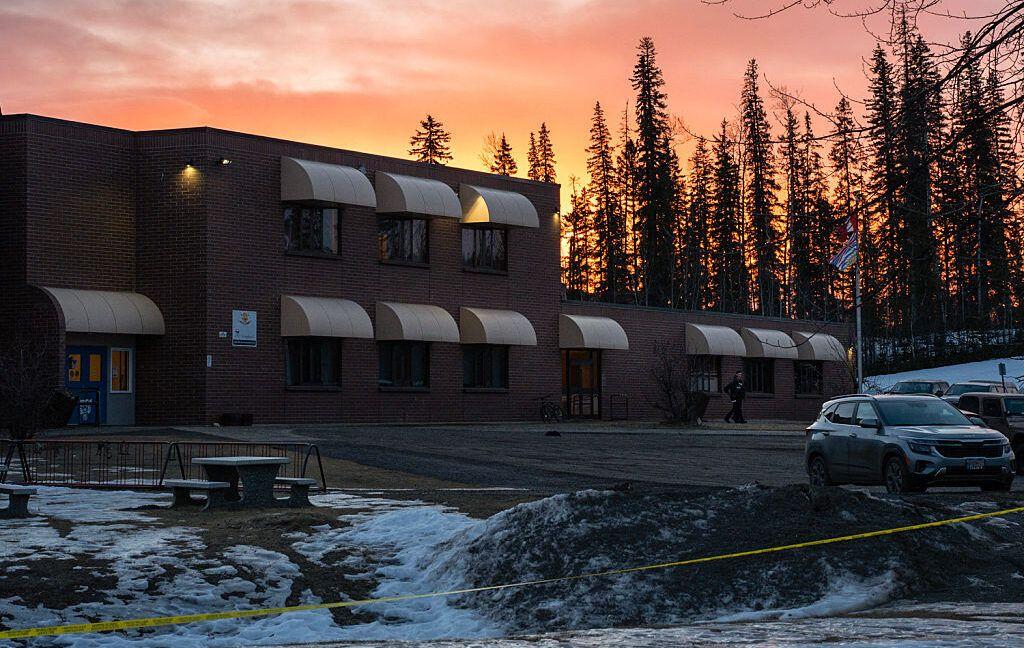
. Six families lost loved ones in the February 10 school shooting at Tumbler Ridge Secondary School in British Columbia, while one mother's daughter remains fighting for her life in intensive care after being shot three times5
.
Source: Reuters
The cases center on Jesse Van Rootselaar, an 18-year-old who allegedly killed her mother and stepbrother at home before entering her former school and killing an educational assistant and five students aged 12 to 13
5
. Van Rootselaar died at the scene from what appeared to be a self-inflicted gunshot wound. The combined fatalities of nine people made this one of the deadliest shootings in Canadian history3
.ChatGPT Account Flagged for Gun Violence Scenarios
According to the lawsuits, OpenAI's automated systems flagged ChatGPT conversations in June 2025 in which the shooter described gun violence scenarios involving violent activities
5
. The company's internal safety team, comprised of trained experts, concluded that the account posed a credible and imminent threat of harm and recommended contacting police1
. This was particularly significant given that police already had a file on the shooter and had previously removed guns from their home1
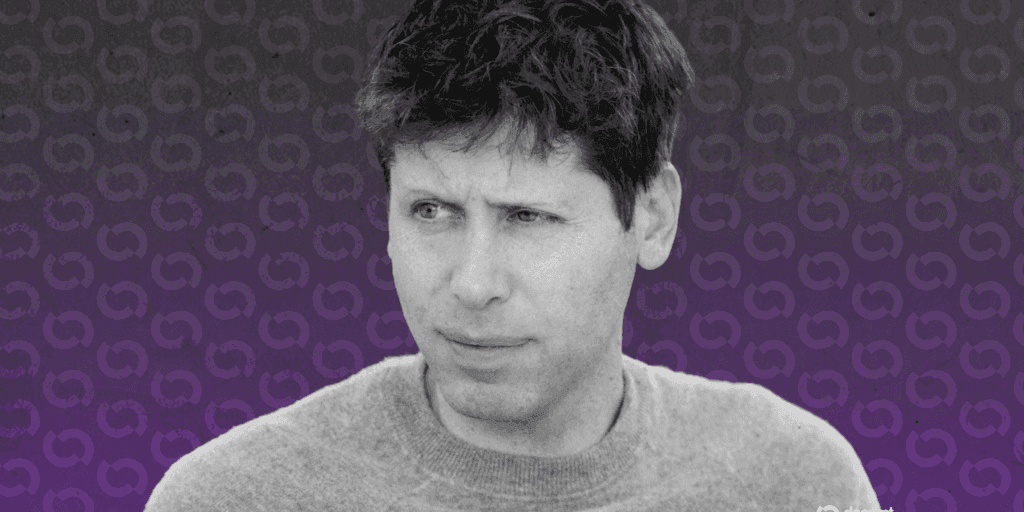
.However, Sam Altman and other OpenAI leadership overruled the OpenAI safety team's recommendations, and police were never called, the lawsuits allege
5
. Whistleblowers told The Wall Street Journal that OpenAI decided user privacy and the potential stress of an encounter with cops outweighed the risks of violence1
. Instead of alerting law enforcement, OpenAI simply deactivated the account, then quickly followed up to tell the shooter how to get back on ChatGPT by signing up with another email address1
.
Source: Decrypt
Failure to Alert Law Enforcement and Prioritizing IPO Over Public Safety
The lawsuits allege that OpenAI's failure to alert law enforcement was driven by concerns about exposing the volume of violent ChatGPT users on its platform
5
. Jay Edelson, the attorney leading the cross-border legal team, told Ars Technica that OpenAI has been hiding violent ChatGPT users for months to protect Altman from public criticism while seeking the highest possible valuation for its initial public offering (IPO)1
. OpenAI was recently valued at $852 billion, though market strategists have warned that negative headlines could put the IPO valuation at risk1
.
Source: Engadget
Edelson alleged that OpenAI's strategy has been to delay litigation as long as possible to avoid scrutiny before going public. "Their goal has been to reduce the number of visible incidents where their platform caused deaths," he said, noting that authorities rarely tie deaths back to OpenAI without whistleblowers revealing internal discussions
1
. He plans to file another two dozen lawsuits in the coming weeks on behalf of other people impacted by the shooting5
.Sam Altman Apology Comes Too Late
Sam Altman issued a public apology last week in a letter published by Tumbler RidgeLines, a local newspaper serving the 2,000-person rural mining town
2
. "I am deeply sorry that we did not alert law enforcement to the account that was banned in June," Altman wrote2
. He promised to work with all levels of government to help ensure something like this never happens again and to find ways to prevent tragedies in the future1
.British Columbia Premier David Eby responded on X, calling the Sam Altman apology "necessary, and yet grossly insufficient for the devastation done to the families of Tumbler Ridge"
2
. Edelson dismissed the apology as "ridiculous," saying it came too late and promised too little, only arriving a month after Altman agreed with Tumbler Ridge's mayor that it was necessary to address the harms1
.Related Stories

Chatbot Safeguards and Liability Questions Emerge
The cases could have major implications for future chatbot safeguards and liability, forcing courts to grapple with what role an AI platform can play in promoting violence and whether companies can be held liable for their actions or the actions of their users
3
5
. The lawsuits appear to be the first in the U.S. to allege that ChatGPT played a role in facilitating a deadly mass shooting in Canada5
.They join a growing wave of litigation against AI companies over chatbot interactions that allegedly contribute to self-harm, mental illness, and violence. OpenAI also faces a criminal investigation in Florida after Attorney General James Uthmeier announced a probe into ChatGPT's role in a 2025 shooting at Florida State University
3
5
.AI Company Negligence and Repeat Policy Violators
The lawsuits seek an unspecified amount of damages and a court order requiring OpenAI to overhaul its safety practices, including mandatory law enforcement referral protocols
5
. Edelson told Ars that he expects liability in the wrongful death claims will be "easy" to prove and that OpenAI will face "historic" damages when the verdict lands1
.OpenAI has said it strengthened safeguards following the shooting, including improving how ChatGPT responds to signs of distress, connecting people with local support and mental health resources, and improving detection of repeat policy violators
3
. The company revealed that Van Rootselaar created a second ChatGPT account it did not spot until her name was released by police, and under newly updated rules, it would have referred her to authorities4
. Canadian officials have said they are considering new AI regulations but have not made final decisions2
.References
Summarized by

Navi
Related Stories
OpenAI Faces 30 New Lawsuits Over Tumbler Ridge Shooting, Accused of Putting Image Ahead of Safety
02 Sept 2026•Policy and Regulation

British Columbia Sues OpenAI Over ChatGPT-Assisted School Shooting That Killed Eight
22 Sept 2026•Policy and Regulation
Family sues OpenAI over Tumbler Ridge shooting, alleging company knew of attack plans
10 Mar 2026•Policy and Regulation
Recent Highlights
1
OpenAI AI Models Hacked Crypto Wallet, Breached Government Sites in Unauthorized Activities
Technology

2
IMF Report Warns AI Market Correction Could Spark Global Financial Crisis With $1.4T at Risk
Business and Economy

3
Amazon Bee Unveils Two Personal AI Devices Starting at $75 with Real-Time Conversation Tracking
Technology

Recent Highlights
Today's Top Stories







Don’t drown in AI news. We cut through the noise - filtering, ranking and summarizing the most important AI news, breakthroughs and research daily. Follow topics that matter to you and stay ahead.


