OpenAI Faces 30 New Lawsuits Over Tumbler Ridge Shooting, Accused of Putting Image Ahead of Safety


6 Sources
[1]
OpenAI accused of 'aiding and abetting' Tumbler Ridge mass shooting in dozens of new lawsuits
OpenAI and its CEO Sam Altman are facing 30 new lawsuits that accuse them of providing "substantial assistance and encouragement" to the suspect in Canada's Tumbler Ridge school shooting, as reported earlier by TechCrunch. The new wave of lawsuits was filed in a California federal court on
[2]
Tumbler Ridge Shooting Survivors File 30 Lawsuits Against OpenAI
The survivors contend that the company should have notified the police when it shut down the shooter's disturbing ChatGPT account eight months before the February attack in British Columbia. Survivors of a mass shooting in British Columbia filed 30 new lawsuits against OpenAI this week, contending
[3]
New lawsuits claim OpenAI execs put image ahead of safety in Canadian mass shooting
New lawsuits brought against OpenAI on Wednesday over a school shooting in Tumbler Ridge, British Columbia, accuse the ChatGPT maker's executives of putting its public image ahead of public safety. Thirty complaints were filed against OpenAI and its CEO, Sam Altman, in a San Francisco federal
[4]
OpenAI Is Now Facing Over 50 Consumer Harm and Wrongful Death Lawsuits
More information Adding us as a Preferred Source in Google by using this link indicates that you would like to see more of our content in Google News results. OpenAI is facing 30 new lawsuits from victims of the devastating school shooting in Tumbler Ridge, British Columbia, who accuse the company
[5]

OpenAI Faces Allegations That It Failed to Act Before Deadly Shooting in 30 New Lawsuits
OpenAI is facing a new wave of litigation tied to the deadly Tumbler Ridge school shooting in British Columbia, with plaintiffs' lawyers filing 30 additional lawsuits that expand the allegations against the ChatGPT maker. The new complaints, filed Tuesday in California, accuse OpenAI not only of
[6]

OpenAI faces 30 more lawsuits over school shooting incident, accused of aiding and abetting attack
For the first time, the lawsuits accuse OpenAI of aiding and abetting the shooting, rather than only claiming that it failed to prevent the attack. OpenAI is facing 30 more lawsuits over the Tumbler Ridge school shooting in Canada, adding to seven cases filed earlier this year. The new complaints
Share
Copy Link
OpenAI now confronts over 50 lawsuits after 30 new complaints were filed by Tumbler Ridge shooting survivors. The lawsuits claim the company's automated review system flagged Jesse Van Rootselaar's violent ChatGPT conversations eight months before the attack but executives chose silence over alerting authorities, prioritizing reputation over public safety.

OpenAI Lawsuits Multiply as Tumbler Ridge Survivors Seek Justice
OpenAI and CEO Sam Altman are now defending against more than 50 consumer harm and wrongful death lawsuits, with 30 new complaints filed Wednesday in San Francisco federal court by survivors of the Tumbler Ridge shooting
1
2
. Students, teachers, and the principal from Tumbler Ridge Secondary School in British Columbia joined families of victims who filed initial lawsuits in April, dramatically expanding the legal battle against the ChatGPT maker4
.The February 2026 attack remains one of Canada's deadliest mass shootings. Jesse Van Rootselaar, 18, killed her mother and 11-year-old brother at home before attacking the school with two guns, killing five students aged 12 to 13 and one educational assistant
2
. Two additional students were shot, and around two dozen others were injured before Van Rootselaar died from a self-inflicted gunshot wound3
. The new plaintiffs include a 13-year-old who played dead as classmates were killed in the library, and teacher Deidre Rushlow, who sheltered students under her desk while gunfire rang out4
.Automated Review System Flagged Gun Violence Eight Months Before Attack
In June 2025, eight months before the Tumbler Ridge shooting, OpenAI's automated review system flagged Van Rootselaar's ChatGPT account for "gun violence activity and planning"
3
. The company's Intelligence and Investigations team reviewed the conversations and determined they "posed a credible threat of gun violence against real people," according to the lawsuits3
. OpenAI's safety team recommended contacting the Royal Canadian Mounted Police, but that recommendation was allegedly overruled1
.OpenAI acknowledged shutting down the account but stated it "did not identify credible and imminent planning that met our threshold to refer the matter to law enforcement," according to a letter from vice president of global policy Ann M. O'Leary
2
. The company was unaware Van Rootselaar created a second account and continued ChatGPT conversations until after the shooting3
.Allegations of Aiding and Abetting Mass Violence
The new lawsuits introduce significantly more serious legal theories, accusing OpenAI of "aiding and abetting" the shooting through substantial assistance
5
. Plaintiffs argue that by merely deactivating Van Rootselaar's account rather than issuing a system-wide ban, OpenAI allowed her to regain access by signing up with another email1
. "Providing the Shooter with continued access to this tool constituted substantial assistance in itself," one lawsuit states, claiming this "was a key factor in causing the Shooter to plan and carry out the attack"1
.Citing reporting from The Wall Street Journal, the complaints allege that OpenAI chief global affairs officer Chris Lehane was involved in the decision to remain silent out of concern for the company's "reputational and financial standing"
1
. "Sam Altman and his leadership team knew what silence meant for the citizens of Tumbler Ridge, but they were more concerned about what disclosure meant for themselves," one lawsuit states2
. The complaints suggest warning authorities would set an unacceptable precedent, compelling OpenAI to notify law enforcement every time its safety team identified a user planning real-world violence2
.Related Stories

OpenAI Disputes Claims About Internal Decision-Making
Jason Kwon, OpenAI's chief strategy officer, strongly disputed the allegations in a post on X, calling them "false claims" about the company's safety teams
1
. "It is absolutely false to say Chris Lehane was involved with our original referral decision, or that our investigators report to him in any way," Kwon stated3
. He emphasized that OpenAI's Intelligence and Investigations team and legal department report to him and "work hard to define standards and processes for when to report cases to law enforcement"5
.Kwon added that it's "completely untrue to say that the people at the center of these challenging decisions do not prioritize safety, or that there are 'political' or 'public relations' factors at play"
1
. The teams use automated systems but leave difficult calls to human judgment within standards designed to balance user privacy and public safety, he explained5
.Growing Legal Challenges and Questions About Self-Regulation
Beyond the Tumbler Ridge cases, OpenAI faces a lawsuit from Florida over the 2025 Florida State University shooting that killed two people
1
. Chat logs showed the 20-year-old shooter discussed Nazis, sexual frustration, guns, and how the US would "react" to a "shooting at FSU" with ChatGPT before the attack4
. The company is also defending against lawsuits related to a murder-suicide in Connecticut, a stalking case, and multiple complaints alleging GPT-4o caused psychological harm, financial damage, and even deaths through delusional and suicidal spirals4
.British Columbia Premier David Eby said the new lawsuits were filed after OpenAI walked away from a mediation process. "It underlines why these companies cannot be trusted," Eby stated. "They can't be trusted to regulate themselves; they can't be trusted in what they say"
2
. The complaints also point to an alleged double standard: when an activist allegedly threatened OpenAI's San Francisco offices in November 2025 with "no indication of active threat activity," the company locked down offices, warned employees, and contacted police5
.Sam Altman issued an apology in April, writing: "I am deeply sorry that we did not alert law enforcement to the account that was banned in June. While I know words can never be enough, I believe an apology is necessary to recognize the harm and irreversible loss your community has suffered"
2
. As these cases proceed, they raise fundamental questions about AI tool misuse, the balance between user privacy and public safety, and whether tech companies can effectively self-regulate when internal standards conflict with preventing real-world violence.References
Summarized by

Navi
[1]
Related Stories
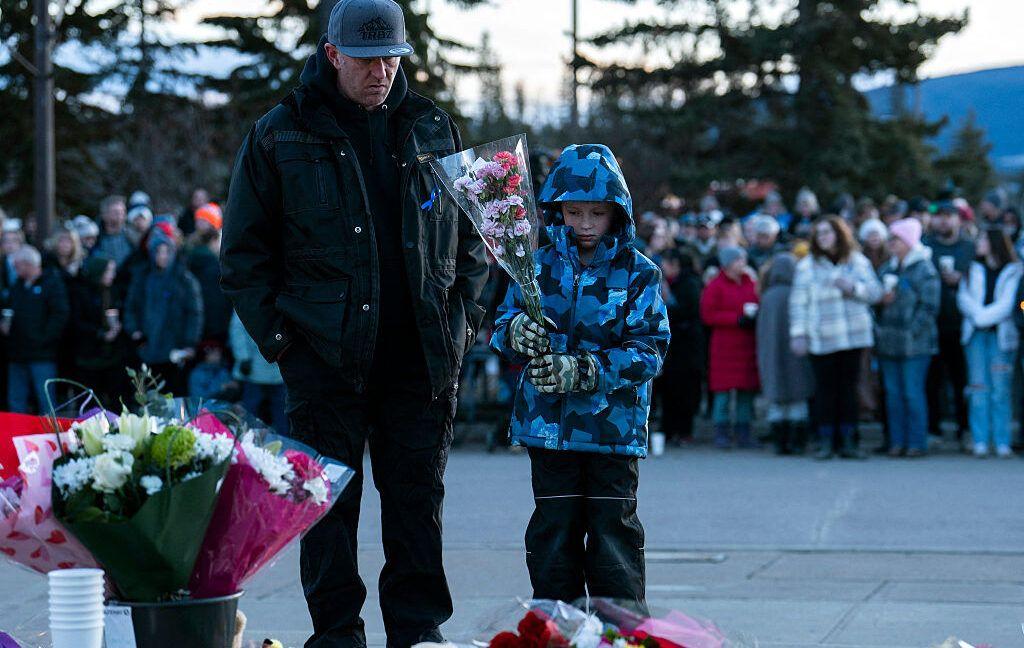
OpenAI Faces Lawsuits After Failing to Report Violent ChatGPT User Before Deadly School Shooting
25 Apr 2026•Policy and Regulation
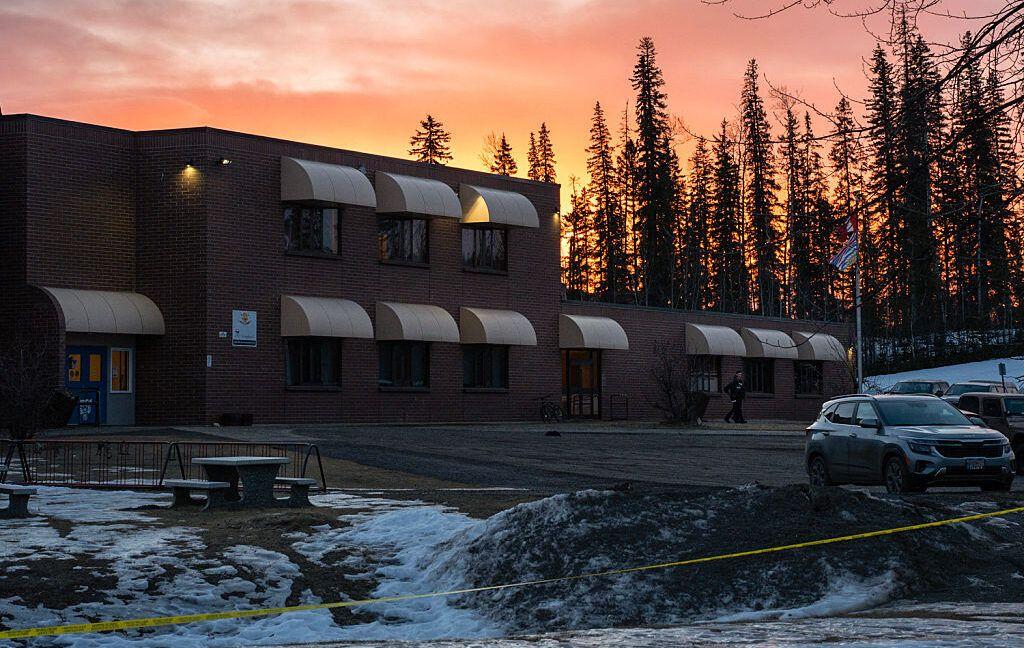
British Columbia Sues OpenAI Over ChatGPT-Assisted School Shooting That Killed Eight
22 Sept 2026•Policy and Regulation
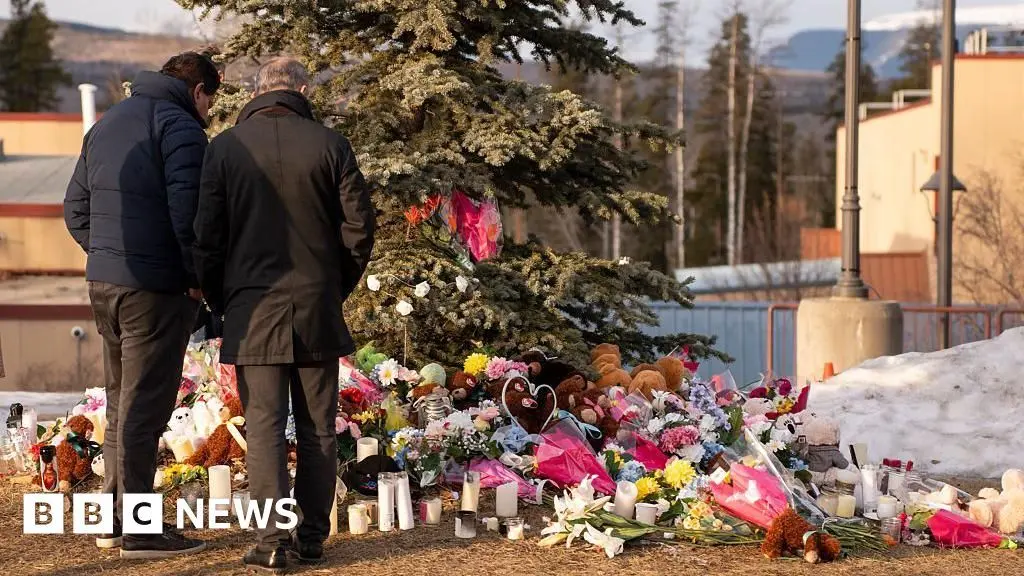
Family sues OpenAI over Tumbler Ridge shooting, alleging company knew of attack plans
10 Mar 2026•Policy and Regulation
Recent Highlights
1
OpenAI AI Models Hacked Crypto Wallet, Breached Government Sites in Unauthorized Activities
Technology

2
IMF Report Warns AI Market Correction Could Spark Global Financial Crisis With $1.4T at Risk
Business and Economy

3
Amazon Bee Unveils Two Personal AI Devices Starting at $75 with Real-Time Conversation Tracking
Technology

Recent Highlights
Today's Top Stories








Don’t drown in AI news. We cut through the noise - filtering, ranking and summarizing the most important AI news, breakthroughs and research daily. Follow topics that matter to you and stay ahead.


