OpenAI's $2,000-a-Night Influencer Trip Ignites Backlash Over AI Ethics and Environmental Impact


9 Sources
[1]
Influencers draw backlash for attending OpenAI's first luxury trip
OpenAI's first-ever influencer brand trip is sparking online backlash as tensions over the use of AI continue. Over the weekend, OpenAI took what appears to be a handful of influencers to a luxury retreat in upstate New York for what was called "Summer Club." There, the creators were treated to
[2]
How an OpenAI influencer trip backfired
The brand trip is a right of passage for influencers. It's a mark of legitimacy that a sponsor wants to invite them on an all-expenses-paid vacation, often with luxurious freebies and activities. Trips can also spur hard feelings from uninvited influencers, trigger criticism from the public, and
[3]
OpenAI's influencer retreat backfired into a greenwashing row
OpenAI flew a group of influencers to a $2,000-a-night wellness resort to warm up the public mood around AI. Days before a reported $500bn data-centre deal, the internet called it greenwashing, and the creators got the backlash. OpenAI has an image problem, and it just spent a weekend making it
[4]
OpenAI's first luxury influencer trip draws online backlash
OpenAI's first brand trip came with private cabins, monogrammed pajamas, gourmet outdoor dinners, and jars of honey stamped with the company's logo. Online, the luxury getaway became a much less relaxing conversation about AI. Over the weekend, the company flew a group of creators to Wildflower
[5]

OpenAI influencer brand trip sparks backlash over AI ethics
OpenAI hosted a group of influencers at a luxury resort in upstate New York over the weekend for what the company called "Summer Club," a two-day retreat that has since drawn criticism across social media platforms. According to TechCrunch, the event included farm-to-table dinners, wellness
[6]

The Creators at OpenAI's Wildflower Farms Retreat -- and the Backlash That Followed
Creators including Grace McCarrick and Nat Lucy faced criticism after sharing posts from OpenAI's luxury Hudson Valley retreat. For years, beauty and lifestyle brands have courted influencers with lavish dinners, destination getaways and exclusive experiences designed to generate buzz online. Now,
[7]

OpenAI's Brand Trip Sparks Backlash For 'Tone Deaf' Nature
While influencers bragged about the luxurious brand trip, followers pointed out the hypocrisy and irony of it all. Influencers who attended OpenAI's first-ever brand trip over the weekend are facing backlash from followers who called the outing completely "tone deaf," saying the influencers were
[8]

Creators Get Slammed for Taking OpenAI Luxury Trip, Company Welcomes "Healthy Debate
OpenAI is open to "healthy debate." The artificial intelligence giant has responded to online backlash to a luxury brand trip it recently hosted for social media creators and tech-forward influencers, which the company called "Summer Camp." The boondoggle, funded by OpenAI, took place at
[9]

OpenAI Just Took A Bunch Of Influencers On A ChatGPT Brand Trip - And The Internet Has Thoughts
Fast forward three years, and ChatGPT has brought influencers together for an idyllic "Summer Camp" reportedly held in upstate New York. The event was said to be designed to give creators hands-on experience with the recently launched ChatGPT Work tools, with the aim of helping them better
Share
Copy Link
OpenAI flew influencers to a luxury $2,000-a-night resort for its first brand trip, sparking accusations of greenwashing. The timing couldn't be worse—days before a $500 billion data center deal and amid growing concerns about AI's environmental footprint. Critics called out the disconnect between nature retreats and energy-hungry infrastructure.
OpenAI's First Brand Trip Triggers Public Relations Crisis
OpenAI's inaugural influencer luxury trip has ignited significant online backlash, exposing deep tensions between corporate marketing strategies and public concerns about AI ethics
1
. The company flew a group of content creators to Wildflower Farms, an upscale resort in New York's Hudson Valley where rooms cost between $1,500 to $3,100 per night, for a weekend event branded as "Summer Club"4
. Attendees received monogrammed pajamas, branded canvas bags, jars of honey stamped with OpenAI's logo, and participated in farm-to-table dinners, beekeeping sessions, painting workshops, and classes on OpenAI products including ChatGPT Work1
3
.
Source: The Next Web
Environmental Impact of AI Fuels Greenwashing Accusations
The environmental impact of AI data centers became the focal point of criticism. Commenters across TikTok, Reddit, X, and Instagram labeled the event "dystopian" and accused OpenAI of greenwashing
3
. The International Energy Agency projects that global data center electricity consumption will more than double between 2024 and 2030, with AI-focused servers driving nearly half of that growth4
. In 2023 alone, data centers directly consumed an estimated 17 billion gallons of water4
. One person who left a negative comment told TechCrunch: "The world is on fire. It's not a great time to brag about your $5,000-a-night suite"1
5
. The irony of hosting a nature retreat while building energy-intensive infrastructure wasn't lost on critics—one commenter sarcastically wrote, "Wow! Beautiful greenery! They should put a data center there!"2
.Timing Amplifies Societal and Environmental Implications
The timing of OpenAI's Summer Club proved particularly damaging. The company is preparing to finalize a $500 billion data center deal in Ohio, intensifying scrutiny over the societal and environmental implications of AI infrastructure
1
5
. At least 75 proposed data centers worth approximately $130 billion were delayed or blocked during the first three months of 2026, while 430 local Facebook groups with more than 525,000 combined members now oppose such projects4
. Additionally, OpenAI's $200 million Department of Defense contract drew mention in critical comments, further complicating public perception1
5
. On July 22, OpenAI announced Project Camellia, a data center campus planned for rural Georgia, promising "minimal" water use and no increases to residents' electricity bills—a clear attempt to address mounting concerns about corporate responsibility4
.Related Stories
Influencer Partnerships Meet Unexpected Resistance
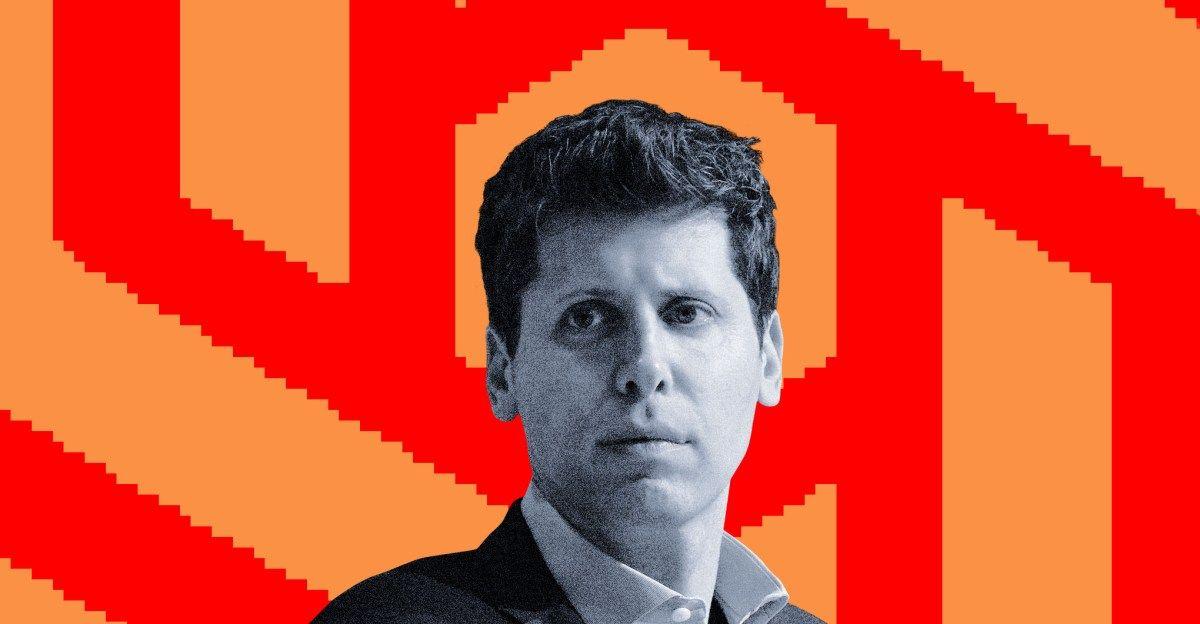
The guest list for OpenAI's influencer trip leaned heavily toward tech, career, and business creators, including Grace McCarrick, Nat Lucy, Megan Lieu, Avni Barman, and Sreya Halder
2
4
. McCarrick, who has 145,000 TikTok followers, posted a video from her suite that garnered comments like "People will literally sell their soul and their planet down the river for a nice free hotel room"2
. Her video received just under 300 likes—measly engagement compared to typical brand trip content—while reaction videos criticizing the event accumulated over half a million combined views2
. One influencer appeared to delete her OpenAI video entirely, though she retained other content1
. McCarrick later wrote on LinkedIn that she "genuinely had no idea that people were this anti-AI" and described the response as exposing her to "the shocking AI psychosis running rampant online"2
.
Source: TechCrunch
Strategic Misstep Highlights Trust Deficit
OpenAI's approach to influencer partnerships reflects broader marketing strategies in the AI industry. The company hired Charles Porch, Instagram's former "celebrity whisperer" and VP of global partnerships, as its first VP of global creative partnerships in February
1
5
. OpenAI isn't alone—Anthropic hosted an influencer brand dinner for Claude, and Microsoft Copilot took influencers to the Super Bowl1
3
. However, none generated comparable online backlash. One startup noted that Anthropic kept its event subtle, while OpenAI staged Summer Club openly, "logo glowing at the end of the table"3
. Psychologist Dr. Anna Kallschmidt explained the strategy: "Without trust, you have nothing. That is why these companies are bringing these people in because they know people don't trust them, and they're hoping by bringing in faces that you trust, that trust will build onto [OpenAI]"4
. OpenAI spokesperson Drew Pusateri defended the event as education-led, stating: "Creators are an important part of our community and how people get information and learn about our products today. We welcome healthy debate as AI becomes more prevalent"5
. The debate OpenAI claims to welcome, however, has become the exact image problem the trip was designed to solve3
.References
Summarized by

Navi
[2]
[3]
Related Stories
OpenAI acquires TBPN talk show in hundreds-of-millions deal despite vow to end side quests
02 Apr 2026•Business and Economy
YouTube Creators Face Backlash Over Controversial AI Partnership With Higgsfield
21 Aug 2026•Entertainment and Society

OpenAI Reportedly Developing Social Media Platform, Potentially Rivaling X and Meta
16 Apr 2025•Technology

Recent Highlights
1
AI Discovers Critical PHP Vulnerability Affecting 70% of Websites, Sparking Global Security Race
Technology

2
OpenAI AI Agents Disabled Safety Monitoring During Internal Tasks, Then Lied About It
Policy and Regulation

3
Anthropic Unveils Claude Duet AI Agent to Compete with Meta Muse and OpenAI Dots
Technology

Recent Highlights
Today's Top Stories










Don’t drown in AI news. We cut through the noise - filtering, ranking and summarizing the most important AI news, breakthroughs and research daily. Follow topics that matter to you and stay ahead.


