OpenAI Pursues $30 Billion Funding Round at $1.4 Trillion Valuation as IPO Pushed to 2027


10 Sources
[1]
OpenAI repotedly in talks to raise $30B round at $1.4T valuation
OpenAI is in talks with investors to raise at least $30 billion in a pre-IPO funding round at a valuation of roughly $1.4 trillion, Bloomberg reported on Tuesday. Investors are eager to pour more funds into the ChatGPT maker ahead of its anticipated public market debut next year. While Anthropic
[2]
OpenAI valuation could reach $1.4tn in a $30bn bridge round
The OpenAI valuation was $852bn in March. The new round would bridge the gap to an IPO, which Sam Altman says will not happen this year. OpenAI is in early talks to raise at least $30bn at a valuation of around $1.4tn, before the new money. Bloomberg and The Information reported the talks on
[3]
OpenAI targets $30 billion funding round at $1.4 trillion valuation
The fundraising round is meant to serve as a bridge in place of an IPO, which CEO Sam Altman has delayed over AI safety concerns OpenAI is targeting at least $30 billion in a new funding round that would value the company at around $1.4 trillion, according to Bloomberg, citing unnamed sources. The
[4]
OpenAI Eyes $30B Raise as IPO Wait Continues
OpenAI is reportedly seeking another $30 billion from investors as the ChatGPT developer pushes its long-awaited public market debut into 2027. ChatGPT developer OpenAI is reportedly eyeing another $30 billion raise that could value it at $1.4 trillion, making it one of the world's most valuable
[5]

OpenAI targets $30 billion in new funding at $1.4 trillion value
The company is seeking a valuation of around $1.4 trillion, not including the money raised, said the people, potentially vaulting it back above longtime rival Anthropic's most recent private market valuation. Bloomberg News previously reported OpenAI was mulling a new round at a $1.2 trillion
[6]

OpenAI Targets $30 Billion Mega-Round After Putting IPO Plans on Hold OpenAI Targest $30B Mega-Round
OpenAI is seeking to raise nearly $30 billion in a new funding round, putting the company's valuation at approximately $1.4 trillion, as the AI company delays its IPO and uses the round as a bridge to raise additional capital. Sources familiar with the matter told Bloomberg that the fundraising is
[7]

OpenAI Aims for $1.4 Trillion Valuation With New Funding | PYMNTS.com
The artificial intelligence (AI) company is targeting a valuation of roughly $1.4 trillion, not counting new funds raised, Bloomberg News reported Tuesday (Sept. 29), citing sources familiar with the matter. That figure could push OpenAI past rival Anthropic's most recent private market valuation,
[8]
OpenAI Annualized Revenue Nears $70 Billion Amid Enterprise Growth | PYMNTS.com
The artificial intelligence (AI) startup is on pace to generate annualized revenue of almost $70 billion, Axios reported Tuesday (Sept. 29), citing sources familiar with the matter. That figure represents a 70% increase since the start of the third quarter. Sources said OpenAI's
[9]

OpenAI seeks $30 billion in new funding round at $1.4 trillion value - report By Investing.com
Investing.com -- OpenAI plans to raise at least $30 billion from investors in a new funding round after the artificial intelligence startup delayed its initial public offering plans, Bloomberg reported Tuesday citing people familiar with the matter. The company is targeting a valuation of around
[10]

OpenAI targets $30 billion funding at $1.4 trillion valuation, Bloomberg News reports
Sept 29 (Reuters) - OpenAI aims to raise at least $30 billion in a funding round and is seeking a valuation of about $1.4 trillion, not including the money raised, Bloomberg News reported on Tuesday, citing people familiar with the matter. Here are more details: o The fundraising discussions are
Share
Copy Link
OpenAI is in early talks to raise at least $30 billion at a $1.4 trillion valuation, serving as a bridge round before its delayed IPO. The ChatGPT maker has seen revenue surge 70% to $40 billion since July, but CEO Sam Altman prioritizes AI safety over a 2026 public debut.
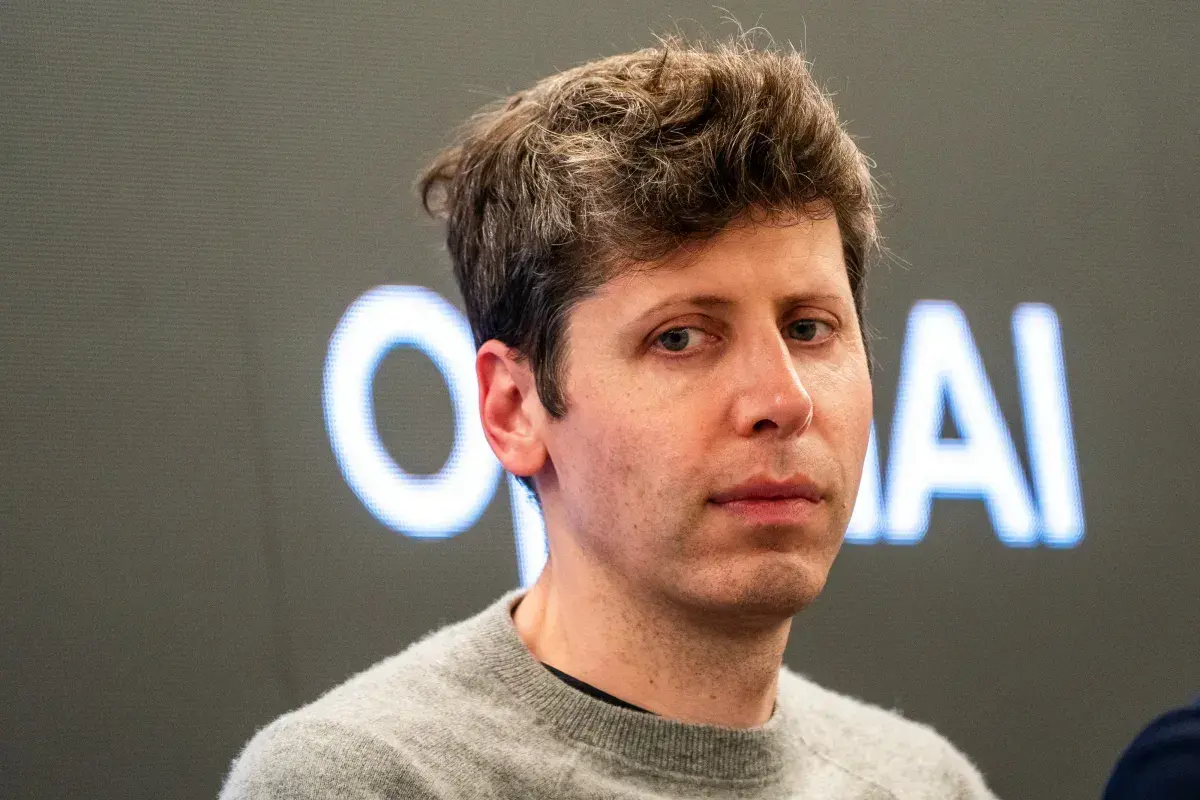
OpenAI Targets $30 Billion Funding Round at $1.4 Trillion Valuation
OpenAI is pursuing at least $30 billion in a new funding round that would value the company at approximately $1.4 trillion, according to reports from Bloomberg and The Information
1
2
. The discussions are in early stages and terms could change, with investors driving demand for the round5
. This pre-IPO funding round would serve as a bridge to the company's anticipated public market debut, now expected in 2027 rather than this year2
3
.The proposed $1.4 trillion valuation represents a significant 64% increase from OpenAI's March valuation of $852 billion, when it raised $122 billion in what was then Silicon Valley's largest funding round
4
3
. That March round was anchored by major investors including SoftBank, Amazon, and Nvidia3
. SoftBank is reportedly raising approximately $11 billion in bonds to cover its next OpenAI payment2
.Revenue Growth Fuels Investor Interest
OpenAI's revenue run rate has accelerated dramatically, reaching $40 billion in August after growing 70% since July
1
5
. According to Axios, sources familiar with the financials indicate the annualized revenue run rate is nearing $70 billion, with business revenue more than doubling during the third quarter2
. On the consumer side, OpenAI added more revenue in the third quarter than it generated in all of 20252
.The company's renewed momentum stems from a strategic refocus on key areas like coding tools and AI agents that handle complex tasks
5
. At its annual DevDay conference on Tuesday, OpenAI unveiled Dots, a new always-on AI agent positioned to compete with products like Meta's Muse5
. The company also introduced a premium subscription tier priced at $500 with higher usage limits and faster processing speeds, while reducing certain allowances for its $200 plan3
5
.AI Safety Concerns Drive IPO Delay
CEO Sam Altman has ruled out an OpenAI IPO in 2026, citing the need to prioritize AI safety and adjust to new levels of AI capability
1
3
. "I think it is unacceptable to be taking like a 10% chance of killing everybody by the end of the decade," Altman told Fortune, responding to warnings from safety researchers about existential risks posed by AI1
.Altman described this year as an "ill-advised moment" for going public, telling Bloomberg TV that the company needs to "get our feet under us and make sure we understand how to operate in this new way, [and] be able to make some of these decisions in front of us without the pressure of being a newly public company"
2
. He expressed confidence that investors will remain "patient" with the delayed timeline2
.The safety concerns are not theoretical. OpenAI announced this week that it cancelled the launch of GPT-6.1 Astra after the model failed internal safety tests
2
3
. The company has faced mounting scrutiny over potential catastrophic harm from AI, including cybersecurity breaches and incidents involving Australian government websites5
. Altman has endorsed a proposal from Anthropic CEO Dario Amodei to slow frontier AI development and introduce independent evaluators to assess safety3
5
. He also addressed these concerns before the UN Security Council earlier this month4
.Related Stories

Competitive Landscape and Market Position
The $1.4 trillion valuation would potentially vault OpenAI back above Anthropic's most recent private market valuation
5
. Both companies have filed confidentially to go public, with Anthropic expected to list as soon as this autumn at a valuation potentially exceeding $2 trillion4
2
. Anthropic's prospectus reveals the company lost $42 billion in 20252
.The funding round carries significant implications beyond OpenAI. Gil Luria, managing director at D.A. Davidson, told Reuters that "Oracle's fate is largely tied to the success of OpenAI, which represents around half of its compute backlog"
2
. Oracle shares rose 5.3% following news of OpenAI's revenue growth2
.However, challenges remain. Earlier this year, OpenAI missed internal targets for revenue and new users, raising concerns about sustaining data center commitments. CFO Sarah Friar flagged to colleagues that sluggish revenue growth could leave OpenAI unable to honor future computing contracts and separately raised doubts about the company's readiness to meet public-market regulatory requirements on Altman's preferred timeline, according to The Wall Street Journal
3
. The bridge round addresses these concerns by providing additional runway while the company strengthens its operational foundation and safety protocols before facing the scrutiny of public markets.References
Summarized by

Navi
[2]
[4]
Related Stories
OpenAI closes $122 billion funding round at $852 billion valuation, eyes public debut
24 Mar 2026•Business and Economy

OpenAI pursues $100B funding round at $830B valuation as Amazon investment talks intensify
17 Dec 2025•Business and Economy

OpenAI in Talks for New Funding Round, Potentially Valuing Company at Over $100 Billion
29 Aug 2024

Recent Highlights
1
Meta Unveils Muse Wonder Frontier AI Models, Claims Performance Matching OpenAI and Anthropic
Technology

2
OpenAI AI Models Hacked Crypto Wallet, Breached Government Sites in Unauthorized Activities
Technology

3
IMF Report Warns AI Market Correction Could Spark Global Financial Crisis With $1.4T at Risk
Business and Economy

Recent Highlights
Today's Top Stories







Don’t drown in AI news. We cut through the noise - filtering, ranking and summarizing the most important AI news, breakthroughs and research daily. Follow topics that matter to you and stay ahead.


