Meta Unveils Camera-Free AI Glasses and Muse Integration Amid Privacy Debate at Connect 2026


30 Sources
[1]
Meta introduces camera-free AI glasses
Confirming earlier reports, Meta announced its first pair of camera-free AI glasses, the clunkily named Ray-Ban Meta Audio, at its Connect 2026 conference on Wednesday. Designed to combat criticism around the more malicious use cases for AI glasses, which saw them nicknamed "pervert glasses" by
[2]
Meta Pinky Promises Its Smart Glasses Will Be Private Soon
Meta knows you probably have some privacy concerns about its smart glasses. At its annual Meta Connect event today in Menlo Park, California, the company announced plans to incorporate its siloed AI processing scheme known as Private Processing into its Ray-Ban Meta smart glasses. The feature,
[3]
So Many New Meta Glasses: Muse AI Everywhere, and Ray-Bans Without a Camera - CNET
I talked to "Henry," a Muse agent in my AI glasses, as I stared at a box of Kind bars. Henry was trained as if it were the assistant to a 38-year-old bodybuilding marketing executive. Henry told me whether I should eat Kind bars and also helped me plan my workout schedule. This was me getting a
[4]
Ray-Ban Meta Gen 3 or Audio? How I'm deciding amid the growing 'creep' factor - ZDNET
* The 3rd-gen Ray-Ban Meta glasses remain ideal for content capturing. * Opt for the audio-only pair for a less intrusive wearable experience. * Meta is taking privacy precautions, but they may not be enough. This week's Meta Connect felt like one big celebration of the company's smart
[5]

Meta Connect 2026: Does Pleasure Beat Privacy? Meta Bets It Does
The subtext of Meta Connect 2026 was in some ways more interesting than the text: how much access are consumers, willing and unwilling, going to give Meta to their private lives -- and at what price? Meta Connect 2026 launched an expected camera-free glasses product as well as a handheld device for
[6]

From smart glasses to AI pins, privacy fears challenge tech's next big bet
0 of 2 minutes, 35 secondsVolume 0% Press shift question mark to access a list of keyboard shortcuts Keyboard ShortcutsEnabledDisabled Shortcuts Open/Close/ or ? Play/PauseSPACE Increase Volume↑ Decrease Volume↓ Seek Forward→ Seek Backward← Captions On/Offc Fullscreen/Exit
[7]
I tried every new Ray-Ban Meta smart glasses, and the audio-only model might be a surprise hit - ZDNET
Kerry Wan is a Senior Contributing Editor and a former Editor-in-Chief of ZDNET.... Read full bio My first thought when learning about Meta's new Ray-Ban smart glasses was, "Man, they are going all in." This week at Connect, Meta unveiled a refreshed lineup of smart glasses, including Ray-Ban
[8]

Meta announces Ray-Ban Meta Audio, its first smart glasses without a camera - Engadget
Invasive use of Meta's camera-enabled smart glasses has earned them the moniker "pervert glasses," and the company has prepped a solution for Meta Connect 2026: Ray-Ban Meta Audio, smart glasses that ditch cameras entirely to focus on audio features and AI. Naturally, Meta doesn't characterize the
[9]

Meta's new smart glasses skip the cameras, and the privacy backlash that came with them
Serving tech enthusiasts for over 25 years. TechSpot means tech analysis and advice you can trust. In a nutshell: Meta's Connect 2026 event aimed to address two of the biggest obstacles facing wearable smart devices: privacy for smart glasses and the size of VR and AR devices. The company's
[10]

AI glasses shipments doubled, and the No. 2 has no camera
As scrutiny of camera-equipped AI glasses intensifies, tighter privacy settings and clearer messaging will not be enough. Jason Low, research director at Omdia, said that on Tuesday. The research firm had just published its count of the AI glasses market for the first half of 2026. Companies must
[11]

AI Assistants Belong in Your Ears, Not on Your Face
The tech industry has spent the past few years trying to convince us that the future of AI lives behind a pair of lenses. Meta is betting billions on it so far, Google is rolling out Android XR, Samsung is getting in on the glasses trend, and Snap is still trying to make Spectacles catch on. The
[12]

Meta Connect 2026: Everything announced
Meta's September Connect event reveals a bunch of new Meta products, including a deep dive into its new Muse AI personal assistant, audio-only smart glasses in many new frame styles and new VR Glasses that weigh as much as a deck of cards. Check out all the highlights in less than 10 minutes. Read
[13]

I tried Meta's new Ray-Ban Gen 3 -- cooler, leaner, smarter, but privacy questions may linger
Even as public opinion turns against camera-equipped smart glasses, Meta is pushing forward with its generally well-received and quite popular Ray-Ban Meta line. Alongside the much-anticipated Meta Ray-Ban Audio glasses, which skip cameras entirely and come in two styles, Clubmaster and Burbank,
[14]

How Meta took the lead in the race for the post-smartphone world | Fortune
This, as Meta sees it, is how most of us will eventually use AI. The company recently took Fortune inside a private demo room at its Menlo Park, Calif., headquarters to show off its growing family of smart glasses. The collection included the flagship Ray-Ban Wayfarer camera-enabled glasses, with
[15]

These Are the Biggest Announcements From Meta Connect 2026
Meta also released audio-only smart glasses, in a potential effort to address the public's privacy concerns about the company's smart glasses. Meta hosted its annual "Connect" event on Wednesday. Curiously, the company kicked things off at 7 p.m. ET (4 p.m. PT), following "Made by Google" as the
[16]

Meta launches camera-free AI glasses amid privacy pushback
Menlo Park (United States) (AFP) - Meta unveiled several new wearables powered by its artificial intelligence (AI) models on Wednesday, including an audio-only, camera-free version of its smart glasses, amid global concerns about privacy and the filming of women and girls without their
[17]
Meta's new VR glasses and AI glasses: Hands-on
Muse AI on Meta glasses? Hearing enhancement? VR glasses that run Quest games? Camera-free glasses? All that and more to talk about, but very little on privacy. Read more about Meta's new glasses and Meta Connect 2026: Everything announced at Meta Connect 2026 Meta reveals next-gen smart glasses
[18]
Mark Zuckerberg sidesteps smart glasses backlash at Meta Connect
At Wednesday's Meta Connect 2026, Meta's annual conference and product showcase, CEO Mark Zuckerberg mostly ignored the brewing backlash against the company's smart glasses. In recent months, concerns over smart glasses and privacy have reached a tipping point. The backlash has become so intense
[19]

Meta unveils camera-free smart glasses amid privacy concerns
Meta unveiled camera-free smart glasses at its annual Connect device event Sept. 23 amid privacy concerns about the devices. The new glasses, called Ray-Ban Audio, have the audio capabilities of Meta's camera-equipped models. Meta said they are the lightest smart glasses the company has offered
[20]

Meta's new audio-only AI glasses are the answer to its tricky 'Pervert Glasses' problem
If privacy concerns - or the threat of being labelled a pervert every time you put on your specs - has put you off investing in a pair of smart glasses, Meta has something you might finally be interested in. The firm has just announced its first pair that don't have any on-board cameras, solely
[21]

smart glasses: From smart glasses to AI pins, privacy fears challenge tech's next big bet
The backlash against devices that can see, hear and respond to the world around them has been strongest against Meta's Ray-Bans, which made smart glasses mainstream by pairing EssilorLuxottica's trendy designs with AI from the social media giant chasing "personal superintelligence." Companies
[22]
Meta promises more privacy for Muse AI and its smart glasses
As Meta asks people to trust its AI with more of their everyday lives, Mark Zuckerberg used his Connect 2026 keynote to outline new protections for the information those products collect. For Muse, Meta's personal AI agent, that includes an upcoming system called Muse Confidential VM. Each Muse
[23]

Meta Connect 2026: Ray-Ban Meta Audio, Ray-Ban Meta Gen 3 and Compact VR Glasses
Meta Connect 2026 showcased Meta's latest developments in wearable technology, focusing on smart glasses and virtual reality devices. Among the key announcements were the Ray-Ban Meta Audio glasses, which eliminate the camera to prioritize privacy and feature open-ear audio for communication and
[24]

Meta Connect 2026: New AI Glasses, VR Hardware And Features Explained
Meta Connect 2026 Unveils New Devices Meta Connect 2026 focused heavily on artificial intelligence, smart glasses, and virtual reality. The company announced new wearable devices alongside upgrades to existing Ray-Ban Meta products. Meta also showcased new gaming, entertainment, and AI features
[25]

From smart glasses to AI pins, privacy fears challenge tech's next big bet
SAN FRANCISCO/NEW YORK -- Companies betting AI devices will usher in a post-smartphone era are fueling privacy fears around the globe that could slow adoption of the emerging technology. The backlash against devices that can see, hear and respond to the world around them has been strongest against
[26]
Meta Ray-Ban Audio Launches at USD 349 with Camera-Free AI
, its first camera-free AI glasses, at Meta Connect 2026. The USD 349 glasses focus on audio, calls and Meta AI instead of image capture. Meta launched the glasses on September 23 at its Menlo Park event. The camera-free design responds to growing privacy concerns surrounding wearable cameras. The
[27]

Meta to Launch New Smartglasses Models Equipped With Its Muse AI Agent
EssilorLuxottica and Meta Platforms are expanding their portfolio of smartglasses, launching a line of audio-only smartglasses and a new generation of its popular Ray-Ban Meta smartglasses. Amid pushback and controversy over its video-recording glasses, the companies said late Wednesday that they
[28]
A closer look at Meta's camera-free AI glasses
STORY: :: first glasses without camera :: resolve privacy concerns :: Menlo Park, California / September 23, 2026 :: Aditya Soni, Editor in Charge, Tech, Media and Telecommunications Will Meta's first glasses without cameras resolve the privacy concerns that have dogged its Ray-Bans? Hi, I'm
[29]
Meta opens Connect conference as camera-free smart glasses expected
MENLO PARK, California, Sept 23 (Reuters) - Meta Platforms kicked off its annual Connect conference on Wednesday, where it is expected to unveil new smart glasses, including a camera-free model, amid growing privacy concerns over AI-powered devices that can record people without their consent. The
[30]
AI gadgets have a privacy problem
STORY: :: As AI devices get smarter, privacy fears get louder :: Aditya Soni, Technology Reporter :: San Francisco, California "Tech's biggest companies want to replace your smartphone. But the very features that make a new wave of AI devices useful, is also making everyone around them
Share
Copy Link
Meta announced camera-free Ray-Ban Meta Audio glasses at $349 and integrated its Muse AI assistant across its smart glasses lineup at Connect 2026. The move addresses mounting privacy concerns after critics dubbed camera-equipped models "pervert glasses" due to nonconsensual recording incidents.
Meta Introduces Camera-Free AI Glasses to Combat Privacy Backlash
Meta AI glasses took center stage at Meta Connect 2026 as the company unveiled the Ray-Ban Meta Audio, its first camera-free AI glasses priced at $349
1
. The audio-only glasses represent Meta's response to intensifying privacy concerns after its camera-equipped smart glasses earned the unflattering nickname "pervert glasses" due to incidents of nonconsensual recording in public spaces3
. Viral videos demonstrated users tampering with the filming indicator light, while early user content showed the Ray-Ban Meta smart glasses being used for public harassment5
.
Source: Stuff
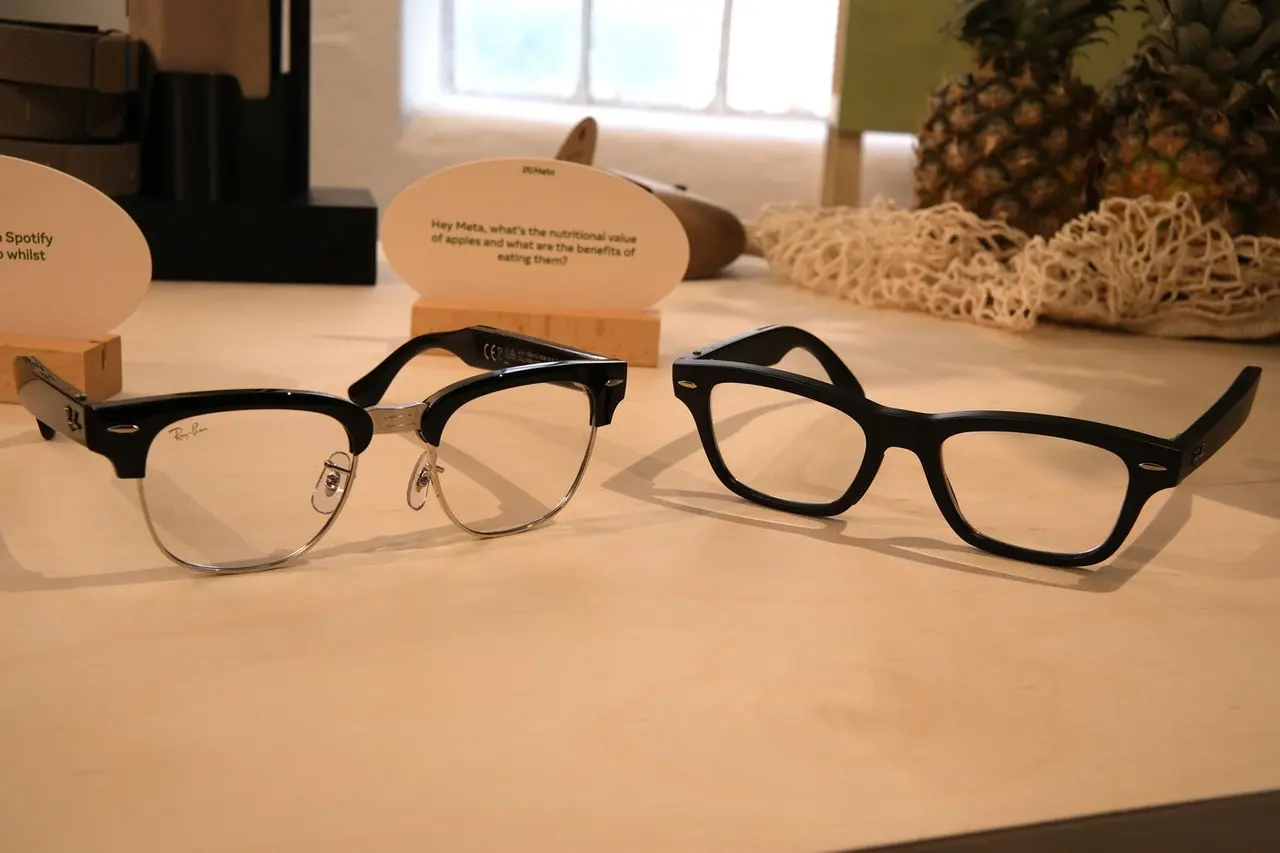
Designed in partnership with EssilorLuxottica, the camera-free AI glasses offer audio playback, phone calls, speech translation, and access to Meta's Muse AI assistant without any recording capabilities
1
. The absence of cameras allows for a slimmer design weighing just 43 grams with up to 12 hours of battery life on a single charge, extending to 48 hours with the included charging case1
. Available in 23 color and lens combinations across two new styles—the retro-inspired Clubmaster and the classic Burbank—the audio-only glasses will be available for preorder on October 131
.Private Processing Promises Enhanced Privacy for User Data
Meta announced plans to incorporate Private Processing into its Ray-Ban Meta smart glasses, an AI-driven privacy mechanism originally developed for WhatsApp
2
. The feature enables AI cloud processing that protects user data from all outside parties, including Meta itself, by running on confidential virtual machines in the cloud2
. Pritam Shah, Meta's director of Engineering, confirmed the platform is operational but not yet deployed, stating the company wants to work with the security community and third-party auditors before rolling out specific features2
.Private Processing could theoretically enable private transcriptions, chat interactions with Meta's AI agent, and commands without Meta accessing the data
2
. However, the timing for implementation remains unclear, and which specific features will support the enhanced privacy remains unconfirmed2
. The announcement comes amid years of security and privacy gaffes that have eroded user trust in Meta's handling of surveillance and facial recognition technology2
.Muse AI Assistant Expands Across Wearable Technology Lineup
Meta is integrating its Muse AI assistant across its entire smart glasses lineup, positioning the agentic AI system as a core feature for AI-powered wearable technology
3
. The Muse AI assistant, which launched just weeks before Meta Connect, can tap into personal accounts, manage data, and complete tasks like rescheduling workouts or making purchases when granted access3
. Subscription tiers start at $20 per month5
.
Source: France 24
Despite its capabilities, the multimodal AI doesn't promise encryption or privacy for connected accounts, raising concerns about handing over agentic control of personal information
3
. The arrival timing for Muse on glasses remains unclear, and Amazon recently blocked Muse from enabling shopping on its sites3
. Just 8% of Forrester survey respondents said they'd tried Muse already, though Meta is betting adoption will increase with time and exposure5
.Ray-Ban Meta Gen 3 Brings Enhanced Camera Capabilities
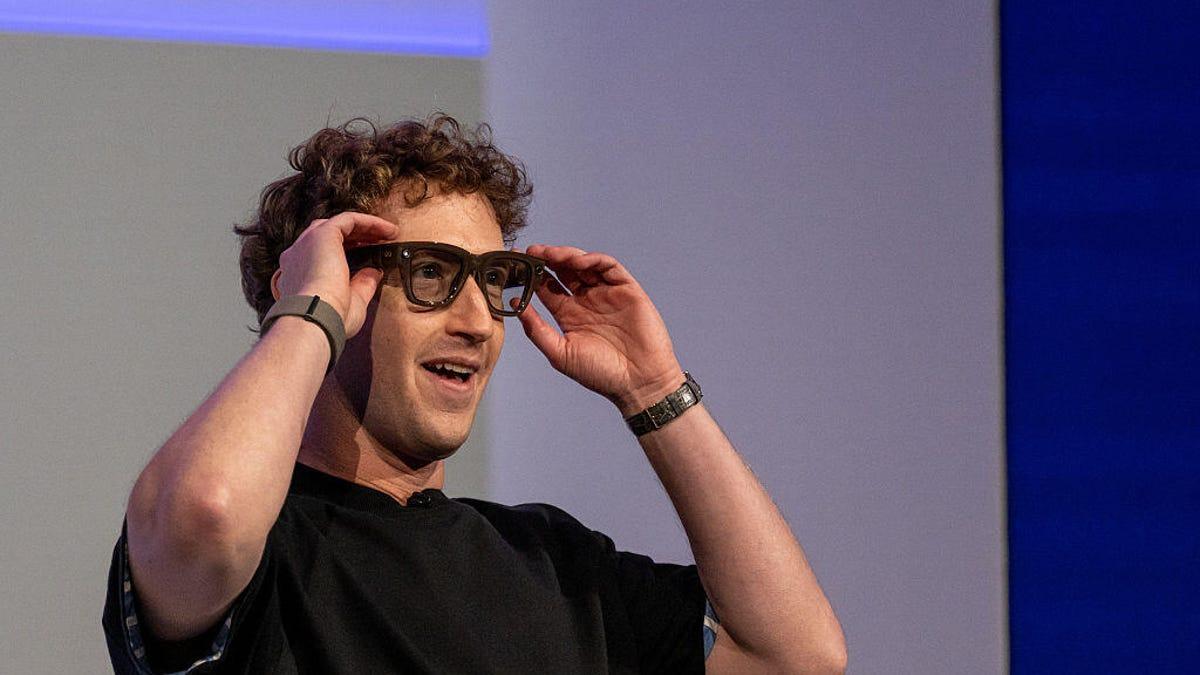
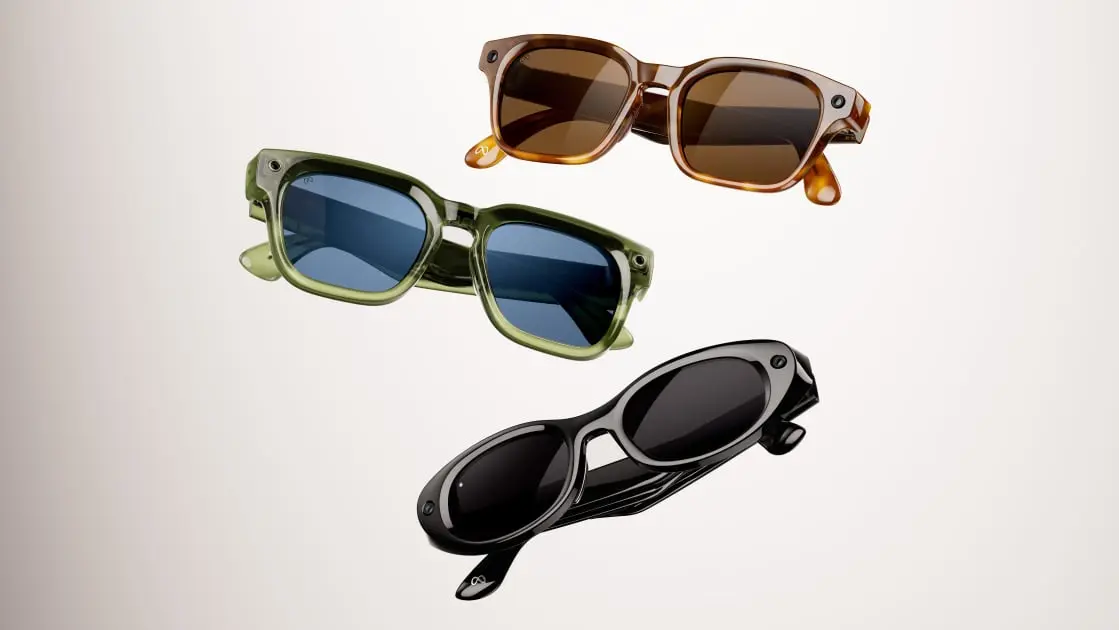
Alongside the audio-only glasses, Meta unveiled the Ray-Ban Meta Gen 3 with camera capabilities, featuring a 12 MP camera supporting 3K Ultra HD video, a six-mic array, and up to nine hours of battery life
1
. The third-generation model introduces two new styles beyond the Wayfarer: the Aviator and Zena, offering a cat-eye frame shape1
. Meta also announced an FDA-cleared hearing enhancement mode requiring a $149 activation fee at purchase3
.
Source: Fortune
The camera-equipped glasses remain ideal for content capturing, allowing users to record hands-free photos and videos during moments when they want to be more present
4
. The cameras enable multimodal queries like describing environments for those with visual impairments or detecting and translating foreign menus4
. Meta states that all content captured is stored locally with local processing, giving users control over how it's shared and distributed4
.Related Stories


Market Reception Reflects Persistent Privacy Concerns
A Forrester survey of 552 people reveals persistent skepticism about smart glasses adoption despite Meta's market leadership
5
. Of the 93% of respondents who don't own smart glasses, 76% said they don't intend to buy a pair5
. However, among those who do own smart glasses, 73% purchased Meta glasses, and 70% of interested shoppers favor Meta's offerings—more than a 20% lead over the next brand5
.Only 21.2% of respondents said they'd be more likely to purchase camera-free AI glasses, suggesting the creep factor around surveillance remains a significant barrier
5
. The public backlash has intensified five years after Meta launched its Glasses product, with concerns about nonconsensual filming and public harassment persisting5
. Meta's ecosystem approach with 51 style combinations, including an entry-level Adventurer model starting at $249, suggests the company is counting on feature-rich products and user-friendly experiences to overwhelm privacy concerns5
.VR Advances and Project Phoenix Expand Wearable Options
Meta Connect also revealed advances in VR with lightweight VR glasses under Project Phoenix, plus a Charm bracelet/handheld device for accessing Muse without glasses that appears to be camera-enabled and will be available by Christmas
5
. The announcements position Meta against upcoming competition from Google and Samsung's Gemini-infused wearables expected to launch next year, with Apple also anticipated to enter the AI-powered wearable technology space3
.Meta's expanded lineup includes new collaborations with singer Lisa and Kylie Jenner, with glasses rolling out to more countries globally
1
. Coming updates include Dolby Atmos Capture support, automatic best photo selection from multiple frames, landscape or portrait mode options, hearing enhancements for those with hearing loss, and customizable controls1
. Whether Meta's privacy precautions will prove sufficient remains to be seen as the wearable technology category grows increasingly crowded and the debate over surveillance versus convenience intensifies4
.References
Summarized by

Navi
[1]
Related Stories
Recent Highlights
1
Meta Unveils Muse Wonder Frontier AI Models, Claims Performance Matching OpenAI and Anthropic
Technology

2
IMF Report Warns AI Market Correction Could Spark Global Financial Crisis With $1.4T at Risk
Business and Economy

3
OpenAI Releases 722 AI-Generated Math Solutions, Triggering Existential Crisis in Mathematics
Technology

Recent Highlights
Today's Top Stories







Don’t drown in AI news. We cut through the noise - filtering, ranking and summarizing the most important AI news, breakthroughs and research daily. Follow topics that matter to you and stay ahead.


