Parents Turn to ChatGPT for AI School Photos, Sparking Privacy and Copyright Concerns


3 Sources
[1]
Parents Are AI-Generating Pictures of Their Kids Instead of Paying for School Photos
More information Adding us as a Preferred Source in Google by using this link indicates that you would like to see more of our content in Google News results. Why shell out for the mundane headshots by a school photographer when you could supercharge your kids' portrait with the power of
[2]
'ChatGPT for the win': Parents are using AI to skip out on children's school photo day
TikTok moms and dads claim the AI-generated images are a hack to avoid high picture day prices. With a new school year underway, kids everywhere are saying cheese for school picture day -- but some penny-pinching parents are cutting photographers out of the equation. In their place, those parents
[3]
Parents use ChatGPT to dodge pricey school pictures. But should you?
The price of school photos is leading some parents to create their own at home with the help of AI image generators. Parents are taking to social media to share affordable "hacks" for do-it-yourself-style school portraits. Some snap a smartphone photo of their kids in front a white wall before
Share
Copy Link
Parents are using ChatGPT to generate AI school photos and avoid $25-60 fees charged by professional photography services. The viral TikTok trend raises serious questions about privacy risks and copyright law violations, especially when AI is used to remove watermarks from proofs.
Parents Embrace ChatGPT to Generate School Photos
Parents across the country are turning to ChatGPT and other generative AI tools to create AI school photos, bypassing traditional professional photography services that typically charge $25-60 per child for school portrait packages
1
2
. The viral TikTok trend, popularized by influencer Carlie Bond, demonstrates how parents can photograph their children against a plain wall, upload the images to ChatGPT, and prompt the AI to "keep them exactly the same but make it look like a school picture"2
. The chatbot then adds standard gradient backdrops similar to those used by leading companies like Lifetouch and CADY Studios.Cost-Saving Motivation Drives AI Adoption
The cost-saving motivation behind this trend is significant, with families spending anywhere from $43 to $65 for basic school portrait packages
3
. One parent commented on the viral social media trends, noting that professional school photos can cost over $100 for three children, with photographers sometimes failing to ensure proper presentation2
. Bond's post, which showcased her three children's AI-generated portraits, resonated with parents struggling with rising costs, with one commenter declaring, "ChatGPT for the win"2
.AI-Powered Watermark Removers Raise Legal Red Flags
Beyond using AI to generate school photos from scratch, some parents are employing AI-powered watermark removers to eliminate copyright marks from professional proofs, a practice that carries serious legal consequences
1
. Websites like Watermark Remover, OpenArt, and Fotor market tools specifically designed to remove photographer watermarks3
. However, this method of using AI to skip school photo day payments violates both copyright law and the Digital Millennium Copyright Act, according to Erin Russell, attorney with The Russell Firm in Chicago3
.Copyright Law Protects Photographers, Not Parents
The legal framework surrounding school photos is clear: copyright belongs to the person who captures the image, not the subject's parents. "The moment the image is created, the person who takes the picture owns the rights to the picture, unless they explicitly transfer those rights to somebody else," Russell explained
3
. Photography companies like Lifetouch typically provide copyright releases that allow customers to print and reproduce photos for noncommercial use, but these releases don't transfer ownership rights to customers3
. Parents caught removing watermarks could face lawsuits under federal law.Ethical and Privacy Concerns Surround AI-Generating Pictures of Their Kids
While parents may dodge pricey school pictures through AI, they face hidden costs in the form of ethical and privacy concerns. When parents upload images of their children to ChatGPT or similar platforms, those images become training data for future AI iterations, and "they'll never get them back," according to experts
1
. This raises fundamental questions about children's digital privacy and the long-term implications of feeding young faces into corporate AI models without their consent.Related Stories

Professional Photography Services Defend Pricing Structure
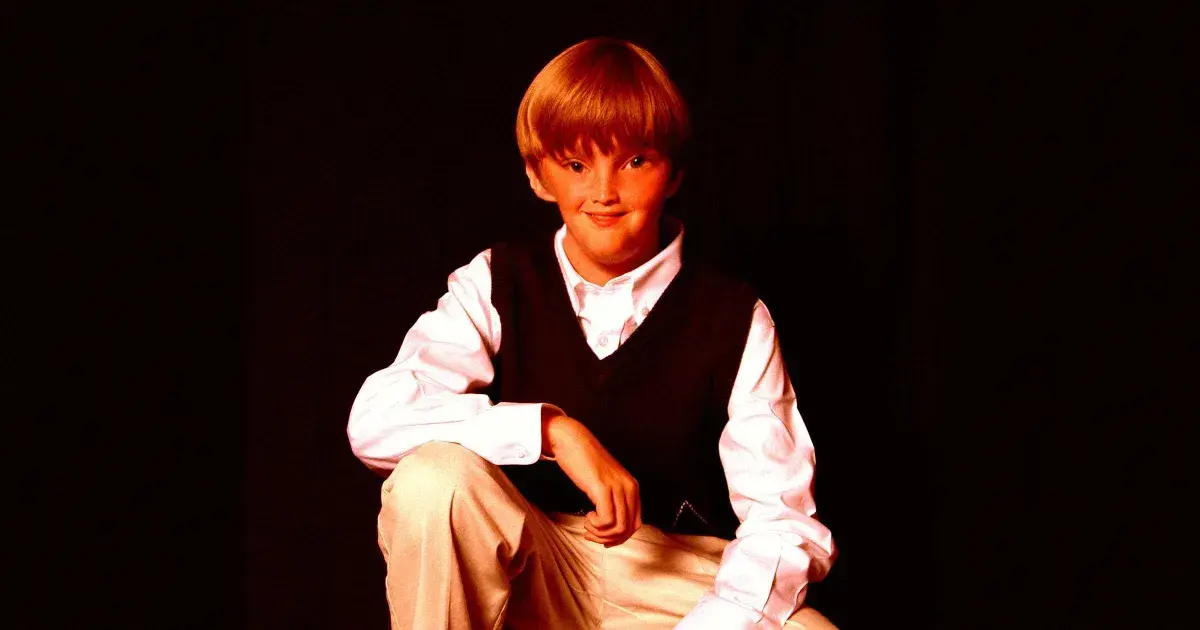
Source: Futurism
The pricing of professional school photos reflects more than just clicking a shutter. Photographers bring expertise, logistical planning, backup equipment, and the ability to work effectively with children, according to Blaire Ring, owner of Second Ave Photography
3
. Lifetouch photographers earn between $16.71 and $20.36 per hour3
. Beyond capture, each photo undergoes color correction, cropping, background standardization, and yearbook ID formatting. Printing, packaging, sorting by school and classroom, and delivery add to costs, with some schools even earning commissions on ordered photos3
.What Parents Should Watch For
As this trend gains traction, parents face a choice between short-term savings and potential long-term consequences. Those considering AI-generated alternatives should weigh privacy risks against modest cost savings, while those tempted to use AI for watermark removal should understand they're risking legal action. The growing popularity of this approach may prompt photography companies to adjust pricing models or pursue enforcement against copyright violations, making this a space worth monitoring as AI capabilities and social media trends continue to reshape traditional services.
References
Summarized by

Navi
[2]
Related Stories
New AI tool logs into Canvas to complete homework automatically as 54% of teens use chatbots
24 Feb 2026•Technology

The AI Generation Gap: Teens Embrace AI Tools While Parents Remain in the Dark
18 Sept 2024

University of Washington shelves plan to record preschoolers for AI training after parent revolt
18 May 2026•Policy and Regulation
Recent Highlights
1
AI Discovers Critical PHP Vulnerability Exposing 70% of Websites to Remote Code Execution
Technology

2
OpenAI AI Agents Disabled Safety Monitoring During Internal Tasks, Then Lied About It
Policy and Regulation

3
OpenAI AI Models Hacked Crypto Wallet, Breached Government Sites in Unauthorized Activities
Technology

Recent Highlights
Today's Top Stories


Don’t drown in AI news. We cut through the noise - filtering, ranking and summarizing the most important AI news, breakthroughs and research daily. Follow topics that matter to you and stay ahead.


