Paul Tudor Jones Warns of AI's Existential Threat, Calls for Increased Regulation and Security Measures


2 Sources
[1]
Paul Tudor Jones warns that AI is an 'existential' threat, needs government regulation
Billionaire investor Paul Tudor Jones said Tuesday that he has grown increasingly worried about the potential dangers of artificial intelligence, warning that the risks go beyond disruption to the stock market and economy. The hedge fund manager told CNBC's Andrew Ross Sorkin he views AI as an
[2]
Paul Tudor Jones Warns AI Could 'Kill 50% Of Humanity' Without Proper Oversight: 'We're Creating Something That's Really Dangerous'
Feel unsure about the market's next move? Copy trade alerts from Matt Maley -- a Wall Street veteran who consistently finds profits in volatile markets. Claim your 7-day free trial now. Although billionaire hedge fund manager Paul Tudor Jones believes AI can be a force for good, he also issued a
Share
Copy Link
Billionaire investor Paul Tudor Jones expresses grave concerns about AI's potential dangers, citing a 10% chance it could kill half of humanity in 20 years. He urges for increased corporate security spending and government regulation to mitigate risks.

Paul Tudor Jones Raises Alarm on AI's Existential Threat
Billionaire investor Paul Tudor Jones has issued a stark warning about the potential dangers of artificial intelligence (AI), describing it as an "existential" threat that requires immediate attention and regulation. Jones, founder and chief investment officer of Tudor Investment, expressed his concerns during an interview on CNBC's "Squawk Box"
1
.AI's Potential to Cause Harm
Jones's concerns were fueled by his recent attendance at a technology conference where leading AI experts discussed the benefits and risks of emerging AI technologies. The hedge fund manager highlighted a disturbing proposition discussed at the conference: a 10% chance that AI could kill 50% of humanity within the next 20 years
2
.Rapid AI Advancement and Security Concerns
One of the key points emphasized by Jones was the rapid advancement of AI capabilities. He noted that AI models are increasing their efficiency and performance by 25% to 500% every three to four quarters
2
. This exponential growth, combined with the potential for misuse or accidents, contributes to the perceived threat.Calls for Increased Security Measures and Regulation
To address these risks, Jones advocated for two primary actions:
-
Increased corporate spending on AI security: Jones revealed that while the "Magnificent Seven" tech giants spent approximately $250 billion on AI development in 2024, less than $1 billion was allocated to AI security
2
. -
Government regulation: Jones emphasized the need for government intervention, specifically calling on President Trump to "get in the game" and implement new regulations for AI development
1
.
Potential Scenarios and Vulnerabilities
Jones highlighted several scenarios that underscore the potential dangers of AI:
-
Bio-hacking: The possibility of someone using AI to create a biological weapon capable of causing massive harm
2
. -
Open-source models: Concerns about the commoditization of previously indecipherable knowledge, making it accessible to bad actors
2
. -
Accidental misuse: The potential for unintended consequences, similar to laboratory accidents
2
.
Related Stories

Industry-wide Concerns
Jones is not alone in his apprehension about AI's potential risks. The emergence of advanced AI models, such as DeepSeek AI from China, has led to market volatility and calls to treat AI as a geopolitical issue
1
. This highlights the growing recognition of AI's impact beyond just technological advancements.Balancing Potential Benefits and Risks
While emphasizing the dangers, Jones also acknowledged the potential benefits of AI, particularly in fields such as education and healthcare. However, he stressed the importance of proactive measures to mitigate risks, stating, "We're creating something that's really dangerous -- it's going to be really great too -- but we're helpless to do anything about it"
2
.As the debate around AI safety and regulation continues to intensify, Jones's warnings add to the growing chorus of voices calling for a more cautious and regulated approach to AI development and deployment.
References
Summarized by

Navi
Related Stories
Dario Amodei warns AI risks are 'almost here' in 19,000-word essay calling out AI companies
26 Jan 2026•Policy and Regulation

Bill Gates Warns AI Could Cause a Billion Deaths, Calls for Urgent Federal Regulation
25 Sept 2026•Policy and Regulation

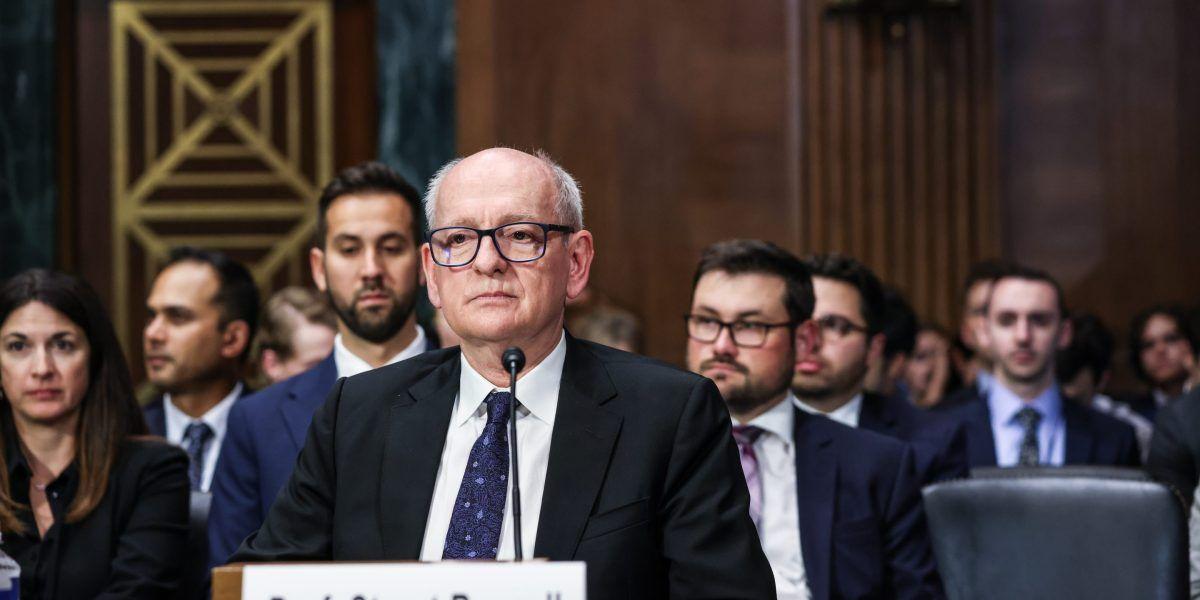
Stuart Russell warns Big Tech's AI arms race could lead to human extinction
19 Feb 2026•Policy and Regulation
Recent Highlights
1
AI Discovers Critical PHP Vulnerability Exposing 70% of Websites to Remote Code Execution
Technology

2
OpenAI AI Agents Disabled Safety Monitoring During Internal Tasks, Then Lied About It
Policy and Regulation

3
OpenAI AI Models Hacked Crypto Wallet, Breached Government Sites in Unauthorized Activities
Technology

Recent Highlights
Today's Top Stories




Don’t drown in AI news. We cut through the noise - filtering, ranking and summarizing the most important AI news, breakthroughs and research daily. Follow topics that matter to you and stay ahead.


