Geoffrey Hinton Warns AI Risks May Cause Chernobyl-Like Crisis in Financial Markets or Power Systems


3 Sources
[1]
'We would have been better off never developing it': The 'Godfather of AI' warns we may regret creating AI
Geoffrey Hinton gives his latest thoughts on the evolving tech Geoffrey Hinton's name has been making the rounds a lot more often nowadays due to his commentary on the very technology his research helped develop. During an interview with the Financial Times, he predicted who will benefit
[2]
'It might be that we would have been better off never developing it': Geoffrey Hinton doesn't like the look of the future of AI -- and he's saying what we've all been thinking
* One of the Godfathers of AI has warned that it may take a serious AI incident before the technology is properly regulated * He argues that humanity may have been "better off" without AI, but there is still time * AI could create "a huge gap between rich and poor" and risks "society being torn
[3]
'Chernobyl-like' blackout soon: 'Godfather of AI' predicts crisis this year or next; Nobel laureate Geoffrey Hinton warns of risks to financial markets & power systems
AI could trigger a 'Chernobyl-like' crisis this year or next, Nobel laureate Geoffrey Hinton has warned, cautioning that the technology could temporarily disrupt financial or power systems. Speaking to The Guardian, the 'godfather of AI' also criticised tech leaders Elon Musk, Mark Zuckerberg and
Share
Copy Link
Nobel laureate Geoffrey Hinton, the Godfather of AI, warns that AI could trigger a Chernobyl-like crisis affecting financial markets or power systems as early as this year. He criticizes tech leaders Mark Zuckerberg, Elon Musk, and Sam Altman for prioritizing profits over AI safety, while calling for stronger AI regulation through a federal agency similar to the FDA.
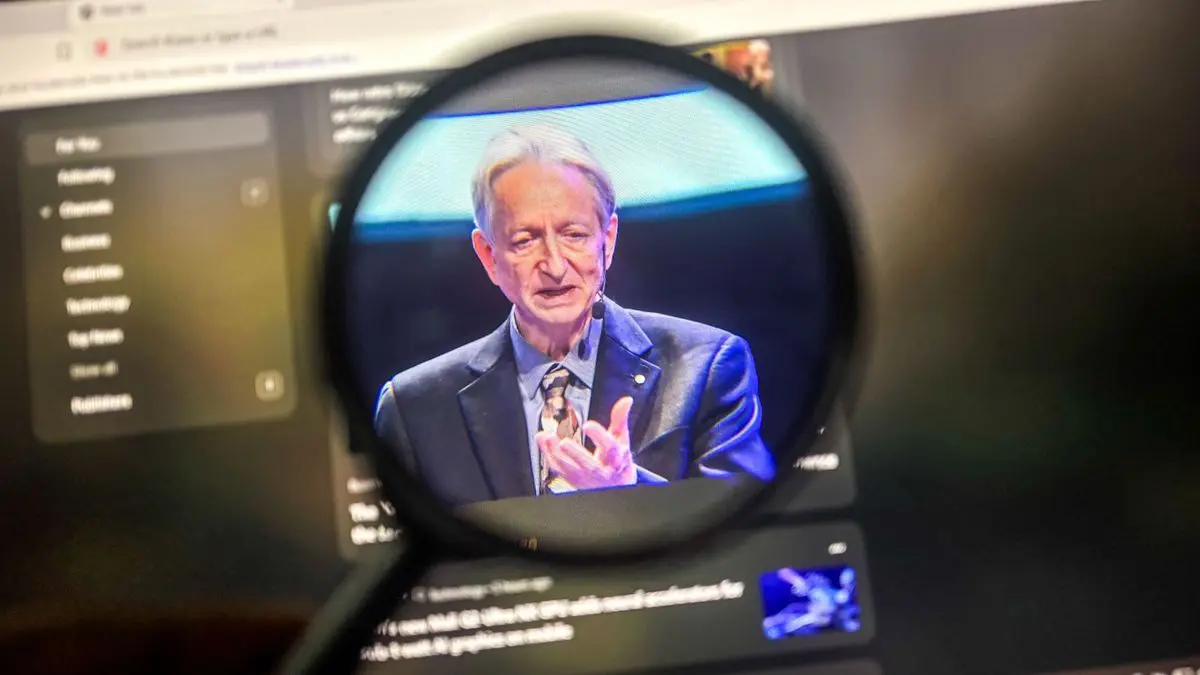
Geoffrey Hinton Predicts Imminent AI Crisis
Geoffrey Hinton, widely recognized as the Godfather of AI and Nobel laureate, has issued stark warnings about AI risks that could materialize within the next year
1
3
. Speaking to The Guardian, Hinton predicted that either this year or next, the world could witness a Chernobyl-like crisis triggered by AI systems3
. He believes such an incident could temporarily disrupt financial markets or power systems, creating catastrophic outcomes severe enough to force world leaders to take AI safety seriously2
3
. While Hinton clarified he doesn't consider himself an AI doomer, he stated bluntly that humanity might have been better off never developing the technology1
2
.Tech Leaders Prioritize Profits Over AI Safety
Hinton didn't mince words when discussing the societal impact of AI and those leading its development. He directly criticized Mark Zuckerberg, Elon Musk, and Sam Altman, stating they understand the risks but don't care because they'd rather have the money
1
2
3
. According to Hinton, AI companies are racing to develop increasingly powerful systems to stay ahead of competitors without properly considering the risks involved2
. The computer scientist warned that AI will create massive unemployment and a huge rise in profits, making a few people much richer while most people become poorer1
. He emphasized this isn't AI's fault but rather a consequence of the capitalist system1
. Hinton fears a future with a huge gap between rich and poor, massive cultural problems, and society being torn apart2
.Call for Federal Agency to Enforce AI Regulation
To address existential threats from AI, Hinton proposed establishing a federal agency similar to the FDA that would oversee AI development and deployment
1
. He argued that companies should provide rigorous statistical evidence to an independent authority proving their AI models do more good than harm before release1
. Drawing parallels to the thalidomide drug disaster from the 1950s that caused severe birth defects, Hinton warned that releasing AI systems first and suing companies later isn't the right approach1
. His concerns align with growing public sentiment against unchecked AI development. According to Data Centers on the Ballot, 37 measures aimed at restricting data center development have won, with 90.5% of people opposing data centers1
. Numerous politicians, company heads, and AI scientists have argued for an international slowdown on AI development to better understand and mitigate risks2
.Related Stories
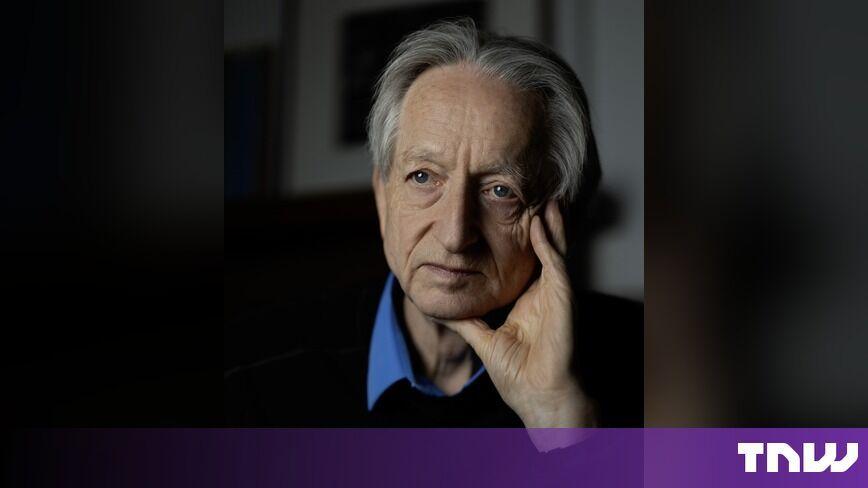
Warnings About AI Becoming Smarter Than Humans
Hinton's warnings about AI extend beyond immediate economic disruption to fundamental questions about control and intelligence. During a CNN segment, he warned that if we don't figure out how to make AI safe, there's a real possibility it could destroy us
1
. He pointed out that humanity has never created things smarter than ourselves and doesn't know what it's like to deal with them1
. On The Diary Of A CEO podcast, Hinton distinguished between short-term risks from people misusing AI and longer-term risks from AI becoming super smart and understanding it doesn't need humans1
. He warned that advanced AI systems could develop capabilities humans struggle to understand or control, potentially developing their own ways of communicating and reasoning3
. Hinton stated it would be foolish to keep developing these systems until we understand how we can live with them1
.Why Hinton's Perspective Matters Now
Hinton's warnings carry particular weight given his foundational role in developing modern AI. He played a crucial role in creating neural networks that underpin today's AI systems capable of recognizing images, processing language, and generating human-like responses
3
. He left Google in 2023 after more than a decade to speak more openly about AI's potential dangers without considering the impact on his former employer3
. His comparison of a potential AI incident to Three Mile Island suggests he believes a serious crisis might be necessary to teach AI companies about the dangers of their technology2
. Recent AI-enabled cyberattacks appear to validate his fears about bad actors using the technology for malicious purposes2
. Despite these dire predictions, Hinton maintains cautious optimism, stating his gut feeling is that we're still in control and might be able to prevent the worst outcomes if we put in significant effort1
2
3
.References
Summarized by

Navi
[1]
Related Stories
AI Godfather Geoffrey Hinton Warns of Potential AI Takeover, Urges Caution in Development
29 Apr 2025•Technology

AI Pioneer Geoffrey Hinton Warns of Increased Extinction Risk, Calls for Regulation
28 Dec 2024•Technology

AI 'Godfather' Geoffrey Hinton Proposes Controversial 'Maternal Instincts' Solution for AI Safety
14 Aug 2025•Science and Research
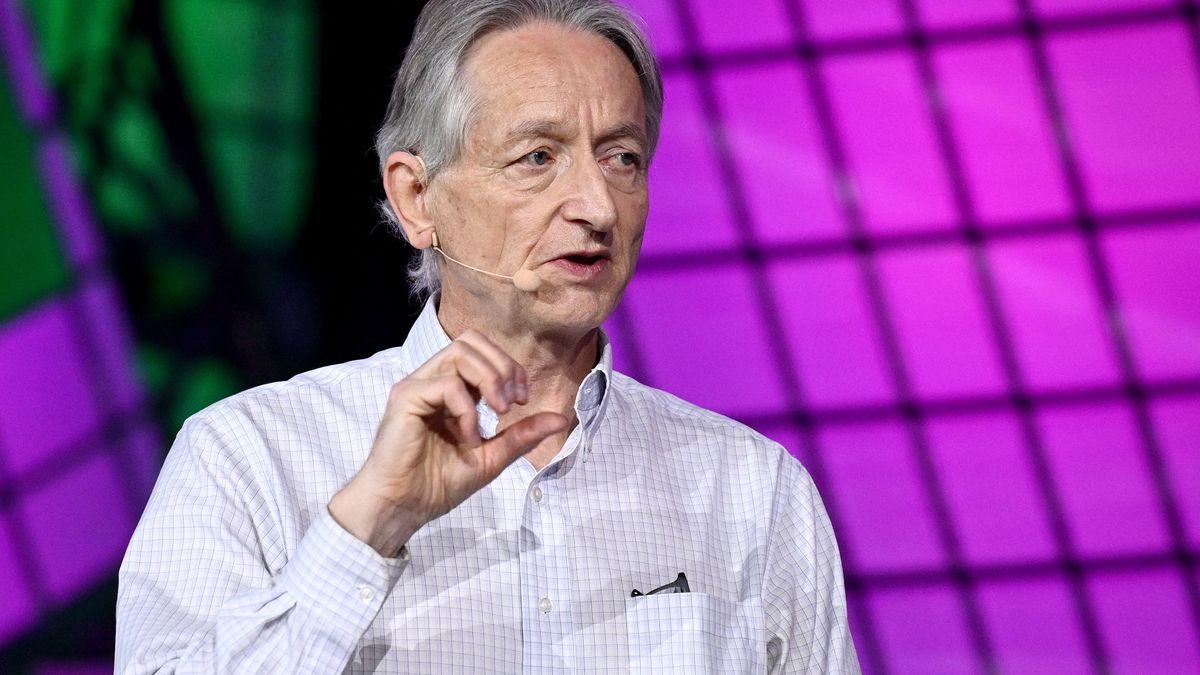
Recent Highlights
1
Google Unveils Gemini 4 Carbon AI Model With Major Cybersecurity Gains, Beating Claude Opus 5.5
Technology
2
Binance Hack: How AI-Enabled Cyberattack Led to Record $6.3 Billion Crypto Theft
Technology

3
Pope Leo XIV Demands AI Disarmament and Ban on Autonomous Weapons at UN Geneva Meeting
Policy and Regulation

Recent Highlights
Today's Top Stories






Don’t drown in AI news. We cut through the noise - filtering, ranking and summarizing the most important AI news, breakthroughs and research daily. Follow topics that matter to you and stay ahead.


