Perplexity brings Personal Computer AI agent to Windows, targeting enterprise productivity


2 Sources
[1]
Perplexity's Personal Computer turns Windows PCs into AI agents
Perplexity has expanded its agentic Personal Computer tool to Windows, allowing computers running the world's most popular OS to be used as a locally run AI system. Like the Mac version that Perplexity launched in April, Personal Computer for Windows operates like a "general-purpose digital worker"
[2]
Perplexity brings its Personal Computer AI agent to Windows
Perplexity AI Inc. today released a Windows version of Personal Computer, expanding its agentic automation software beyond the original Macintosh platform and making it available to more than 1 billion Windows devices. First released in April, Personal Computer software acts as a general-purpose
Share
Copy Link
Perplexity has launched its Personal Computer tool for Windows, expanding the AI agent beyond Mac to over 1 billion devices. The agentic automation software acts as a digital worker that accesses local files and apps to handle tasks like document creation and spreadsheet updates. Starting at $200 per month for Max subscribers, the tool positions Perplexity as an enterprise productivity platform competing directly with Microsoft Copilot.
Perplexity Expands AI Agent to Windows Platform
Perplexity has released its Personal Computer tool for Windows, marking a significant expansion of the agentic automation software beyond the Mac version launched in April
1
. The move brings the AI agent to more than 1 billion Windows devices, positioning the company to compete directly with Microsoft's own productivity tools2
. Operating as a digital worker, the software accesses authorized local files and applications to perform tasks on behalf of users through a conversational interface. This includes creating or editing Word documents, updating Excel spreadsheets, organizing files, conducting online research, and completing cross-application workflows that span multiple programs.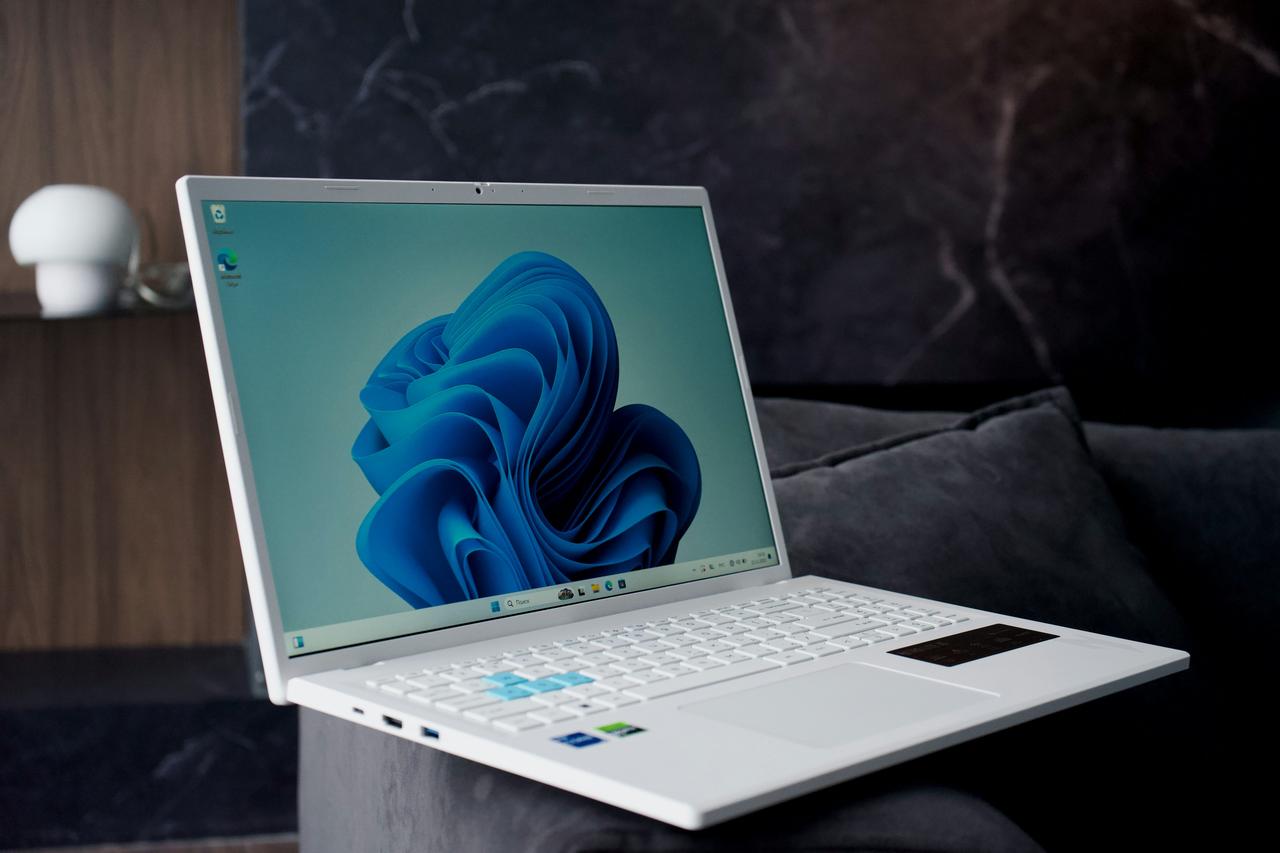
Source: SiliconANGLE
Bridging Local and Cloud Enterprise Work
The Personal Computer tool for Windows addresses a persistent challenge in enterprise use: the inability of many AI assistants to work with information stored locally or operate seamlessly across the collection of applications employees rely on daily. Perplexity notes that enterprise work typically occurs locally on Windows devices "out of AI's reach"
1
. The Windows version combines local files and applications with information from Microsoft Office 365 and web services, allowing users to manage complex workflows through a single interface. "It's built for the often messy way enterprise work gets done on local machines," the company stated2
. This capability builds on earlier integrations Perplexity launched for Microsoft's 365 workspace apps and Teams virtual meeting software in May.Enterprise Focus and Security Measures
The Windows edition is rolling out to Max subscribers and Enterprise Max users on subscription tiers starting at $200 per month
1
. Recognizing security concerns around locally run AI agents that interact with sensitive data, Perplexity has implemented safeguards including user approvals before performing sensitive actions like sending emails or deleting files. The company emphasizes that it doesn't use company data for AI training, and maintains activity logs so users can review what the agent has done2
. The desktop service uses a hybrid architecture rather than depending entirely on local AI processing, drawing on Perplexity's cloud infrastructure when additional computing power is required.Related Stories

Competitive Positioning Against Microsoft Copilot
This launch intensifies competition with Microsoft, which is incorporating Microsoft Copilot and AI agents throughout Windows and its productivity applications. While Microsoft enjoys an advantage from owning both Windows PCs and Microsoft Office 365, Perplexity is betting that an assistant capable of coordinating work across local files, cloud services, and the web will appeal to users seeking alternatives
2
. The move strengthens Perplexity's strategy to establish itself as an enterprise productivity platform rather than solely an AI-powered search provider. The company's desktop ambitions extend beyond Personal Computer—it introduced a browser aimed at streamlining online research a year ago and made an audacious bid to acquire Chrome from Google last August. As organizations evaluate AI agents for productivity gains, the ability to operate seamlessly across environments while maintaining security controls will likely determine which platforms gain traction in enterprise settings.References
Summarized by

Navi
[2]
Related Stories
Perplexity Personal Computer Now Available to All Mac Users via New Desktop App
02 May 2026•Technology

Perplexity Personal Computer AI for Mac launches with advanced agent control and security
17 Apr 2026•Technology

Perplexity Personal Computer turns Mac mini into 24/7 AI agent with local file access
12 Mar 2026•Technology

Recent Highlights



Recent Highlights
Today's Top Stories






Don’t drown in AI news. We cut through the noise - filtering, ranking and summarizing the most important AI news, breakthroughs and research daily. Follow topics that matter to you and stay ahead.


