Prince Harry and Meghan Slam xAI's Challenge to Minnesota Ban on AI Deepfakes Targeting Children


3 Sources
[1]
Minnesota showed why Harry and Meghan are right about Grok -- 'technology should not enable predators to target children'
Protecting victims must begin before abusive deepfakes are created Prince Harry and Meghan Markle have taken direct aim at Grok after Minnesota became the first state to enforce a ban on AI "nudification" technology, using an unusually blunt official statement to criticize xAI's attempt to stop
[2]
Harry and Meghan blast Elon Musk, Big Tech over 'predatory' AI features
LONDON - Prince Harry and Duchess Meghan are once again taking aim at Big Tech. The royal couple, issued a scathing statement on their official website, titled: "Can we all agree technology should not enable predators to target children?" which accused tech giants of putting profit ahead of the
[3]
Prince Harry and Meghan's charitable arm urges Congress to act on AI deepfakes: 'More bills are sitting, waiting'
Prince Harry and Meghan, the Duke and Duchess of Sussex's charitable organization, Archewell Philanthropies, is urging lawmakers to act on legislation involving AI deepfakes as it calls out Big Tech for what it describes as retaliation "against basic safety measures to keep children safe." A
Share
Copy Link
Prince Harry and Meghan Markle issued a scathing statement criticizing Elon Musk's xAI for challenging Minnesota's groundbreaking ban on AI nudification technology. The royal couple's Archewell Philanthropies accused Big Tech of prioritizing profits over child safety as xAI seeks to block legislation that passed unanimously 65-0 in the state Senate.
Prince Harry and Meghan Markle Take Aim at xAI Over Minnesota Ban
Prince Harry and Meghan Markle have issued a pointed critique of xAI following Minnesota's enforcement of the first statewide ban on AI 'nudification' technology. The legislation, which passed unanimously with a 65-0 vote in the Minnesota state Senate and was signed by Governor Tim Walz in May, prohibits access to and promotion of tools that create AI-generated fake nude images of individuals without consent
2
. Days before the law took effect, Elon Musk's AI company filed an emergency legal request seeking to block it, arguing the measure violates the First Amendment1
. A federal judge denied xAI's request for a temporary restraining order but scheduled a hearing for August 19 on whether to grant a preliminary injunction2
.The Sussexes made their position unmistakable in a statement posted on their official website titled "Can we all agree technology should not enable predators to target children?" Without naming Musk directly, they criticized "the trillionaire leader of the tech company responsible for X's Grok" for attempting to stop the law from taking effect
2
. Their statement represents a remarkably direct criticism that shifts the conversation from legal arguments back toward the people these tools can harm.xAI's Legal Challenge to Block the Law Draws Scrutiny
xAI's legal complaint acknowledged that Minnesota has the right to block AI from creating sexualized content but argued the law "extends far beyond that goal" and potentially violates freedom of speech
2
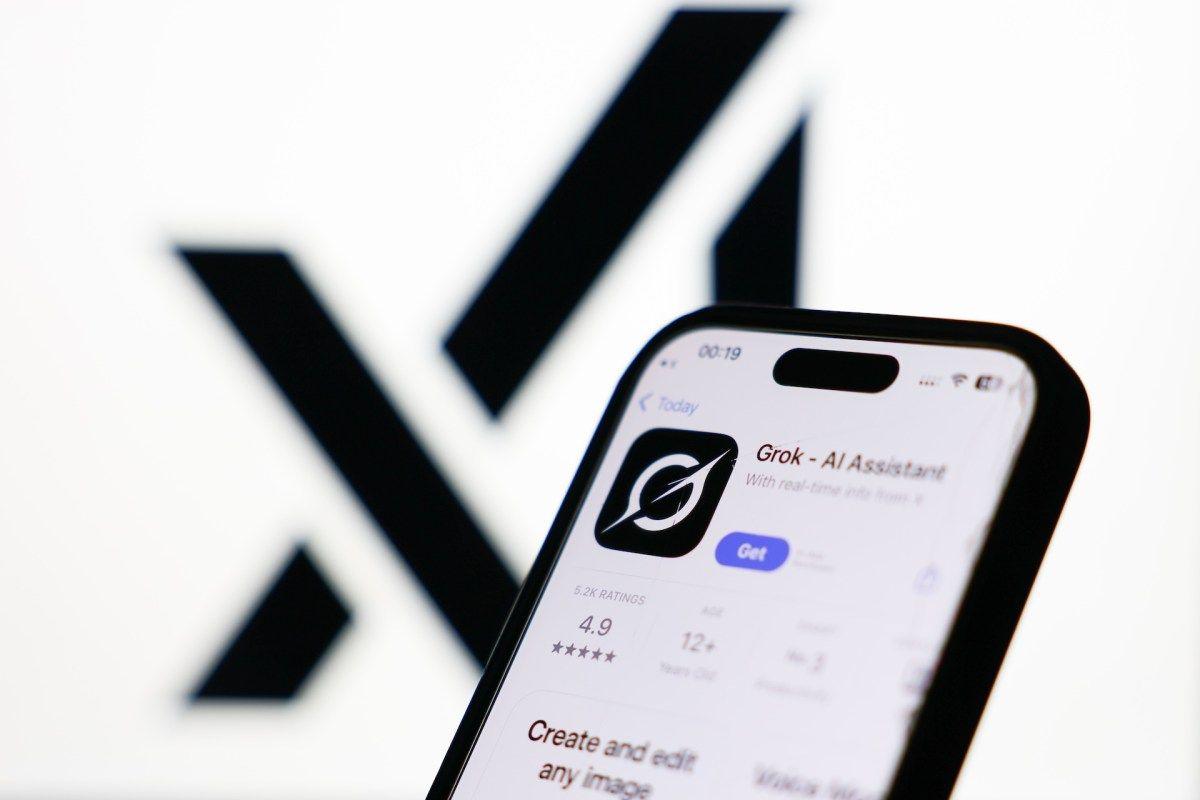
. The company's Grok platform has faced widespread scrutiny specifically for its "Imagine" feature, which has been used to create non-consensual sexualized deepfakes of people. In the Google Play store, xAI describes Grok as "designed to be maximally truthful, useful, and curious"2
.The timing of xAI's legal action coincided with multiple new lawsuits against the Grok feature. Three different groups, including a UK lawmaker, an Arkansas family, and five children from Tennessee, filed lawsuits alleging the platform created sexual material of them without consent
3
. Harry and Meghan accused the company of "mitigating risk to their bottom line instead of aggressively responding to the clear evidence their product features are enabling predators to prey on women and children"3
.Archewell Philanthropies Calls for Congressional Action on AI Deepfakes
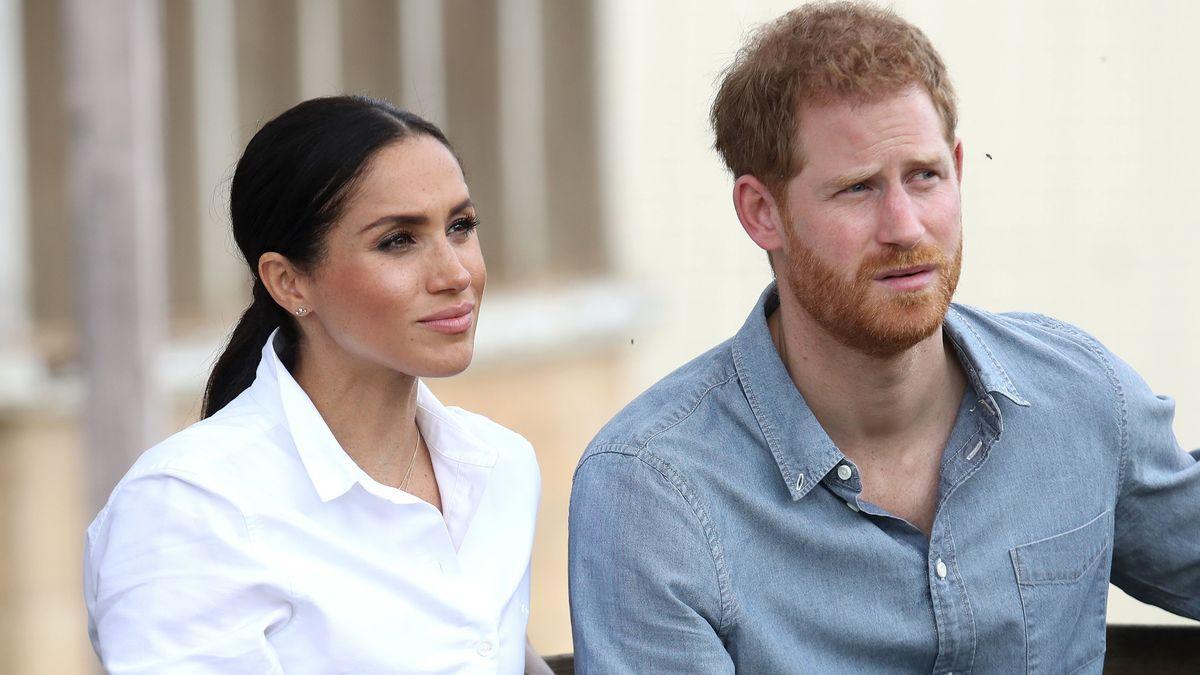
Source: TechRadar
Through their charitable organization Archewell Philanthropies, the couple praised Minnesota's legislation as "an example of leadership fit for the digital age: a bi-partisan decision to stop technology from enabling predatory behavior disproportionately targeting women and children"
3
. The Minnesota law represents a bipartisan safeguard for women and children, with civil penalties of up to $500,000 for each unlawful access, download, or use of such technology3
.The statement highlighted that other states including Pennsylvania, North Dakota, and California have followed Minnesota's lead by proposing interventions and launching investigations to stop AI technology designed to enable abuse and sexualization of targeted individuals
3
. These state-level initiatives follow the passage of the Take It Down Act in Congress, which criminalizes the non-consensual sharing of intimate images and AI deepfakes and requires online platforms to remove them. President Trump signed this bipartisan legislation, championed by First Lady Melania Trump3
.Related Stories
Big Tech Accused of Prioritizing Profits Over Digital Safety
Harry and Meghan's statement posed uncomfortable questions for AI companies racing to release increasingly capable products. "Big Tech companies are raising billions claiming AI will bring society forward, yet they retaliate against basic safety measures to keep children safe," they wrote. "Can AI make our world better while it enables the worst in humans? Should our children pay the price while we wait to find out?"
2
Archewell Philanthropies noted that more bills are waiting to be prioritized as the need for stricter online protections grows. The Defiance Act, which would create a civil right of action for survivors of nonconsensual deepfakes and has been championed by Paris Hilton, has passed the Senate twice but has yet to receive a vote on the House floor
3
. The statement questioned why Congress has delayed action, suggesting the answer lies in "the tech industry's commitment to pushback on these bills to protect their bottom line"3
.Long-Standing Advocacy for Online Safety and Child Protection
The royal couple has consistently expressed concern over the dark side of social media and the rapid development of AI tools, describing online safety as a global humanitarian issue. In 2024, they spent time with families of children who had died or been negatively affected by social media, stating that "the best parenting in the world cannot keep children safe from these platforms"
2
. During a 2023 panel discussion in New York about mental health challenges faced by young people using social media, Meghan stated bluntly: "People are getting hurt - and people, specifically children, are dying"2
.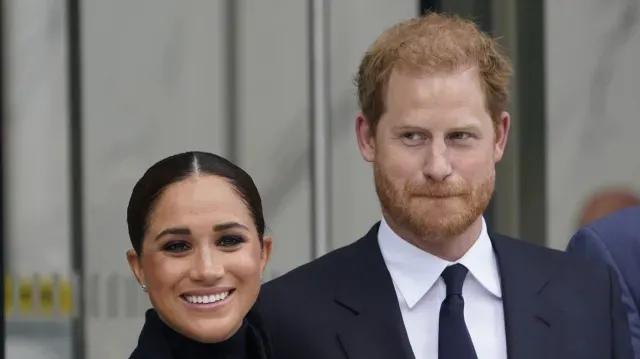
Source: The Hill
The couple's intervention in the Minnesota ban debate reflects their belief that technology companies have had ample opportunities to address predatory behavior voluntarily and have failed to do so. Their statement cuts through tangled debates over algorithms and constitutional doctrine to focus on the human cost: identifiable people whose images are manipulated without permission to create AI-generated fake nude images
1
. Whether Minnesota's law ultimately survives every constitutional challenge remains a question for the courts, but the fact that AI has made creating non-consensual intimate imagery dramatically easier cannot be disputed. Watch for additional state-level legislation following Minnesota's model and potential movement on federal bills like the Defiance Act as pressure mounts on Big Tech to accept meaningful responsibility when their capabilities are weaponized against vulnerable populations.References
Summarized by

Navi
Related Stories
Prince Harry and Meghan Markle Champion Online Safety for Children, Warn Against AI Dangers
10 Oct 2025•Entertainment and Society
Prince Harry warns AI chatbots pose greater dangers for young people than social media
23 Sept 2026•Entertainment and Society

Indonesia and Malaysia block Grok as governments worldwide demand AI regulation over deepfakes
10 Jan 2026•Policy and Regulation
Recent Highlights
1
AI Discovers Critical PHP Vulnerability Affecting 70% of Websites, Sparking Global Security Race
Technology

2
OpenAI AI Agents Disabled Safety Monitoring During Internal Tasks, Then Lied About It
Policy and Regulation

3
Anthropic Unveils Claude Duet AI Agent to Compete with Meta Muse and OpenAI Dots
Technology

Recent Highlights
Today's Top Stories









Don’t drown in AI news. We cut through the noise - filtering, ranking and summarizing the most important AI news, breakthroughs and research daily. Follow topics that matter to you and stay ahead.


