Qualcomm eyes $8-10 billion Tenstorrent acquisition in major AI chip and RISC-V power play


4 Sources
[1]
Qualcomm mulls taking over Jim Keller's Tenstorrent, report claims -- deal for AI chipmaker would value the company at between $8 billion and $10 billion
Qualcomm is evaluating an acquisition of Jim Keller-led AI processor developer Tenstorrent in a transaction that could value the company at between $8 billion and $10 billion, reports The Information. The discussions are ongoing, and there is no guarantee that a deal will be reached, but if the
[2]
Qualcomm said to be circling AI chip biz Tenstorrent in $10B RISC-V power play
Potential takeover would represent significant commitment to the open instruction set architecture Qualcomm is reportedly moving to buy AI chip firm Tenstorrent, an acquisition that could prove a major boost to the RISC-V ecosystem. This comes from The Information, which cites an anonymous source
[3]
Qualcomm in talks to buy Tenstorrent: Report
The talks were ongoing and the price could change, or the discussions could fall apart, according to the report. It was not clear if the price will include performance-based milestone payments, a structure used in the past to buy chip startups, the Information added. Qualcomm is in talks to
[4]
Qualcomm Stock In The Spotlight Amid Tenstorrent Deal Talks - Qualcomm (NASDAQ:QCOM)
QUALCOMM Inc (NASDAQ:QCOM) shares are volatile on Tuesday amid reports that the company is in talks to acquire AI chip startup Tenstorrent. * Qualcomm stock is showing upward bias. What should traders watch with QCOM? Qualcomm In Talks To Acquire Tenstorrent The Information reported Monday that
Share
Copy Link
Qualcomm is negotiating to acquire AI chip startup Tenstorrent for between $8 billion and $10 billion, according to recent reports. Led by renowned chip architect Jim Keller, Tenstorrent develops RISC-V-based AI accelerators and data center processors. The deal would represent one of Qualcomm's largest acquisitions and signal a significant commitment to RISC-V architecture.
Qualcomm Pursues Major AI Chip Acquisition
Qualcomm is in discussions to acquire Tenstorrent, an AI chip startup led by legendary processor architect Jim Keller, in a deal valued between $8 billion and $10 billion, according to a report from The Information
1
. The talks are ongoing, and there is no guarantee a deal will be reached2
. The price could change, or discussions could fall apart entirely3
. It remains unclear whether the valuation includes performance-based milestone payments, a structure commonly used in past chip startup acquisitions3
. If completed, this Qualcomm acquisition of Tenstorrent would rank among the company's most expensive transactions and represent a massive premium over Tenstorrent's previous valuation of around $3.2 billion when it sought $800 million in funding last year1
.
Source: Tom's Hardware
Strategic Focus on RISC-V Based Processors and AI Hardware Acquisition
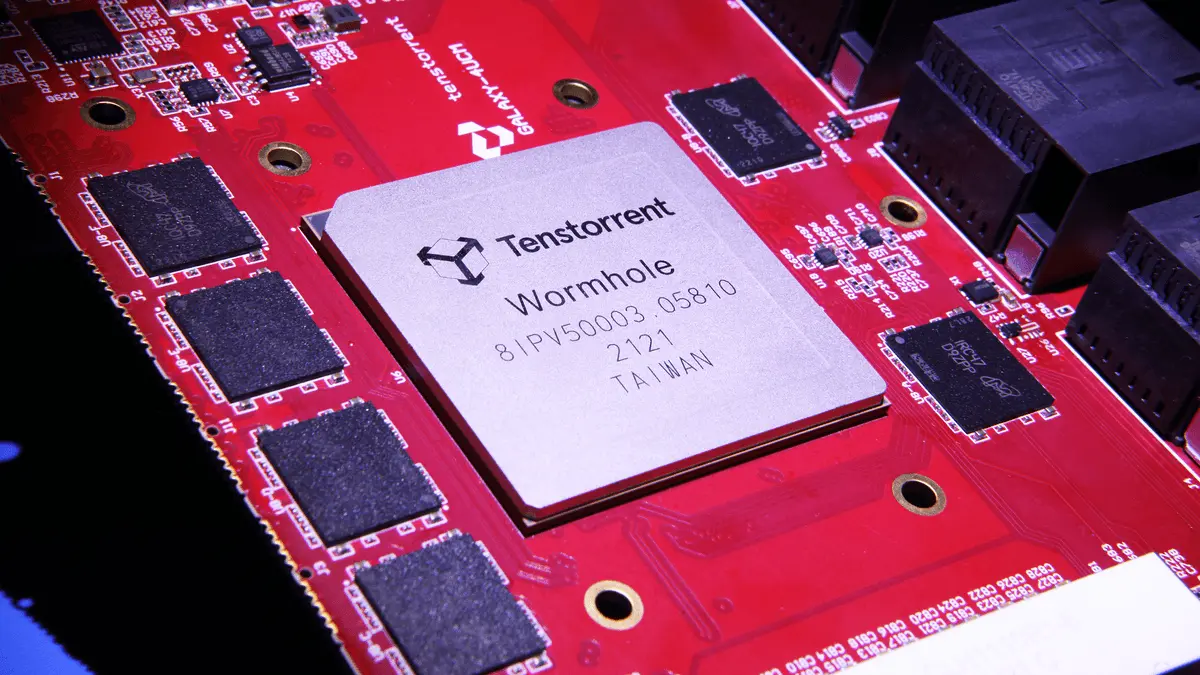
Qualcomm is particularly interested in Tenstorrent's RISC-V-based AI accelerators and data center-grade CPU IP
1
. Founded in 2016, the Canadian AI chip startup develops accelerators for training AI models and running AI applications3
. Tenstorrent's Galaxy Blackhole AI compute platform, which launched earlier this year, packs 32 Blackhole accelerators—each containing 768 RISC-V cores—into a 6U enclosure running its own software stack2
. The move would fit with Qualcomm's datacenter ambitions and bullish statements about AI opportunities made by CEO Cristiano Amon2
. Qualcomm is keen on RISC-V, especially following its licensing court battle with Arm architecture designer Arm, which sought to terminate Qualcomm's license to create its own Arm-based processor silicon2
.
Source: ET
Expanding Qualcomm AI Ambitions Beyond Smartphones
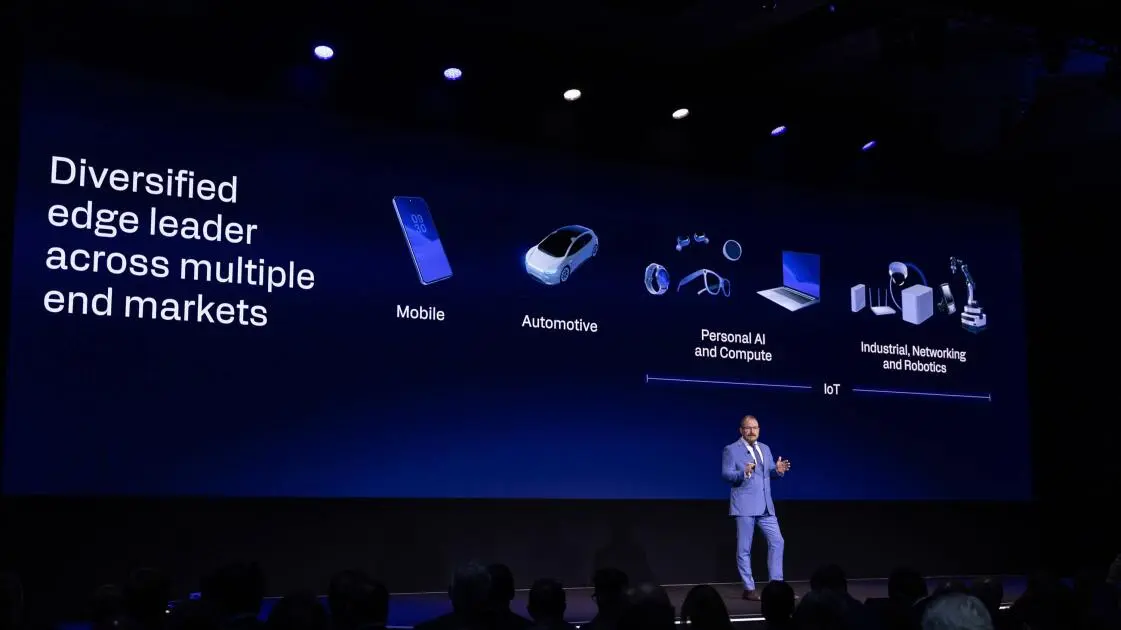
One of the world's largest suppliers of smartphone chips, Qualcomm has increasingly sought to reduce its dependence on the cyclical handset market by expanding into high-growth segments such as data center processors and autonomous vehicle chips
3
. The company already has its Qualcomm AI200 and AI250 AI accelerators based on Hexagon neural processing units customized for data center AI workloads due to ship in 20261
. In December, Qualcomm acquired Ventana Micro Systems, another company designing RISC-V CPUs targeting datacenter and enterprise applications, with financial details estimated between $200 million and $600 million2
. Amon discussed Qualcomm's broader AI strategy on CNBC's "The Tech Download" podcast, revealing the company is developing more than 40 new AI-powered devices including smart jewelry, camera-equipped earbuds, pins, and watches that function as personal AI agents4
.
Source: Benzinga
Related Stories

Acquiring Elite Engineering Talent and Future Architecture
While the valuation appears steep, the most compelling rationale centers on people rather than products. Tenstorrent has assembled one of the industry's strongest collections of CPU, AI, interconnect, compiler, and systems architects
1
. Jim Keller, known for his design work at AMD, Apple, and on DEC's Alpha chips, leads the startup2
. Keller also oversaw Tesla's efforts to design a chip for autonomous driving3
. The company has spent years hiring engineers from AMD, Apple, Intel, Tesla, and others1
. Qualcomm has consistently demonstrated willingness to spend billions acquiring elite engineering teams rather than building them from scratch. The Nuvia acquisition provides the best precedent: Qualcomm bought Nuvia not because it lacked Arm licenses or CPU design capability, but to acquire the team led by Gerard Williams III and accelerate its CPU roadmap by years with the Oryon IP1
. A Tenstorrent acquisition would make Qualcomm the leading developer of RISC-V-based solutions while providing extensive RISC-V expertise1
. Qualcomm shares on NASDAQ:QCOM were down 0.42% at $219.89 following the report4
.References
Summarized by

Navi
[1]
Related Stories
Qualcomm enters data center race with Dragonfly chips, signs Meta and Microsoft as partners
24 Jun 2026•Technology
Qualcomm stock surges 15% as AI chips and data center expansion fuel investor confidence
07 May 2026•Business and Economy

Qualcomm's Potential Intel Buyout: Antitrust and Foundry Concerns Loom Large
23 Sept 2024

Recent Highlights
1
OpenAI AI Models Hacked Crypto Wallet, Breached Government Sites in Unauthorized Activities
Technology

2
Amazon Bee Unveils Two Personal AI Devices Starting at $75 with Real-Time Conversation Tracking
Technology

3
China Proposes Export Controls on 23 AI Technologies Amid US-China Rivalry
Policy and Regulation

Recent Highlights
Today's Top Stories









Don’t drown in AI news. We cut through the noise - filtering, ranking and summarizing the most important AI news, breakthroughs and research daily. Follow topics that matter to you and stay ahead.


