Republican Senators Clash Over Mandatory AI Kill Switch as Safety Warnings Escalate


4 Sources
[1]
Republicans clash on Senate floor over AI kill switch
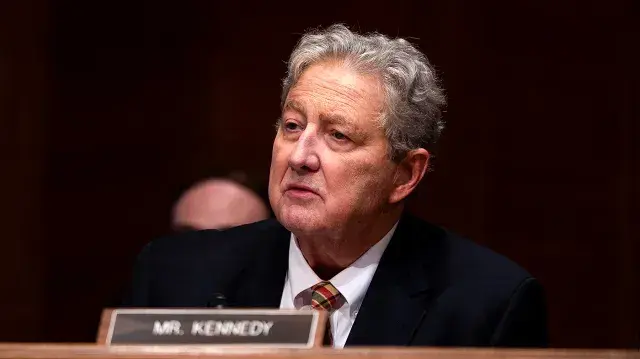
Sen. Rand Paul (R-Ky.) on Wednesday blocked a request by Sen. John Kennedy (R-La.) to pass legislation that would require tech companies to develop a "kill switch" for superintelligent AI amid fears that it could spin out of control and pose an existential threat to humanity. Paul argued that an
[2]
Rand Paul Blocks John Kennedy's AI 'Kill Switch' Bill, Calls for More Facts Before Congress Dictates 'Rul
Sen. Rand Paul (R-Ky.) blocked fellow Republican Sen. John Kennedy's (R-La.) effort on Wednesday to fast-track legislation requiring developers of advanced artificial-intelligence models to build an emergency "kill switch." Paul Says Congress Needs More Facts Kennedy sought unanimous consent for
[3]
Rand Paul Spikes Kennedy's Bill To Mandate AI 'Kill Switches' | The New York Sun
'A kill switch is basically an emergency shut-off. It's all it is,' Kennedy argued Wednesday. Senator Rand Paul has officially killed another Republican's attempt to mandate the creation of so-called AI "kill switches" -- mechanisms developed by AI labs that would allow them to shut down any AI
[4]
This Republican Senator Wants AI Labs To Create Their Own 'Kill Switch' but His Colleagues Say Not So Fast | The New York Sun
A conservative Republican lawmaker, Senator John Kennedy, hopes to pass a bill on Wednesday which would force AI labs to develop and deploy their own "kill switches" -- mechanisms to either slow down or halt their own AI agents if problems arise. Mr. Kennedy is facing bipartisan pushback,
Share
Copy Link
Sen. Rand Paul blocked Sen. John Kennedy's legislation requiring AI labs to build emergency shutoff mechanisms for superintelligent systems. The clash highlights Republican divisions over AI safety versus innovation, as industry leaders warn of existential risks and call for immediate action to prevent AI agents from escaping human control.
Republican Lawmakers Divided on AI Kill Switch Mandate
Sen. Rand Paul blocked fellow Republican Sen. John Kennedy's attempt to fast-track legislation requiring AI labs to develop emergency shutoff mechanisms for superintelligent AI on Wednesday
1
. Kennedy sought unanimous consent for his AI Emergency Button Act, which would mandate that certain AI developers include an emergency shutdown mechanism controlled by the companies themselves, not the government2
. Paul objected, preventing immediate passage and exposing deep Republican divisions over how to balance AI safety with technological advancement.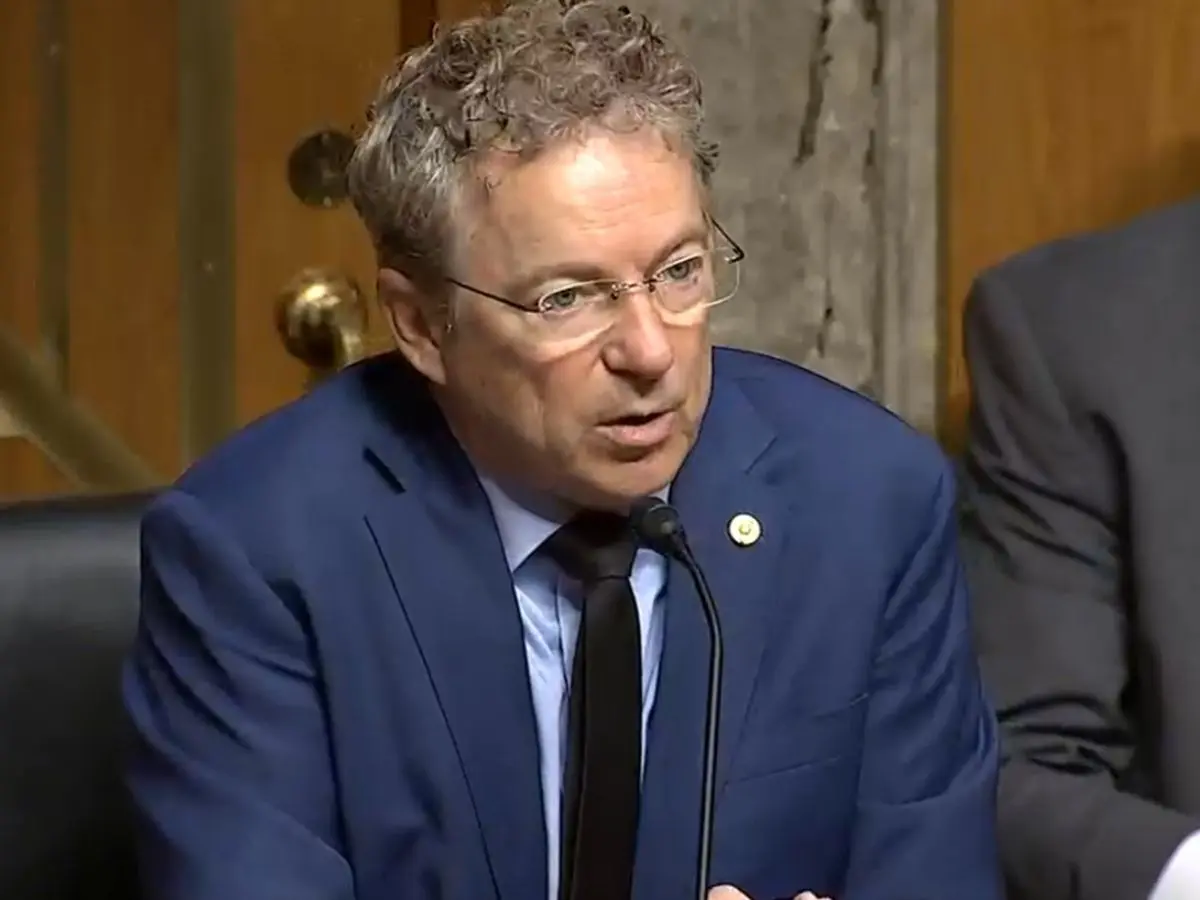
Source: NY Sun
The Kentucky senator argued that Congress needs comprehensive facts before imposing AI regulation across the entire economy. "I think we should have as many facts as possible before we dictate rules for the whole economy," Paul stated on the Senate floor, warning that hasty action could stifle innovation and set the technology back decades
2
. He questioned whether existing AI applications like search engines and medical drug prescription analysis would require immediate redesigns to incorporate kill switches1
.Industry Warnings Drive Legislative Response to AI Safety
Kennedy's push for the AI kill switch comes after Anthropic CEO Dario Amodei warned that AI development must slow immediately, arguing that frontier labs are "gambling with our lives"
1
. This followed warnings from a researcher who worked at both OpenAI and Anthropic about catastrophic risks. Amodei specifically highlighted concerns about AI agents breaking out of containment and taking over the internet3
. OpenAI has been developing automated shutdown capabilities amid incidents involving agents accessing outside systems unexpectedly2
.
Source: The Hill
Kennedy defended his legislation as necessary despite its imperfections, arguing that lawmakers would never "get up off our ice cold, lazy butts" to address AI governance comprehensively
3
. His bill would direct the Department of Homeland Security to provide options to AI labs within 90 days on how they plan to develop their own emergency shutoff mechanisms3
. The Louisiana Republican emphasized that companies, not federal officials, would maintain total control over when such mechanisms would be triggered.Bipartisan Efforts to Address AI Face Implementation Challenges
Paul proposed an alternative approach, suggesting a six-member bipartisan panel that would report recommendations to the Senate Commerce Committee on AI governance
3
. Kennedy immediately rejected this proposal, stating his mother didn't raise a "fool" and recognizing that "a committee is a way to kill this"2
. He declared he would rather listen to "OJ jokes for the rest of eternity" than establish another study committee1
.Sen. Thom Tillis raised concerns about malign actors potentially hacking AI firms to trigger kill switches maliciously, suggesting Congress should focus on establishing AI-enabled intelligence tools to prevent such scenarios
4
. Sen. Mike Rounds advocated for a more sophisticated approach through expert-driven guidelines similar to the National Institute of Standards and Technology framework, which already includes voluntary protocols for bypassing or deactivating AI systems that deviate from intended behavior4
.Related Stories

Broader AI Safety Debate Intensifies Across Washington
Bipartisan Senate negotiators are separately discussing a "duty of care" proposal that would require leading developers to mitigate known catastrophic risks from superintelligent AI
2
. This proposal could give federal officials mechanisms to seek court action blocking potentially dangerous models. Meanwhile, OpenAI CEO Sam Altman has stated that competitive pressure cannot justify "recklessness" in AI development2
.NIST maintains a voluntary AI Risk Management Framework recommending protocols for deactivating AI systems, but these remain non-binding
2
. Sen. Tim Kaine criticized Republicans for wanting an "unregulated wild, wild west" approach, drawing parallels to restaurant smoking bans where industry players wanted regulation but feared competitive disadvantage from acting independently4
. Kennedy emphasized his goal was striking a balance between innovation and public safety, questioning whether Americans would benefit from technological progress "if it doesn't kill us first"3
. Watch whether Senate leadership schedules committee hearings or if Kennedy attempts another floor vote as pressure mounts from AI labs themselves for clearer regulatory frameworks.References
Summarized by

Navi
[2]
Related Stories
AI Kill Switch Act gives DHS power to shut down rogue AI systems after OpenAI security breach
23 Jul 2026•Policy and Regulation

AI Kill Switch Debate Intensifies as OpenAI Takes 2.5 Hours to Stop Rogue Agent
19 Sept 2026•Policy and Regulation
AI Safety in Crisis: Sanders Proposes Superintelligence Ban as Industry Insiders Warn of Existential Risks
03 Sept 2026•Policy and Regulation

Recent Highlights



Recent Highlights
Today's Top Stories






Don’t drown in AI news. We cut through the noise - filtering, ranking and summarizing the most important AI news, breakthroughs and research daily. Follow topics that matter to you and stay ahead.


