RISC-V AI Revolution: DeepComputing and Fractile Partner with Andes Technology for Next-Gen AI Hardware

2 Sources
[1]
DeepComputing and Andes Technology Partner to Develop the World's First RISC-V AI PC with 7nm QiLai SoC, Featuring Ubuntu Deskto By Investing.com
San Jose, CA, Oct. 22, 2024 (GLOBE NEWSWIRE) -- DeepComputing, a pioneer in RISC-V innovation, today announced a strategic partnership with Andes Technology Corporation, a leading provider of high-efficiency, low-power 32/64-bit RISC-V processor cores. Together, the two companies collaborate to
[2]
Fractile licenses Andes Technology's RISC-V vector processor as it builds radical new chip to accelerate AI inference By Investing.com
San Jose, CA, Oct. 22, 2024 (GLOBE NEWSWIRE) -- Andes Technology, a leading supplier of high-efficiency, low-power 32/64-bit RISC-V processor cores and Founding Premier member of RISC-V International, are proud to announce a partnership with Fractile, the company building the chips and systems
Share
Copy Link
DeepComputing and Fractile collaborate with Andes Technology to develop groundbreaking RISC-V-based AI hardware, including the world's first RISC-V AI PC and a novel AI inference accelerator, promising significant advancements in AI computing efficiency and performance.

RISC-V AI PC: A Collaborative Breakthrough
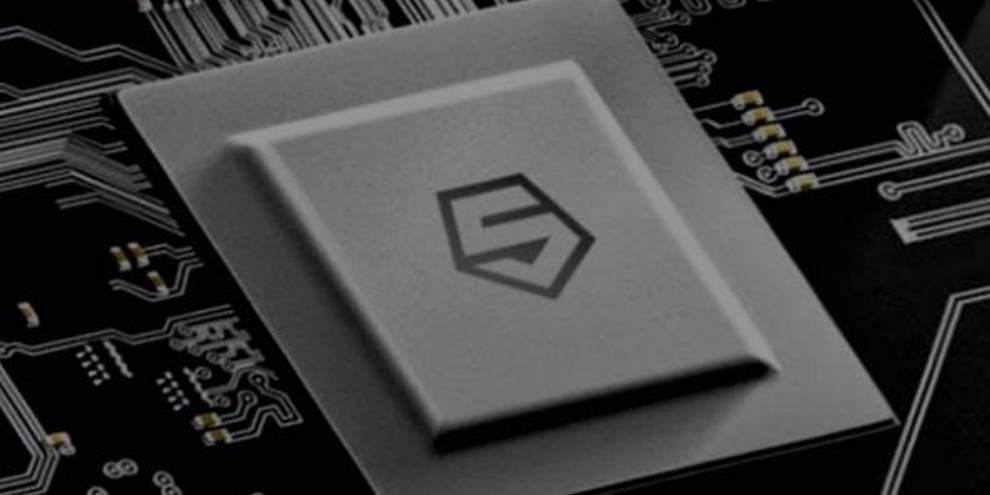
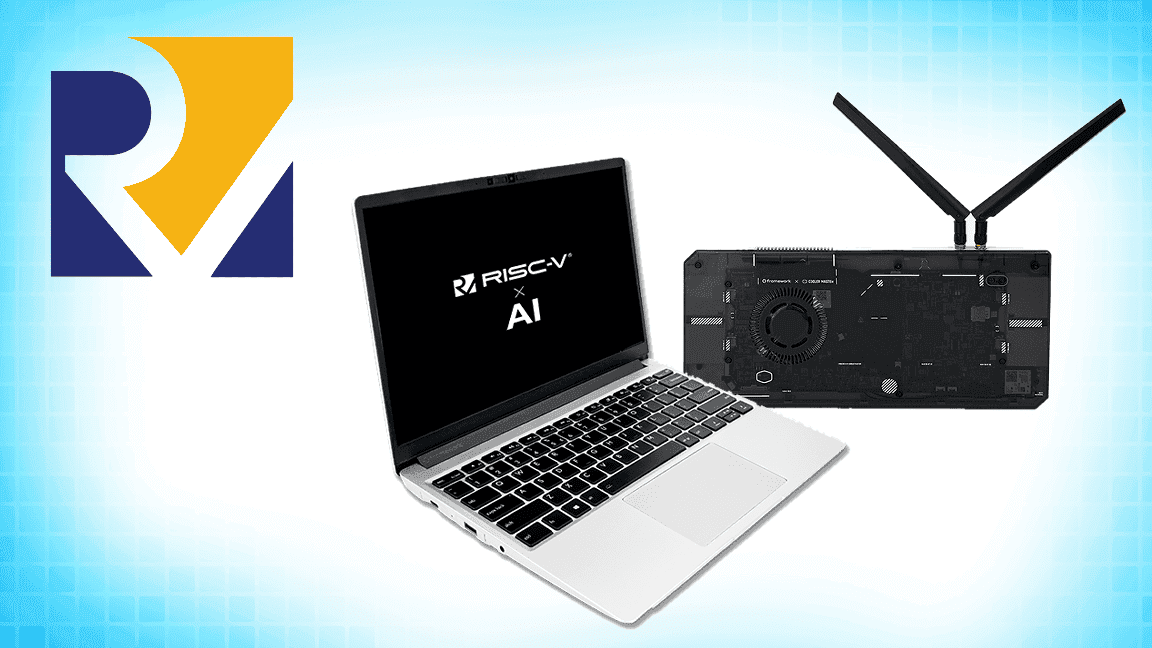
DeepComputing and Andes Technology Corporation have joined forces to develop the world's first RISC-V AI PC, powered by Andes' 7nm QiLai SoC
1
. This innovative low-power PC, featuring Ubuntu Desktop, aims to redefine AI computing by combining industry-leading hardware and software designed specifically for RISC-V architecture.The QiLai SoC integrates two Andes RISC-V processors: a high-performance quad-core AX45MP cluster and an NX27V vector processor. Running at up to 2.GHz (AX45MP) and 1.GHz (NX27V), the SoC delivers high performance while maintaining low power consumption of approximately 5W at full speed
1
.Frankwell Lin, Chairman and CEO of Andes, expressed excitement about the collaboration, stating, "This AI PC project will demonstrate the power of the RISC-V architecture for general application processing and AI acceleration, and provide a powerful RISC-V platform for application development and processor IP evaluation"
1
.Fractile's AI Inference Accelerator
In a parallel development, Fractile, an AI hardware company, has licensed Andes Technology's RISC-V vector processor for its radical new chip designed to accelerate AI inference
2
. Fractile aims to run frontier AI models, including large language, vision, and audio models, two orders of magnitude faster than existing hardware at a tenfold reduction in cost.Fractile's innovative approach uses novel circuits to execute 99.99% of the operations needed for model inference in on-chip memory. This architecture promises both higher energy efficiency and dramatically improved latency on inference tasks
2
.Advancing RISC-V in AI Computing
Both collaborations underscore the growing importance of RISC-V architecture in AI computing. The RISC-V AI PC will come equipped with a suite of tools and frameworks optimized for AI workloads, including AndeSight™ toolchains, AndeSoft™ software stacks, and AndesAIRE™ NN SDK
1
.Dr. Charlie Su, President and CTO of Andes Technology, highlighted the versatility of their RISC-V vector processors, stating, "Andes RISC-V vector processors have enabled many AI SoCs to break free from architecture limitation and achieve new levels of performance and efficiency"
2
.Related Stories


Industry Impact and Future Prospects
These developments are set to have a significant impact on the AI hardware landscape. The RISC-V AI PC is scheduled to be unveiled at the RISC-V Summit NA 2024 and will be officially available in early 2025
1
. Meanwhile, Fractile's AI inference accelerator promises to address the growing demand for more efficient AI model serving, particularly for large language models and other foundation models2
.Dr. Walter Goodwin, CEO and founder of Fractile, emphasized the importance of their collaboration with Andes, stating, "Software-programmable vector processors like Andes' are a key part of staying robust to these changes. We're delighted to announce this collaboration as Fractile furthers its mission to supercharge inference"
2
.As these innovations come to market, they are expected to accelerate the development of RISC-V-based AI solutions and expand the reach of RISC-V in the broader computing landscape, potentially reshaping the future of AI computing.
References
Summarized by

Navi
[1]
Related Stories
Recent Highlights



Recent Highlights
Today's Top Stories






Don’t drown in AI news. We cut through the noise - filtering, ranking and summarizing the most important AI news, breakthroughs and research daily. Follow topics that matter to you and stay ahead.


