OpenAI CEO Sam Altman Confronts New York Times Lawsuit and Industry Challenges at Live Podcast Event


3 Sources
[1]
Sam Altman comes out swinging at The New York Times | TechCrunch
From the moment OpenAI CEO Sam Altman stepped onstage, it was clear this was not going to be a normal interview. Altman and his chief operating officer, Brad Lightcap, stood awkwardly toward the back of the stage at a jam-packed San Francisco venue that typically hosts jazz concerts. Hundreds of
[2]
OpenAI execs whine about the New York Times lawsuit and user privacy during live NYT event, get roasted by NYT journalist: 'It must be really hard when someone does something with your data you don't want them to'
OpenAI CEO Sam Altman and COO Brad Lightcap were the guests on a recent live episode of the New York Times' technology podcast, Hard Fork, and entered the San Francisco venue like a pair of WWE wrestlers. I'm not kidding: hosts Kevin Roose and Casey Newton began their introduction before Altman
[3]
Sam Altman confronts NYT lawsuit head-on
Sam Altman, OpenAI CEO, and Brad Lightcap, OpenAI COO, appeared at a live recording of the "Hard Fork" podcast in San Francisco, addressing the New York Times lawsuit against OpenAI and other industry challenges. Altman and Lightcap arrived on stage earlier than anticipated at the San Francisco
Share
Copy Link
Sam Altman and Brad Lightcap of OpenAI address the NYT lawsuit, user privacy concerns, and industry competition during a live recording of the "Hard Fork" podcast, highlighting tensions between AI companies and traditional media.
OpenAI Executives Confront New York Times Lawsuit
In a surprising turn of events, OpenAI CEO Sam Altman and COO Brad Lightcap made an unexpected early appearance at a live recording of the "Hard Fork" podcast in San Francisco. The event, hosted by New York Times columnist Kevin Roose and Platformer's Casey Newton, quickly became a platform for Altman to address the ongoing lawsuit between The New York Times and OpenAI
1
2
.
Source: TechCrunch
Altman wasted no time in confronting the issue, asking, "Are you going to talk about where you sue us because you don't like user privacy?"
1
. He expressed particular frustration over a recent development in the lawsuit, where The New York Times' lawyers requested OpenAI to retain consumer ChatGPT and API customer data1
3
.The Lawsuit and Privacy Concerns
The New York Times lawsuit against OpenAI and Microsoft alleges that the AI company improperly used the publisher's articles to train its large language models
1
2
. Altman argued that the lawsuit's request for data retention goes against user privacy, stating, "The New York Times... is taking a position that we should have to preserve our users' logs even if they're chatting in private mode, even if they've asked us to delete them"1
3
.In response to Altman's comments, podcast host Kevin Roose delivered a pointed retort: "Well thank you for your views and I'll just say it must be really hard when someone does something with your data you don't want them to"
2
. This exchange highlighted the irony of an AI company built on data scraping now advocating for user privacy.Industry Challenges and Competition
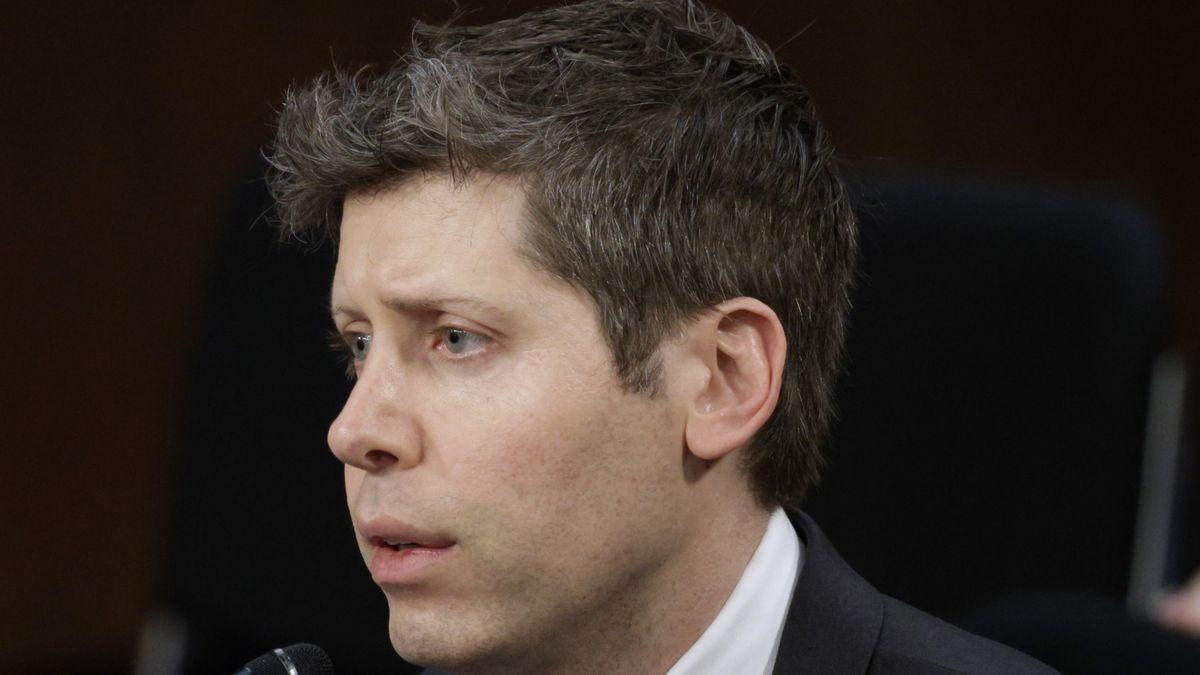
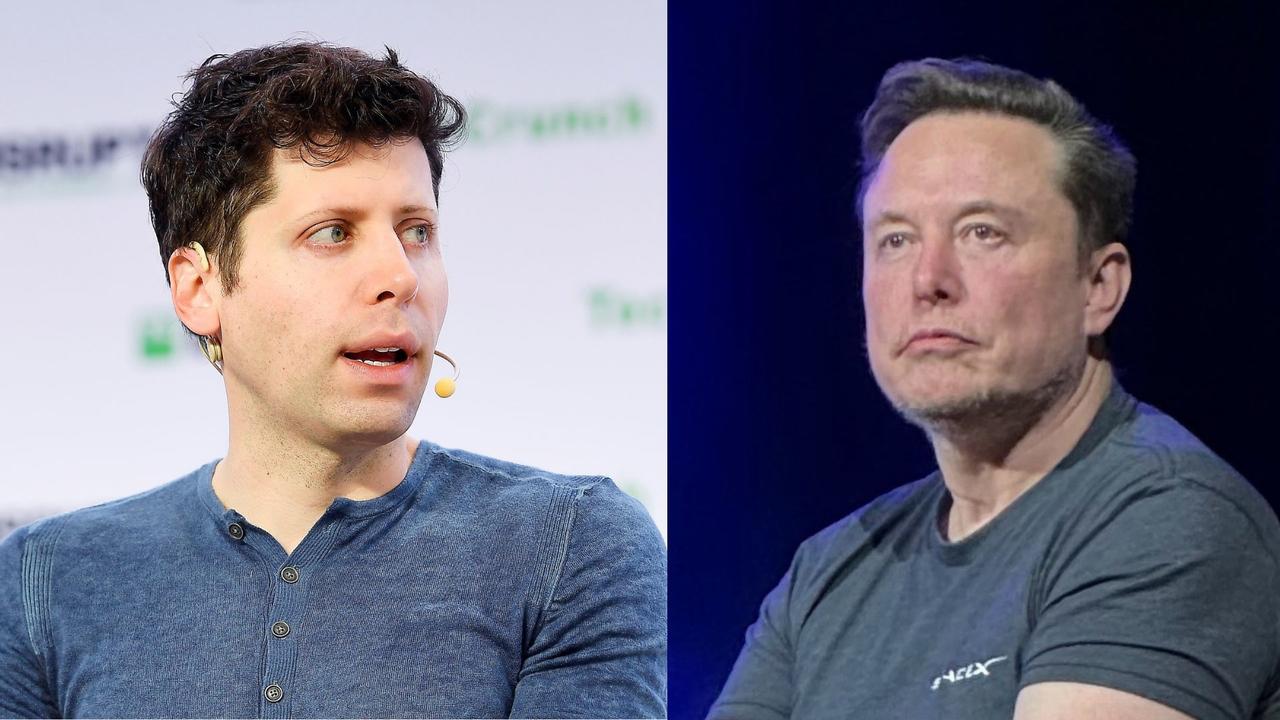
The interview also touched on other challenges facing OpenAI, including competition from other tech giants. Altman revealed that Mark Zuckerberg has been attempting to recruit top talent from OpenAI with compensation packages valued at $100 million
1
3
. When asked about Zuckerberg's belief in superintelligent AI, Lightcap quipped, "I think [Zuckerberg] believes he is superintelligent"1
2
.
Source: PC Gamer
OpenAI's Relationship with Microsoft
The conversation also addressed OpenAI's evolving relationship with Microsoft, its largest investor. Reports have indicated increased tensions between the two companies as they negotiate a new contract and compete in various domains
1
3
. Altman acknowledged these challenges, stating, "In any deep partnership, there are points of tension and we certainly have those"1
.Related Stories
AI Safety and Mental Health Concerns
Towards the end of the interview, the discussion shifted to the broader implications of AI technology, particularly its impact on mental health. Newton raised concerns about mentally unstable individuals using ChatGPT in potentially harmful ways
1
2
3
.Altman acknowledged the challenge, stating, "We don't want to slide into the mistakes that I think the previous generation of tech companies made by not reacting quickly enough"
1
. However, he admitted that for users "on the edge of a psychotic break, we haven't yet figured out how a warning gets through"1
2
.Legal Developments in AI Copyright Cases
The confrontational nature of the interview may have been influenced by recent legal developments favoring AI companies. Earlier in the week, OpenAI competitor Anthropic won a significant legal battle against publishers
1
3
. A federal judge ruled that Anthropic's use of books to train its AI models was legal under certain circumstances, potentially setting a precedent for similar lawsuits against OpenAI, Google, and Meta3
.As AI technology continues to advance and integrate into various aspects of society, the tension between innovation, privacy, and ethical concerns remains at the forefront of public discourse. The confrontation between OpenAI executives and New York Times journalists underscores the complex challenges facing the AI industry as it navigates legal, ethical, and societal implications of its rapidly evolving technology.
References
Summarized by

Navi
[3]
Related Stories
OpenAI accused of hiding evidence and lying to court in landmark copyright lawsuit with NYT
09 Jul 2026•Policy and Regulation
Sam Altman's Sleepless Nights: The Ethical Dilemmas of AI's Rapid Growth
11 Sept 2025•Technology
OpenAI insiders question Sam Altman's trustworthiness as CEO controls future of AI
06 Apr 2026•Policy and Regulation
Recent Highlights



Recent Highlights
Today's Top Stories



Don’t drown in AI news. We cut through the noise - filtering, ranking and summarizing the most important AI news, breakthroughs and research daily. Follow topics that matter to you and stay ahead.


