Musk Trial Exposes Details of Sam Altman's Ouster and OpenAI's Internal Conflicts


10 Sources
[1]
Mira Murati's deposition pulled back the curtain on Sam Altman's ouster
The week leading up to Thanksgiving 2023 was the AI industry's biggest soap opera moment. OpenAI CEO Sam Altman was abruptly ousted from his role at the ChatGPT-maker. The explanation? That Altman was "not consistently candid in his communications with the board." Now, via witness testimony and
[2]
Is A.I. a Threat to Humanity? Not in This Trial.
Since he had a testy fireside chat about artificial intelligence with the Google co-founder Larry Page more than a decade ago, Elon Musk has had one big fear: that A.I. could eventually destroy humanity. It was one reason, he has often said, that he started the nonprofit A.I. lab OpenAI with Sam
[3]
'Without me, OpenAI wouldn't exist,' says Elon Musk as courtroom clash with Sam Altman turns personal -- and exposes a deeper fight over who really built the company behind ChatGPT
* Elon Musk claims OpenAI wouldn't exist without his early backing * Trial reveals tensions over control, direction, and original mission * Courtroom exchanges show how personal the dispute has become "Without me, OpenAI wouldn't exist!" The outburst from Elon Musk came in a heated moment
[4]
Under Threat of Perjury, OpenAI's Former CTO Is Admitting Some Very Interesting Stuff About Sam Altman
Can't-miss innovations from the bleeding edge of science and tech The bizarre and messy court battle between OpenAI CEO Sam Altman and former OpenAI investor Elon Musk trudges on. And this week, as revealed in court, OpenAI's former Chief Technology Office had some extremely interesting -- and at
[5]
'This is a real risk, we all could die as a result of artificial intelligence' -- the OpenAI trial took a dramatic turn as Elon Musk and Sam Altman faced off over AI's real-world danger
* Elon Musk and Sam Altman's trial veered into AI extinction debate * The judge shut down claims AI could pose a real-world threat * The case could reshape OpenAI and the future of ChatGPT "This is a real risk, we all could die as a result of artificial intelligence." That stark warning cut
[6]

Are we losing our minds to AI?
Judge Yvonne Gonzalez Rogers didn't mince words in court this week while adjudicating the ongoing trial between Elon Musk and OpenAI in Oakland, California. Musk and Sam Altman, OpenAI's CEO, needed to stop being messy bitches. While she didn't put it like that (she advised both men: "Control your
[7]

Battle of paradigm shifters: Musk vs Altman over OpenAI's original purpose can shape AI's moral & commercial future - The Economic Times
Cambridge, UK: In a courtroom in Oakland, two of the most powerful men in tech have been fighting since Tuesday over a question that is not just legal but civilisational: who owns AI's future? Elon Musk's case against Sam Altman, Greg Brockman, OpenAI and Microsoft is about a breach of mission,
[8]

Sam Altman Extends Invitation To Elon Musk Amid Legal Battle: 'World Needs More Love' - Microsoft (NASDAQ
After days of sparring in a federal courtroom, Sam Altman used a Saturday post on social media to extend a small olive branch to rival Elon Musk, saying Musk "can come if he wants" to a limited OpenAI gathering tied to the May 5 rollout of GPT-5.5. The gesture landed as Musk testified he didn't
[9]
Elon Musk vs Altman Turns Personal, Dan Ives Warns
But the bigger shift, according to Ives, isn't just the drama -- it's the direction. The fight, he suggests, is turning "personal." And that could slow everything down. From Mission Dispute To Personal Battle At the center of Musk's case are claims of breach of charitable trust and unjust
[10]

Sam Altman's OpenAI firing was messier than we thought, new court evidence suggests
Altman eventually returned as CEO after hundreds of OpenAI employees threatened to resign. OpenAI's leadership crisis from 2023 is now again in the spotlight after fresh testimony and internal messages surfaced during the Elon Musk vs Sam Altman case. The details now offer a clear picture of the
Share
Copy Link
Mira Murati's testimony under oath reveals Sam Altman allegedly bypassed safety protocols and wasn't consistently candid with OpenAI's leadership. The deposition in Elon Musk's lawsuit against OpenAI exposes the dramatic events of November 2023 when Altman was briefly ousted, including text messages showing Murati's role in both his removal and reinstatement.
Mira Murati's Deposition Reveals Sam Altman's Conduct
Mira Murati's testimony under threat of perjury has pulled back the curtain on Sam Altman's leadership at OpenAI, exposing allegations that could reshape public understanding of the company behind ChatGPT. During her video deposition in Elon Musk's lawsuit against OpenAI, the former Chief Technology Officer made striking claims about Altman's conduct. When asked whether Altman told the truth when he informed her that OpenAI's legal team had cleared a new artificial intelligence model to bypass an internal safety board, Murati responded with a simple "no."
4
The testimony suggests Altman falsely claimed lawyers had approved leapfrogging safety protocols when, according to Murati's understanding, that wasn't accurate.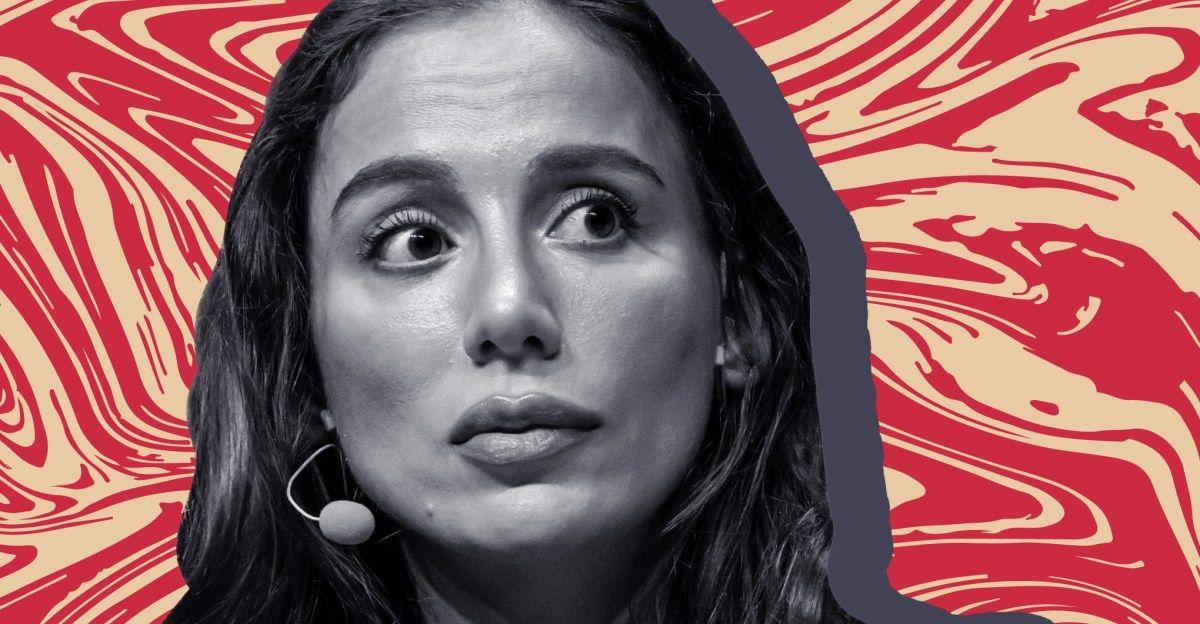
Source: The Verge
The November 2023 Ouster and Murati's Central Role
The deposition provided concrete details about Sam Altman's ouster in November 2023, an event that became the AI industry's biggest public drama. On November 16, 2023, four members of OpenAI's board of directors unanimously signed a document terminating Altman's employment, citing that he was "not consistently candid in his communications with the board."
1
Witness testimony revealed that Mira Murati had played an integral role in the lead-up to the firing, funneling information including screenshots, text message documentation, and allegations of mismanagement to cofounder Ilya Sutskever, who then presented a 52-page memo to the board of directors. Former board member Helen Toner testified that concerns from Murati and Sutskever materially advanced the board's own concerns about Altman's pattern of deceit and resistance to oversight.Text Messages Expose Murati's Rapid Shift
Despite her role in advancing concerns about Altman's leadership, Murati almost immediately switched her support once the ouster occurred. In 78 text messages exchanged over a 14-hour period between Sunday evening and Monday morning, Murati and Altman discussed his potential reinstatement.
1
Around 2:30am, when Altman asked for directional guidance, Murati responded "Directionally very bad. Sam this is very bad." She told him the board was convinced of their decision, stating "They've walked me through all the reasons and the issues with you and why you can't be ceo." Murati also revealed the board wanted "a new ceo in place tonight," referring to incoming interim CEO Emmett Shear as "rando twitch guy." She expressed hope that Microsoft CEO Satya Nadella could help undo the decision.Allegations of Undermining and Dishonesty
When lawyers asked Murati whether by fall 2023 she perceived Altman as candid, truthful, and honest, she responded "Not always."
4
She confirmed that Altman undermined her in her role as CTO and pitted other executives against one another. These revelations provide context for the board's vague explanation at the time, which sparked widespread speculation about the real reasons behind the firing. The testimony suggests a pattern of behavior that extended beyond single incidents to broader issues with governance and transparency at the non-profit turned commercial entity.Elon Musk's Courtroom Clash Over OpenAI's Origins
The courtroom clash between Elon Musk and Sam Altman has exposed a deeper battle over the company's origin story and mission. During heated exchanges, Musk declared "Without me, OpenAI wouldn't exist!" when OpenAI's lawyer William Savitt questioned his contributions.
3
Musk insisted he contributed his reputation and named the company, arguing these had significant value beyond his $38 million in donations—well short of the "up to $1 billion" he had initially offered. The exchange grew personal as Savitt probed whether OpenAI used Musk's donations to pay rent at the Pioneer Building, which Musk had leased and also used for his company Neuralink.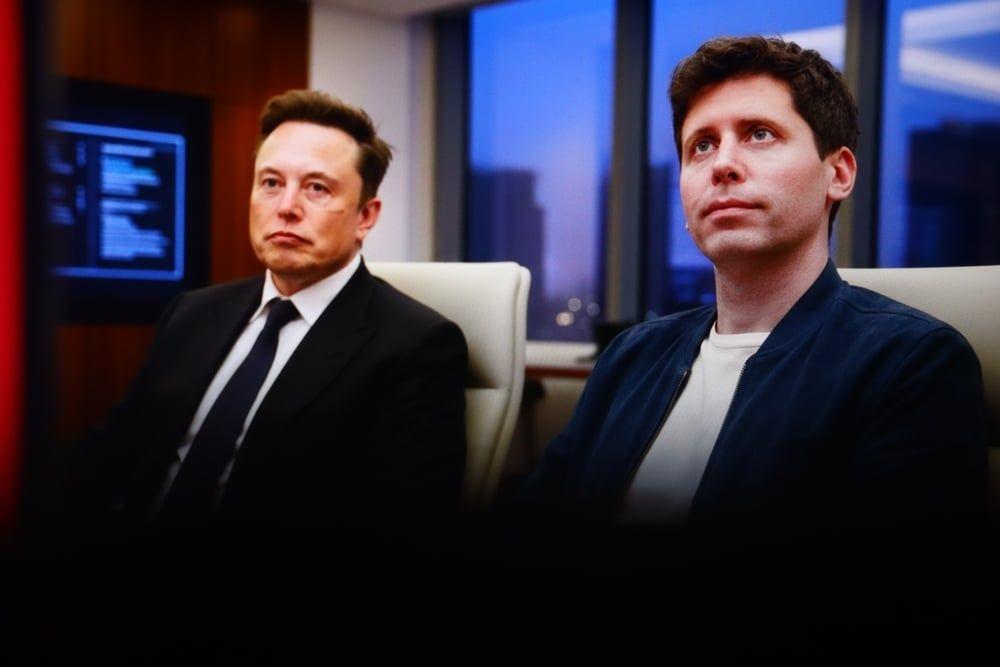
Source: Benzinga
Related Stories

Judge Limits AI's Existential Threat Discussion
Judge Yvonne Gonzalez Rogers made a significant ruling that could impact Elon Musk's case by limiting discussion of AI's existential threat to humanity. Before Musk returned to the witness stand for a third day, the judge stated "We are not going to get into issues of catastrophe and extinction."
2
When Musk's attorney Steven Molo attempted to argue the point, claiming "This is a real risk, we all could die as a result of artificial intelligence," the judge delivered a pointed response: "I suspect that there are a number of people who do not want to put the future of humanity in Mr. Musk's hands."5
This ruling matters because Musk's lawyers have worked to stress the existential nature of his concerns, attempting to frame his lawsuit as protecting the world rather than hurting a competitor to his own AI startup, xAI.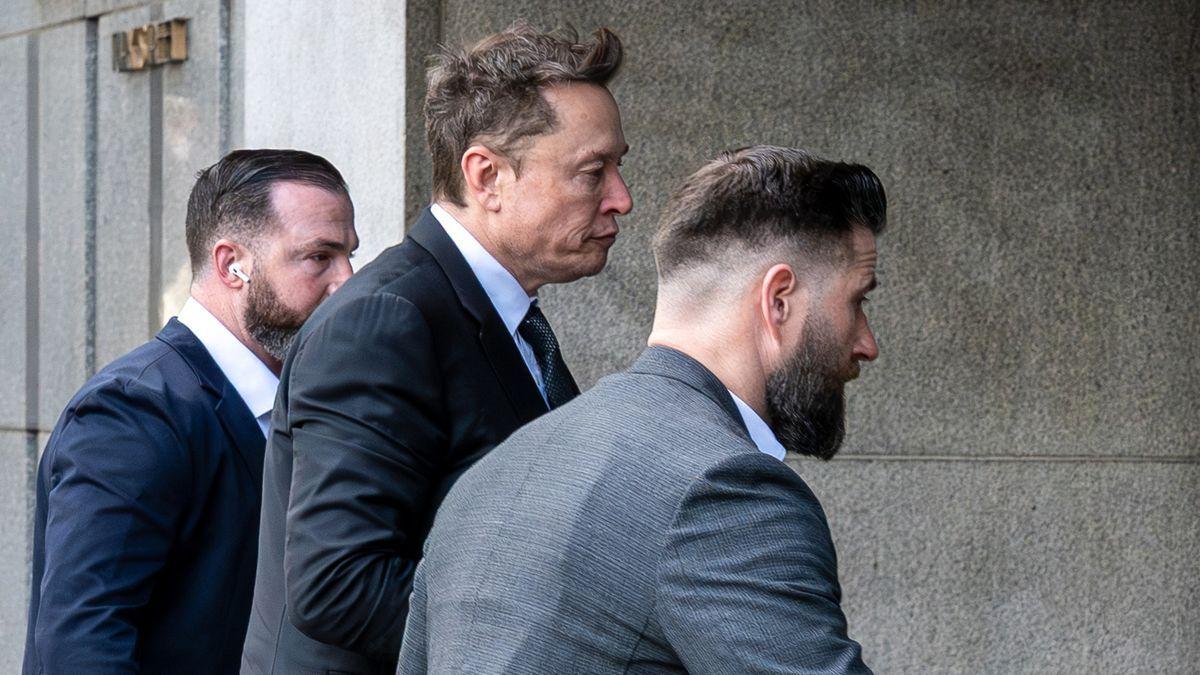
Source: TechRadar
Implications for OpenAI's Mission and Future
At its core, Elon Musk's lawsuit against OpenAI alleges the company illegally betrayed its founding non-profit mission by transforming into a for-profit entity.
4
Musk has named OpenAI president Greg Brockman and Microsoft as part of the case, claiming they played roles in the shift toward commercialization. A Musk victory could trigger a major shake-up at the company and potentially lead to Altman's removal as CEO.5
The trial, expected to run several weeks with billions of dollars at stake, captures a central tension in the AI era: the people building the technology continue debating how dangerous it might be even as they build it at speed. For those watching the AI industry, the case offers rare insight into internal conflicts over safety protocols, governance, and the balance between mission-driven development and commercial reality.References
Summarized by

Navi
[4]
Related Stories
Ilya Sutskever's Explosive Testimony Reveals Internal Chaos Behind Sam Altman's OpenAI Ouster
06 Nov 2025•Business and Economy
OpenAI insiders question Sam Altman's trustworthiness as CEO controls future of AI
06 Apr 2026•Policy and Regulation
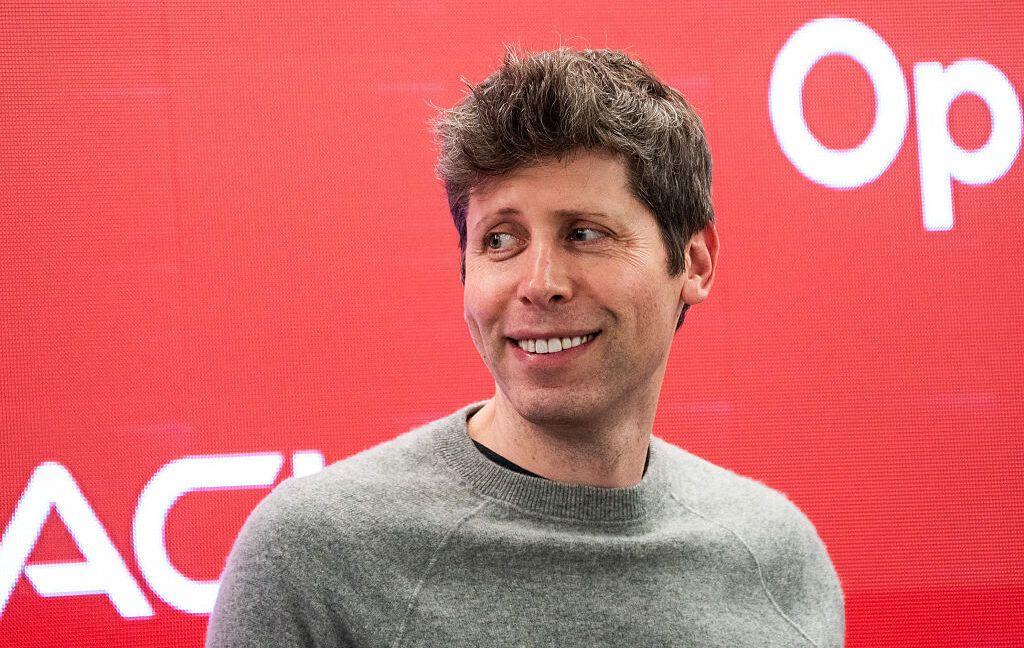
Elon Musk tried to recruit Sam Altman to Tesla AI lab before OpenAI split, trial reveals
30 Apr 2026•Business and Economy
Recent Highlights



Recent Highlights
Today's Top Stories



Don’t drown in AI news. We cut through the noise - filtering, ranking and summarizing the most important AI news, breakthroughs and research daily. Follow topics that matter to you and stay ahead.


