Sam Altman's World ID expands human verification through iris scans as bots flood the internet


2 Sources
[1]
Sam Altman Wants to Know Whether You're Human
The opening moments of the 1982 film Blade Runner introduce viewers to a world of artificially intelligent beings that are "virtually identical" to humans. To tell man from machine, people rely on something called the Voight-Kampff test, which is a little like a polygraph; robot irises exhibit
[2]
Can Sam Altman make proving you're human seem cool -- and essential?
Last weekend, I stopped by a gadget kiosk at my local mall -- but not to buy a phone case or get a cracked screen replaced. Instead, I was there to get my irises and face scanned by a device called the Orb so I could receive a credential known as a World ID. Its purpose: to provide verifiable proof
Share
Copy Link
Sam Altman's Tools for Humanity is expanding World ID, a verification service that uses iris scans from basketball-sized orbs to certify personhood online. The OpenAI CEO is positioning it as a solution to AI-generated bots, deepfakes, and impersonation scams. Zoom, Docusign, and Tinder are integrating the technology, though one partnership claim was recently walked back.
Sam Altman Tackles the Bot Problem with Biometric Verification
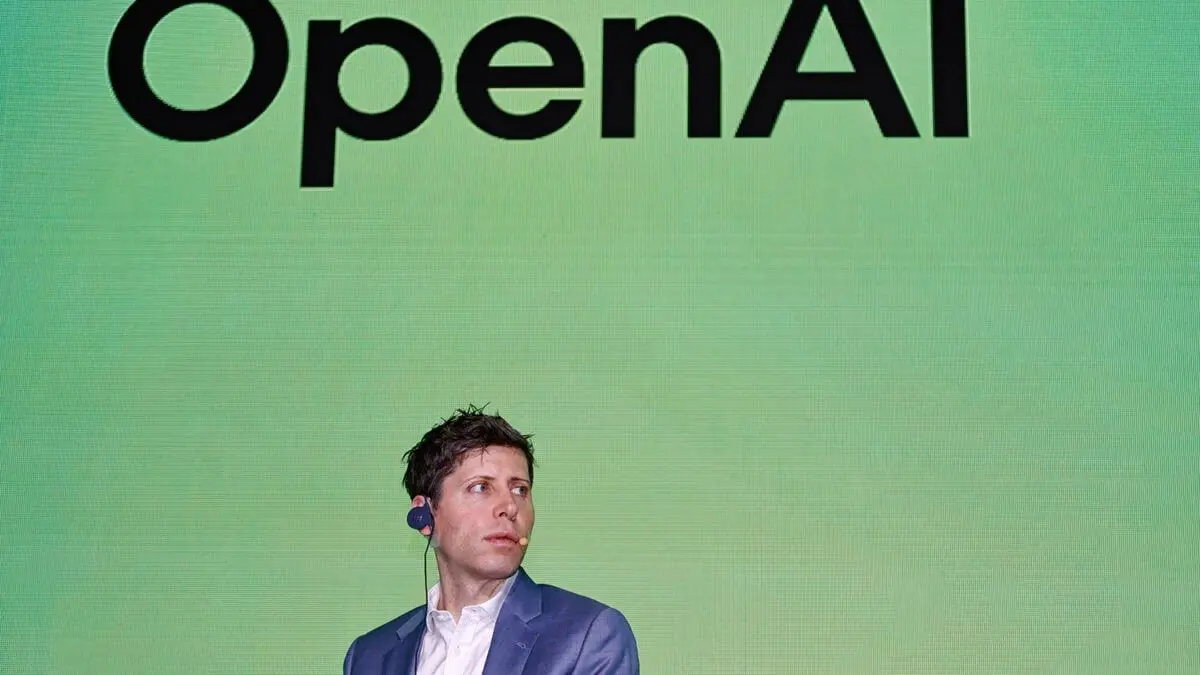
Sam Altman, the OpenAI CEO who helped accelerate the AI revolution, is now selling a solution to one of its most troubling consequences: distinguishing humans from machines online
1
. Last week, he announced a major expansion of World ID, a human verification service created by Tools for Humanity, a start-up Altman co-founded in 2019 alongside Alex Blania and Max Novendstern1
2
. The service aims to provide proof of personhood in a digital landscape increasingly populated by AI-generated bots, deepfakes and phishers.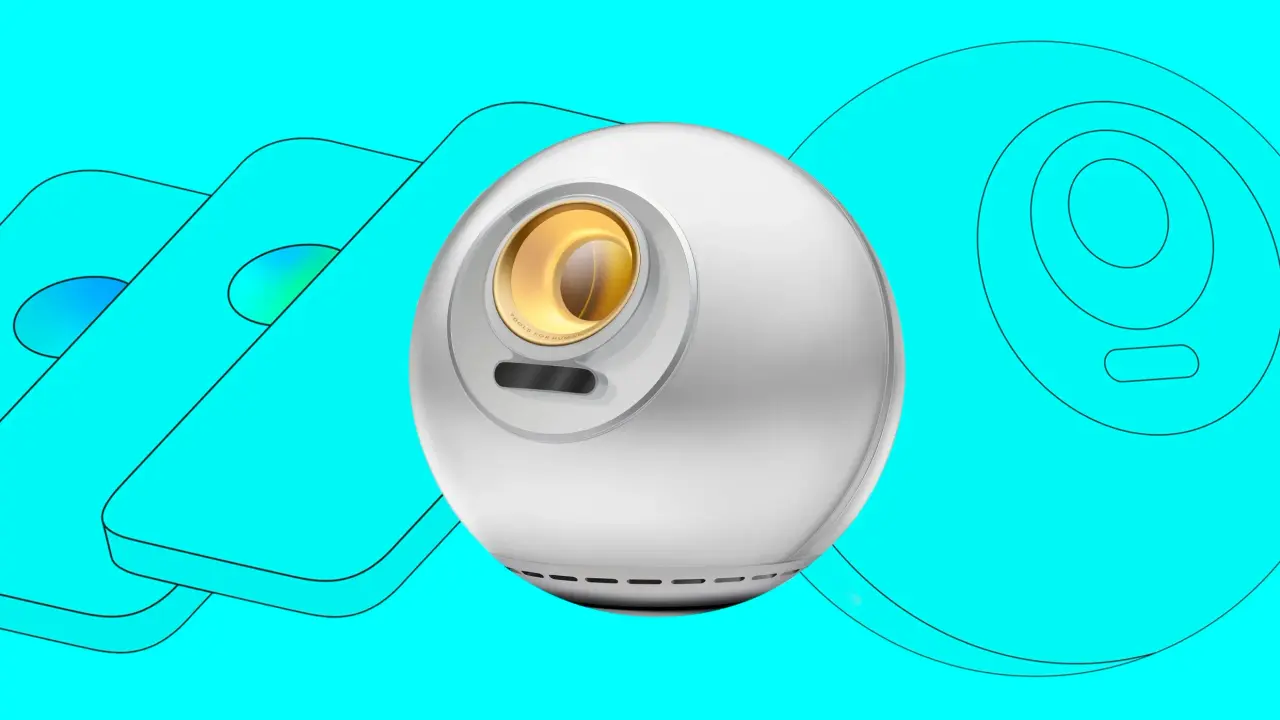
Source: Fast Company
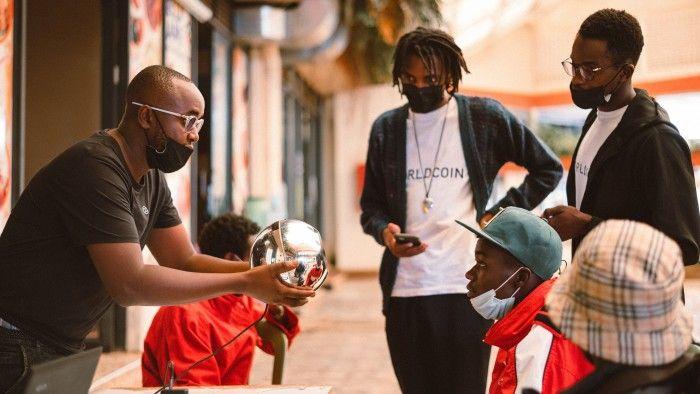
To obtain a World ID, users must undergo iris scans by staring into the Orb, a basketball-sized camera device that Tools for Humanity has deployed in stores, restaurants, coffee shops, and even mall kiosks around the world
1
2
. The Orb captures biometric data from users' irises and faces, encrypts it to protect privacy, and generates a digital passport that can be used across various sites and apps1
. The authentication process takes just a few minutes, after which users receive confirmation of their human status through the World app.
Source: The Atlantic
Major Platforms Adopt Digital Identity Verification Technology
Tools for Humanity announced partnerships with several major platforms to integrate World ID verification. Zoom and Docusign will begin supporting Orb-backed verification for some users, while Tinder plans a global rollout after testing the technology in Japan
1
. These apps pay fees as people complete the authentication process, though users themselves aren't charged. However, the company stumbled in its messaging when it falsely claimed Bruno Mars's world tour would use Concert Kit, an adjacent product designed to help musicians reserve tickets for verified humans to combat scalping. Both Live Nation and the singer's management denied the partnership, forcing Tools for Humanity to walk back the claim1
.The Rising Threat of Deepfakes and Impersonation Scams
The expansion of World ID addresses a genuine cybersecurity threat. While AI may offer benefits like improved education and healthcare, the technology has made it dramatically easier to deceive people online
1
. Deepfaked imposters have become so convincing that they've already been deployed in impersonation scams netting millions of dollars for cybercriminals2
. With a few simple prompts, anyone can create realistic digital alter egos, while agentic AI is introducing faceless digital assistants that can pass for humans1
. Cloudflare CEO Matthew Prince recently predicted that by next year, bots will outnumber humans online2
.Related Stories
From Worldcoin to Mainstream Adoption in the Digital Age
World ID evolved from Worldcoin, a cryptocurrency venture that launched in 2023 and rewarded users with tokens for their Orb scans
1
. While Worldcoin still exists and users can still collect crypto upon verification, Tools for Humanity has downplayed that aspect as the vision has matured. The words crypto and blockchain were notably absent from last week's presentation1
. The device itself has undergone aesthetic changes, evolving from what one observer called an "evil-looking" chrome-encased sphere to something resembling a friendlier street lamp1
.Altman positions World ID as an evolution of CAPTCHA, the security program used for nearly 30 years to identify bots and prevent website attacks
1
2
. As AI models now convincingly generate even the slightest details in images and videos, traditional personhood verification methods have become inadequate. Whether this biometric approach gains widespread acceptance remains to be seen, but the need to distinguish humans online grows more urgent as agents and bots continue flooding digital spaces.References
Summarized by

Navi
[1]
Related Stories
Sam Altman's World Launches in US with Eye-Scanning Orbs and Cryptocurrency
01 May 2025•Technology

Zoom partners with World ID to verify humans in meetings as deepfake fraud surpasses $200 million
17 Apr 2026•Technology

Sam Altman's World Expands Eye-Scanning Digital ID Project to UK Amid AI Concerns
09 Jun 2025•Technology
Recent Highlights
1
Microsoft and Nvidia Launch Surface Laptop Ultra: A $2,599 AI-Ready PC With RTX Spark Chip
Technology

2
Trump Consulted Grok AI Before Ordering Venezuela Invasion and Capture of Nicolás Maduro
Policy and Regulation

3
Scientists Build AI Model That Reconstructs Images From Brain Scans in Record Time
Science and Research

Recent Highlights
Today's Top Stories





Don’t drown in AI news. We cut through the noise - filtering, ranking and summarizing the most important AI news, breakthroughs and research daily. Follow topics that matter to you and stay ahead.


