Sam Altman warns AI skepticism is rising as Americans blame technology for layoffs and energy costs


2 Sources
2 Sources
[1]
'AI Is Not Very Popular In The US Right Now,' Sam Altman Warns As Americans Blame Technology For Layoffs, Rising Energy Costs - Alphabet (NASDAQ:GOOG), Alphabet (NASDAQ:GOOGL)
OpenAI CEO Sam Altman said AI is facing growing public skepticism in the United States, as Americans increasingly blame the technology for rising energy costs and corporate layoffs, even when it may not be directly responsible. AI Skepticism Rises In The US On Tuesday, Altman made the remarks during an appearance at BlackRock's US Infrastructure Summit in Washington, D.C., warning of "a bunch of potential headwinds" slowing AI adoption. "AI is not very popular in the U.S. right now," Altman said. He added, "Data centers are getting blamed for electricity price hikes. Almost every company that does layoffs is blaming AI, whether or not it really is about AI." He also highlighted tensions over control and responsibility: "There's this real debate about the relative power between governments and companies going on." AI Innovation And Economic Impact Investor Vinod Khosla predicted AI would handle 80% of jobs by 2030, potentially replacing much of the $15 trillion in U.S. labor output. He added that this shift could sharply reduce costs, dramatically increase purchasing power by 2040, and lessen the need for traditional work. Disclaimer: This content was partially produced with the help of AI tools and was reviewed and published by Benzinga editors. Photo courtesy: Shutterstock Market News and Data brought to you by Benzinga APIs To add Benzinga News as your preferred source on Google, click here.
[2]
OpenAI CEO Sam Altman says AI is not popular in US, here's why
'Data centres are getting blamed for electricity price hikes. Almost every company that does layoffs is blaming AI, whether or not it really is about AI,' he said. OpenAI CEO Sam Altman has said that AI is currently facing issues in the US. Speaking at the BlackRock US Infrastructure Summit in Washington, DC, Altman said, 'AI is not very popular in the US right now.' He explained that the industry is dealing with several challenges that could slow down the adoption of AI. According to Altman, one of the key issues is that AI is getting blamed for problems that may not always be directly related to it. 'Data centres are getting blamed for electricity price hikes. Almost every company that does layoffs is blaming AI, whether or not it really is about AI,' he said, reports Business Insider. 'There's this real debate about the relative power between governments and companies going on.' Also read: From garage to the world: Tim Cook pens emotional note before Apple turns 50 Public opinion surveys also reflect these concerns. A recent poll by NBC News found that 57 per cent of voters believe the risks of AI are greater than its benefits. Another study conducted by the Pew Research Centre revealed that half of US adults feel more worried than excited about the increasing use of AI. OpenAI has also been part of the debate recently. The company signed a deal with the United States Department of Defense shortly after the agency effectively restricted its rival Anthropic from working with it. Also read: iPhone 6s to iPhone X, these Apple devices get new iOS update: How to download Altman warned that political headwinds could affect the US in the global race for AI leadership. He said the US currently leads China in AI development, but maintaining that lead will require faster adoption across industries. 'If we don't move as quickly as other countries on economic adoption of this, then I think we will lose the advantage that we have from being the economic powerhouse that we are,' he said. 'And this is about how quickly companies adopt it. This is about how quickly our scientists adopt this, how quickly our government adopts it.' Despite the challenges, Altman believes AI could still transform the economy. 'I think this is a once in many generation opportunity to really improve the economy,' he said, 'really rewrite some of the rules of society that aren't working in light of this new incredible wealth fountain we have.'
Share
Share
Copy Link
OpenAI CEO Sam Altman says AI is facing growing public skepticism in the United States, with data centers blamed for electricity price hikes and companies citing AI for layoffs whether or not it's truly responsible. Recent polls show 57% of voters believe AI's risks outweigh its benefits, raising concerns about America's competitive edge in global AI development.
OpenAI CEO Sam Altman Flags Growing AI Unpopularity in US
OpenAI CEO Sam Altman issued a stark warning about the current state of artificial intelligence acceptance in America during his appearance at BlackRock's US Infrastructure Summit in Washington, D.C. on Tuesday. "AI is not very popular in the U.S. right now," Altman stated, pointing to what he described as "a bunch of potential headwinds" that could significantly slow AI adoption across the country
1
. The remarks come at a critical juncture as the United States attempts to maintain its lead over China in global AI development, with public sentiment threatening to undermine that economic advantage.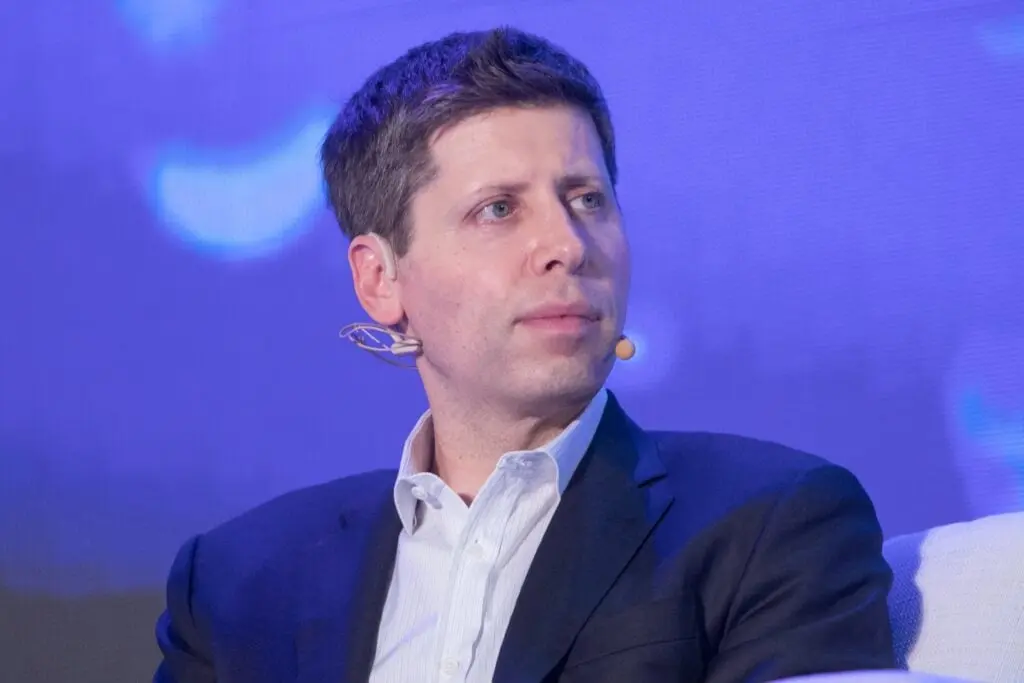
Source: Benzinga
Data Centers Blamed for Rising Energy Costs and Corporate Layoffs
According to Altman, AI is increasingly blamed for rising energy costs even when the connection remains unclear. "Data centers are getting blamed for electricity price hikes," he explained, highlighting how the infrastructure supporting AI systems has become a lightning rod for public frustration over rising electricity prices
2
. The situation extends beyond energy concerns. "Almost every company that does layoffs is blaming AI, whether or not it really is about AI," Altman noted, suggesting that corporations may be using the technology as a convenient scapegoat for job losses that might stem from other business decisions1
. This pattern of AI blamed for layoffs has intensified public skepticism toward the technology, regardless of its actual role in workforce reductions.Public Opinion Reflects Deep Concerns About AI Risks
The AI skepticism Altman described finds strong support in recent polling data. A survey conducted by NBC News revealed that 57% of voters now believe the risks associated with AI outweigh its potential benefits
2
. Research from the Pew Research Centre further underscores this trend, showing that half of US adults report feeling more worried than excited about the increasing use of AI in daily life. These figures paint a picture of widespread public concern that extends beyond specific issues like energy consumption or employment to encompass broader anxieties about the technology's trajectory. Altman also pointed to tensions over governance, noting "There's this real debate about the relative power between governments and companies going on"1
.
Source: Digit
Related Stories

Political Headwinds Threaten US Leadership in Global AI Race
The OpenAI chief expressed particular concern about how political headwinds could erode America's current advantage in artificial intelligence development. While acknowledging that the US currently leads China in AI capabilities, Altman warned that maintaining this position requires rapid adoption across multiple sectors. "If we don't move as quickly as other countries on economic adoption of this, then I think we will lose the advantage that we have from being the economic powerhouse that we are," he cautioned
2
. He emphasized that speed matters across industries, scientific research, and government implementation alike. The stakes extend beyond technological supremacy to fundamental questions about economic competitiveness in an AI-driven future.Economic Transformation Despite Growing Resistance
Despite the challenges, prominent voices in the tech industry continue to predict massive economic shifts driven by AI. Investor Vinod Khosla forecast that AI would handle 80% of jobs by 2030, potentially replacing a substantial portion of the $15 trillion in U.S. labor output
1
. Khosla suggested this transformation could sharply reduce costs and dramatically increase purchasing power by 2040, fundamentally reshaping the relationship between work and economic prosperity. Sam Altman himself remains optimistic about the long-term potential, describing AI as "a once in many generation opportunity to really improve the economy" and "really rewrite some of the rules of society that aren't working in light of this new incredible wealth fountain we have"2
. The tension between these ambitious projections and current public resistance will likely shape policy debates and corporate strategies in the months ahead.References
Summarized by

Navi
Related Stories
Sam Altman warns companies are using AI washing to mask layoffs as job cuts surge
21 Feb 2026•Business and Economy
Block's 4,000-person layoff sparks debate: AI revolution or corporate cost-cutting in disguise?
05 Mar 2026•Business and Economy
Americans Express Deep Concerns Over AI's Impact on Jobs, Politics, and Society
19 Aug 2025•Technology

Recent Highlights
1
Meta unveils Muse Spark AI model as Superintelligence Labs makes its debut
Technology

2
Anthropic restricts Mythos AI model release, citing unprecedented cybersecurity capabilities
Technology

3
Anthropic sends Claude AI to psychiatrist, discovers functional emotions that shape behavior
Science and Research
Recent Highlights
Today's Top Stories






Your Daily Dose of Curated AI News
Don’t drown in AI news. We cut through the noise - filtering, ranking and summarizing the most important AI news, breakthroughs and research daily. Spend less time searching for the latest in AI and get straight to action.

