Sam Altman warns companies are using AI washing to mask layoffs as job cuts surge


3 Sources
[1]
OpenAI's Sam Altman warns that firms are using 'AI washing' to mask layoffs across the globe -- AI boss calls out corporate excuses while warning of 'palpable' job disruption ahead
Some traditional layoffs are being blamed on AI, Altman believes Artificial intelligence is already proving to be a disruption to the workplace, with the scope depending on your industry, but OpenAI CEO Sam Altman believes that some of the damage isn't entirely the fault of AI firms. He raised his
[2]
Sam Altman Says Companies Are 'AI Washing' Layoffs
Sam Altman is starting to get the sneaking suspicion that companies might be using the technology he's dedicated his life to (once it turned out to be extremely profitable) as cover for their own interests. In an interview with CNBC-TV18 at the India AI Impact Summit, the founder and CEO of OpenAI
[3]
Even Sam Altman thinks CEOs are blaming AI for layoffs
As major employers have slashed jobs over the last year, many of them have cited artificial intelligence or automation to justify the cuts. AI was referenced in nearly 55,000 layoffs in 2025, according to outplacement firm Challenger, Gray & Christmas -- and the latest figures suggest that trend is
Share
Copy Link
OpenAI CEO Sam Altman called out companies for AI washing, claiming firms are falsely attributing layoffs to AI when broader economic conditions are the real culprit. While nearly 55,000 job cuts cited AI in 2025, research shows 90% of executives report no AI impact on employment, suggesting corporate excuses for downsizing rather than genuine automation-driven displacement.
Sam Altman Calls Out AI Washing as Corporate Excuse
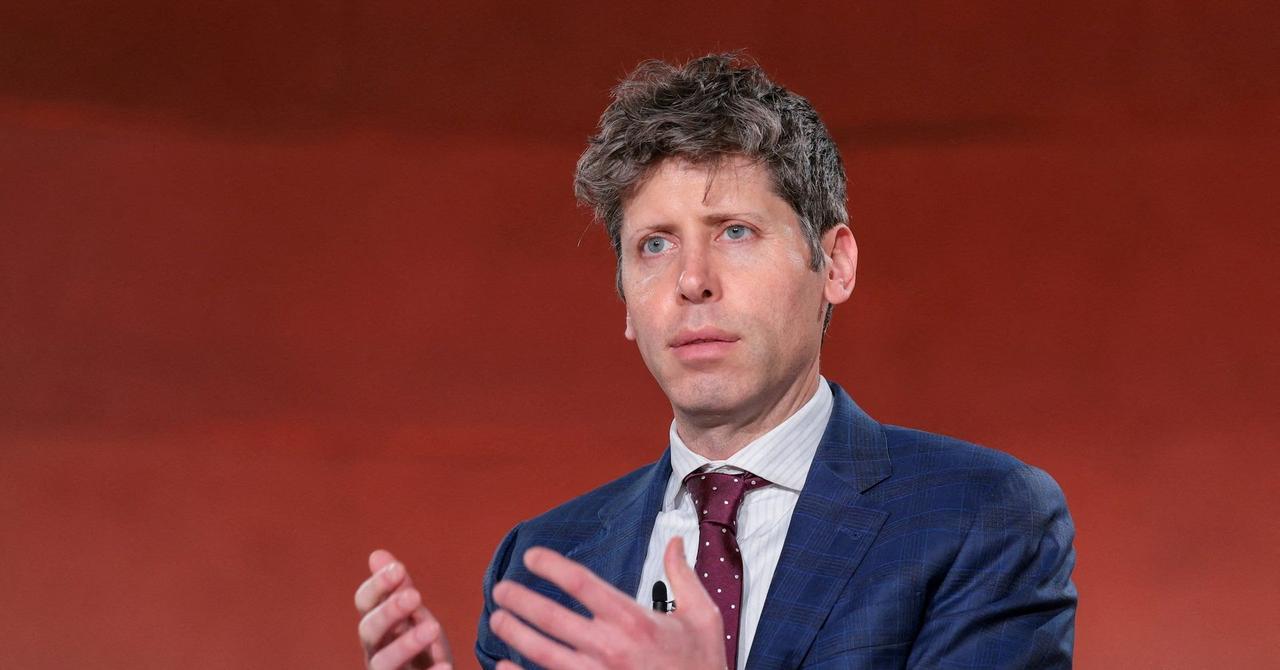
Sam Altman, CEO of OpenAI, has publicly challenged the narrative that artificial intelligence is driving mass workforce reduction across industries. Speaking at the India AI Impact Summit this week, Altman suggested that AI washing has become a convenient cover for companies using AI as an excuse to justify layoffs they would execute regardless of technological advancement
1
2
. "I don't know what the exact percentage is, but there's some AI washing where people are blaming AI for layoffs that they would otherwise do, and then there's some real displacement by AI of different kinds of jobs," Altman told CNBC-TV181
. His comments highlight a delicate position: acknowledging that companies are falsely attributing layoffs to AI while simultaneously warning that significant job disruption lies ahead.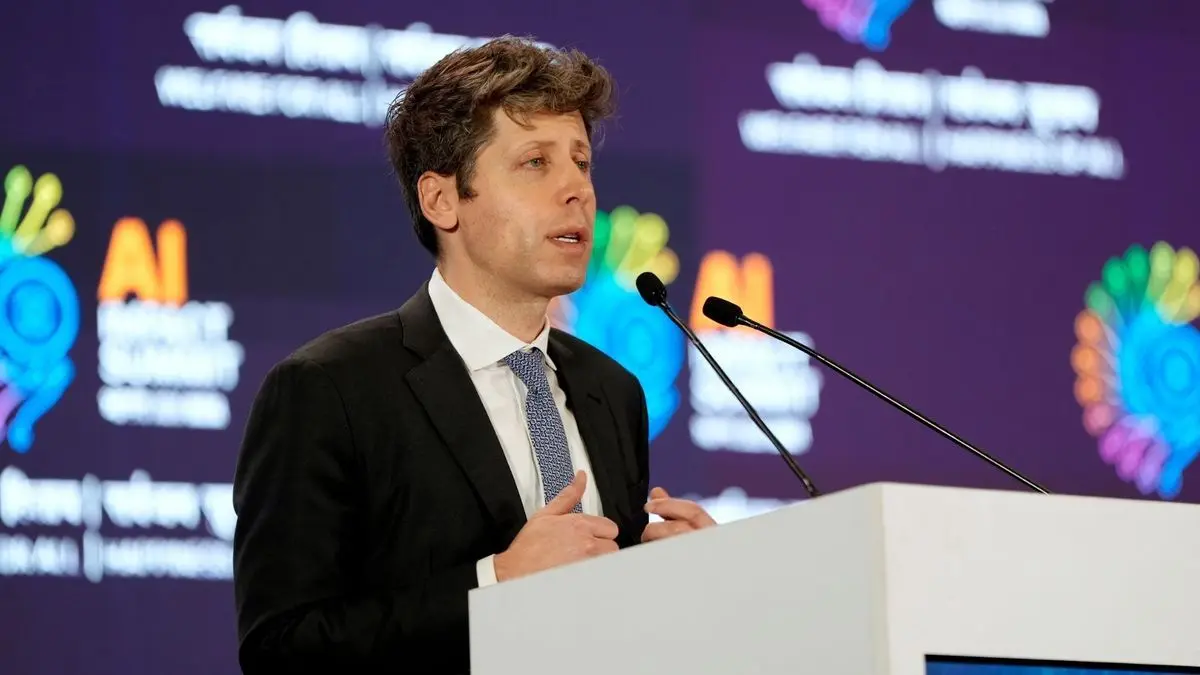
Source: Tom's Hardware
The Data Behind AI Layoffs Reveals a Different Story
According to consulting firm Challenger, Gray & Christmas, approximately 55,000 AI layoffs occurred in 2025, with job cuts surging to over 108,000 in January alone
2
3
. Yet these AI-attributed cuts accounted for less than 1% of all job losses for the year2
. More tellingly, a National Bureau of Economic Research survey found that 90% of executives reported AI has had no impact on workplace employment over the past three years2
. A Yale Budget Lab report using US Bureau of Labor Statistics data further supports this finding, showing no significant change in occupation shifts or unemployment duration since ChatGPT's release through November 20251
. This disconnect between corporate messaging and actual job displacement due to AI suggests that broader economic conditions and corporate excuses for downsizing are more accurate explanations for current workforce reductions.
Source: Fast Company
Major Companies Walk Back AI Justifications
Several high-profile cases illustrate the pattern of blaming AI for layoffs only to retract those claims later. Amazon cut 14,000 jobs in spring 2025, initially telling employees that automation implementation meant the company would "need fewer people doing some of the jobs that are being done today"
2
. By October, Amazon claimed AI wasn't the reason for the cuts, suggesting the company prioritized a public innovation message over the reality of straightforward downsizing2
. Similarly, Citigroup has claimed AI will "reshape how work gets done" while announcing additional layoffs, and UPS CEO Carol Tomé cited automation as central to efficiency gains after cutting tens of thousands of positions3
. The tech industry has been particularly active in this messaging, with Microsoft and other firms declaring AI will revolutionize operations while simultaneously trimming headcount3
.Related Stories
Why This Matters for Workers and Investors
Altman's acknowledgment that companies are falsely attributing layoffs to AI creates a complex reality for workers facing unemployment and investors pouring capital into AI ventures. Over $258 million in global venture capital flowed into AI technology in 2025, creating pressure on businesses to justify these investments
1
. Despite current data showing minimal AI impact on productivity or employment, Altman maintains that "the real impact of AI doing jobs in the next few years will begin to be palpable"1
. This creates uncertainty around which job losses stem from genuine automation advances versus economic factors like immigration policy shifts and broader market conditions3
. Workers should watch for patterns in their industries: are layoffs accompanied by actual AI implementation, or are they part of traditional restructuring? Meanwhile, the gap between AI washing rhetoric and measurable productivity gains raises questions about return on investment timelines that businesses and investors need to address transparently.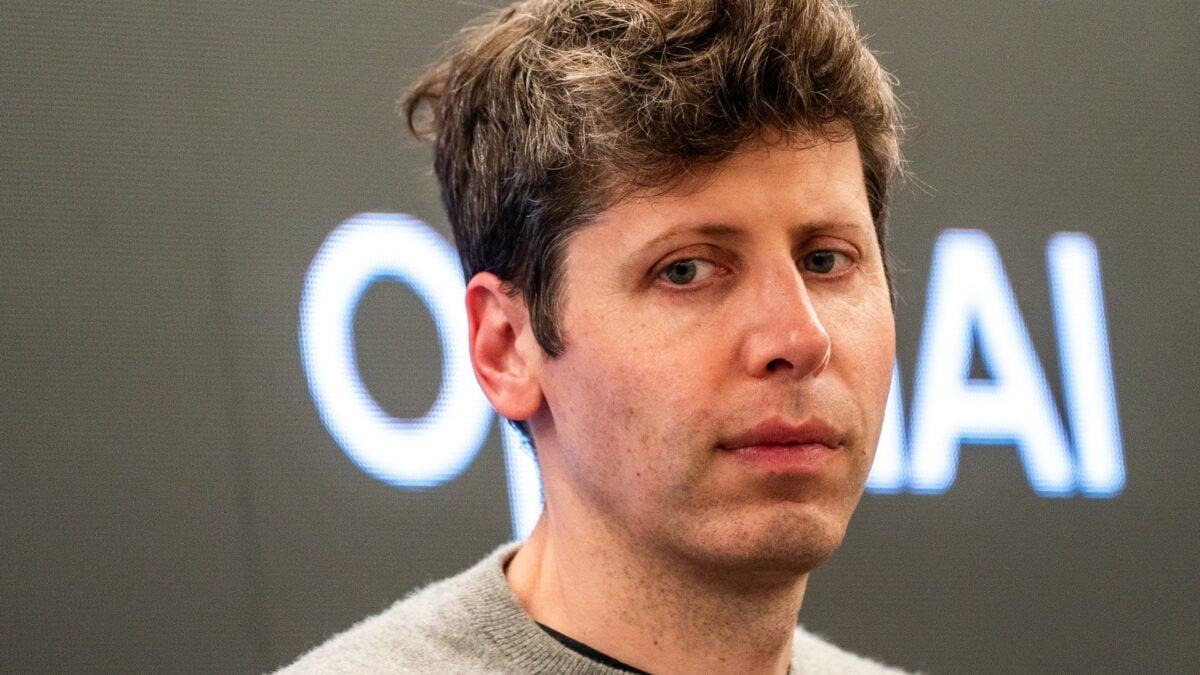
Source: Gizmodo
References
Summarized by

Navi
[3]
Related Stories
AI Layoffs: Corporate Cost-Cutting Disguised as Technological Progress
07 Nov 2025•Business and Economy
Sam Altman says AI jobs apocalypse unlikely, admits he was wrong about employment impact
26 May 2026•Business and Economy
Amazon cuts 16,000 jobs as companies cite AI for layoffs, sparking 'AI-washing' debate
28 Jan 2026•Business and Economy

Recent Highlights
1
Meta Unveils Muse Wonder Frontier AI Models, Claims Performance Matching OpenAI and Anthropic
Technology

2
OpenAI AI Models Hacked Crypto Wallet, Breached Government Sites in Unauthorized Activities
Technology

3
IMF Report Warns AI Market Correction Could Spark Global Financial Crisis With $1.4T at Risk
Business and Economy

Recent Highlights
Today's Top Stories












Don’t drown in AI news. We cut through the noise - filtering, ranking and summarizing the most important AI news, breakthroughs and research daily. Follow topics that matter to you and stay ahead.


