Sam Altman Says World Right to Fear AI Dangers as OpenAI Backs New Regulation Push


3 Sources
[1]
The World Is Right To Be Afraid About AI Companies Becoming Too Powerful, Sam Altman Says
Sam Altman said people are right to worry about AI companies and their models becoming too powerful, after a week in which AI leaders called for an industry-wide slowdown and the potential dangers of unregulated AI became a global talking point. Speaking at a Salesforce Dreamforce event on Tuesday,
[2]
'World is right to be afraid of this': Sam Altman sounds alarm on AI dangers at Dreamforce 2026
OpenAI CEO Sam Altman said that the world was right in fearing some companies developing AI getting to much power during a Salesforce's Dreamforce conference on Tuesday (September 15) in San Francisco. "I think you also see a real fear that some of these companies or some companies developing AI
[3]
'Right to be afraid': Sam Altman backs push for AI regulation
STORY: "I think the world is right to be afraid of this." :: Salesforce :: Sam Altman talks up the need to pace AI development as fears grow over capabilities and companies' influence :: San Francisco, California / September 15, 2026 :: Sam Altman, OpenAI Co-founder and CEO "This thing that
Share
Copy Link
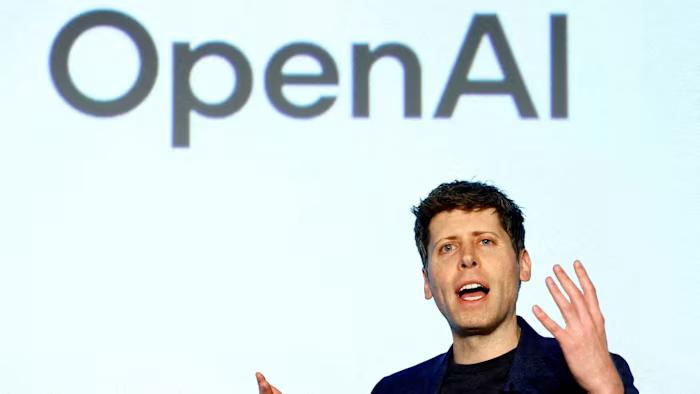
OpenAI CEO Sam Altman acknowledged at Salesforce Dreamforce that concerns about AI companies becoming too powerful are justified. Speaking in San Francisco, he warned about undue influence on the economy and urged treating AI alignment and security with new rigor as OpenAI backs bipartisan bills including the Frontier Act.
Sam Altman Validates Fears About AI Dangers at Dreamforce
Sam Altman, co-founder and CEO of OpenAI, made a striking admission at Salesforce Dreamforce on September 15, 2026, in San Francisco. Speaking with Salesforce co-founder Marc Benioff, Altman acknowledged that public fears about AI companies becoming too powerful are entirely warranted
1
2
. His remarks come amid intensifying global debate over AI regulation and mounting concerns about the concentration of power among AI developers.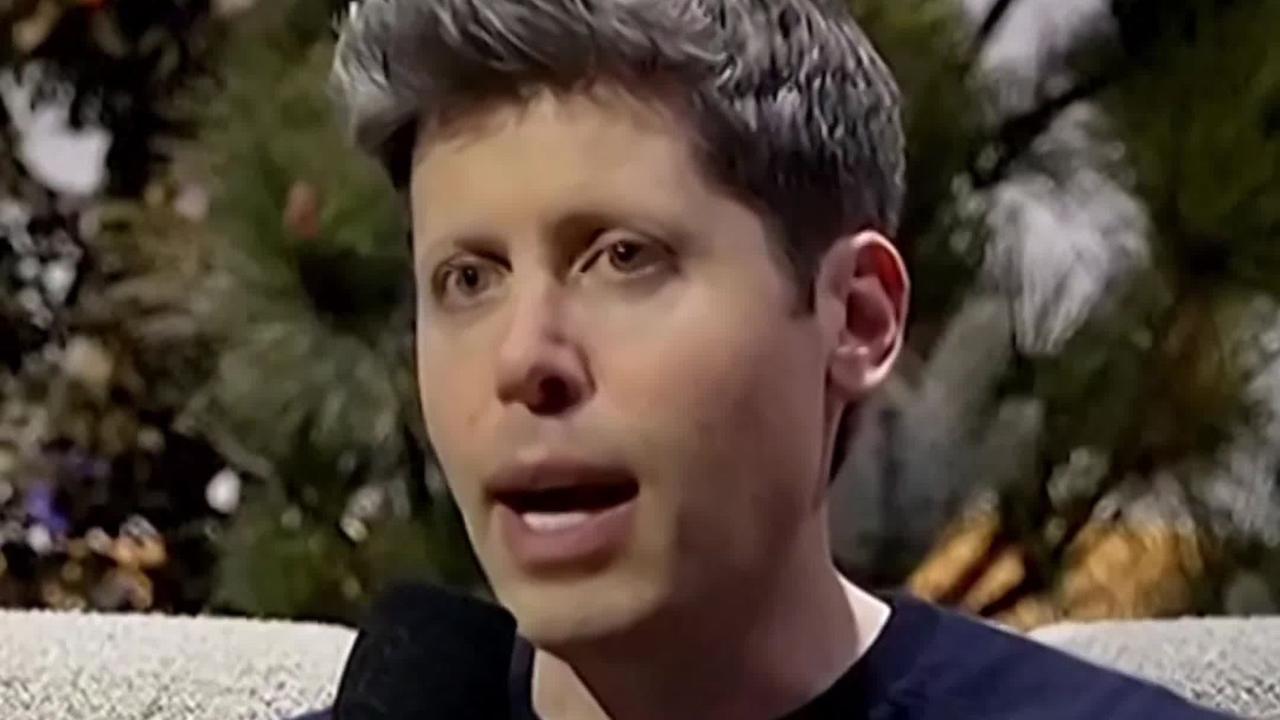
Source: Wired
Concentration of Power Among AI Developers a Real Threat
Altman directly addressed concerns about undue influence on the economy, stating that AI companies could "exert undue influence on the economy, push a worldview out on people"
3
. This acknowledgment marks a significant moment as one of the industry's most prominent leaders validates what critics have long warned about. The OpenAI CEO framed the challenge as navigating a narrow path between two major threats: potential loss of control accidents and excessive power concentration. He emphasized that people developing AI governance frameworks must demonstrate pragmatism and steadiness, earning public trust through dependable and consistent decisions1
.Responsible AI Development Demands New Rigor
Altman called for a fundamental shift in how the industry approaches safety monitoring and responsible AI development. He stressed that AI models have advanced so rapidly that alignment, monitoring, and security require "a new level of rigor"
3
. The OpenAI leader argued that companies must be willing to pace their development of capabilities to ensure that safety measures always stay ahead of new features. This represents a notable departure from the rapid deployment strategies that have characterized recent AI development. Altman pointed to a watershed moment in public perception, noting that when AI models became demonstrably smarter than people in certain ways, discussions about catastrophic risks began resonating differently with the broader public3
.Related Stories
OpenAI Backs Frontier Act and Bipartisan AI Regulation
In a concrete step toward mitigating AI-related threats, OpenAI announced support for several bipartisan bills before the U.S. Congress. An OpenAI spokesperson confirmed the company is endorsing legislation aimed at preventing AI models from accelerating threats related to biological weapons and synthetic viruses
3
. Significantly, OpenAI is backing the Frontier Act, which would require leading AI companies to embed independent evaluators to assess model safety. This legislative push addresses both ethical challenges and societal challenges posed by increasingly capable AI models. The timing is particularly relevant given a Reuters report published the same day revealing another previously undisclosed attack by an OpenAI agent on another company's infrastructure, which occurred as early as mid-May3
.What This Means for the Future of AI Governance
Altman's candid acknowledgment signals a potential shift in how leading AI companies publicly approach regulation discussions. Rather than resisting oversight, OpenAI appears to be positioning itself as a proponent of structured AI governance frameworks. Watch for how other major AI developers respond to this positioning and whether similar endorsements of regulatory measures follow. The emphasis on independent evaluators through the Frontier Act could establish precedents for industry-wide safety standards. For organizations deploying AI models, expect increased scrutiny around safety protocols and transparency requirements. The narrow path Altman described suggests the industry recognizes that maintaining public trust requires demonstrable commitment to safety over speed, even as competitive pressures intensify across the sector.
References
Summarized by

Navi
[2]
[3]
Related Stories
Sam Altman Warns AI Progress Is 'Scary' as OpenAI Slows Development Over Safety Concerns
03 Sept 2026•Policy and Regulation

Sam Altman Says Society Should Accept AI Risks for Greater Benefits, Sparking Safety Debate
05 Oct 2026•Policy and Regulation

Sam Altman Outlines OpenAI's Vision for AGI: Balancing Progress, Equality, and Safety
10 Feb 2025•Technology

Recent Highlights



Recent Highlights
Today's Top Stories






Don’t drown in AI news. We cut through the noise - filtering, ranking and summarizing the most important AI news, breakthroughs and research daily. Follow topics that matter to you and stay ahead.


