Samsung Electro-Mechanics commits $5 billion to expand FC-BGA substrate production for AI servers


2 Sources
[1]
Samsung Electro-Mechanics to invest $3.14 bil. for substrate plant in Sejong - The Korea Times
The company also said the investment is part of a July commitment to invest 8 trillion won in the Chungcheong region and 15 trillion won in Busan by 2040. Samsung Electro-Mechanics said Monday it will invest 4.27 trillion won ($3.14 billion) to expand its semiconductor substrate production
[2]
Samsung Electro-Mechanics to Invest About $5 Billion in South Korea, Vietnam
Samsung Electro-Mechanics plans to invest about $5.0 billion to expand chip-substrate production in South Korea and Vietnam amid growing artificial intelligence-driven demand. The planned investment marks the company's largest-ever investment for a single product, the South Korean
Share
Copy Link
Samsung Electro-Mechanics announced a $5 billion investment to expand FC-BGA substrate production across South Korea and Vietnam, marking its largest-ever capital expenditure for a single product. The move addresses surging demand from AI servers and high-performance computing markets, backed by long-term partnerships with global Big Tech customers.
Samsung Electro-Mechanics announces historic $5 billion expansion
Samsung Electro-Mechanics revealed plans for a $5 billion investment to expand flip chip ball grid array substrate manufacturing across facilities in South Korea and Vietnam, representing the company's largest-ever capital expenditure for a single product
1
2
. The investment responds to surging demand for FC-BGA substrates driven by the expanding AI infrastructure market and high-performance computing sector. CEO Chang Duck-hyun emphasized that high-value semiconductor substrates have become critical components determining both semiconductor performance and supply chain stability in rapidly growing AI markets1
.Investment breakdown targets Sejong plant and Vietnam operations
The total investment of 6.78 trillion won ($4.99 billion) will be allocated strategically across two key manufacturing locations
2
. Samsung Electro-Mechanics will direct 4.27 trillion won ($3.14 billion) toward expanding production capacity at its Sejong plant in central South Korea, with the investment running from September 2026 through May 20281
. An additional 2.51 trillion won will flow through the company's Vietnam unit to expand production facilities there2
. Mass production on the new lines at the Sejong plant is scheduled to begin in September 2028, positioning the company to meet anticipated market demand1
.FC-BGA substrates connect AI accelerators to mainboards
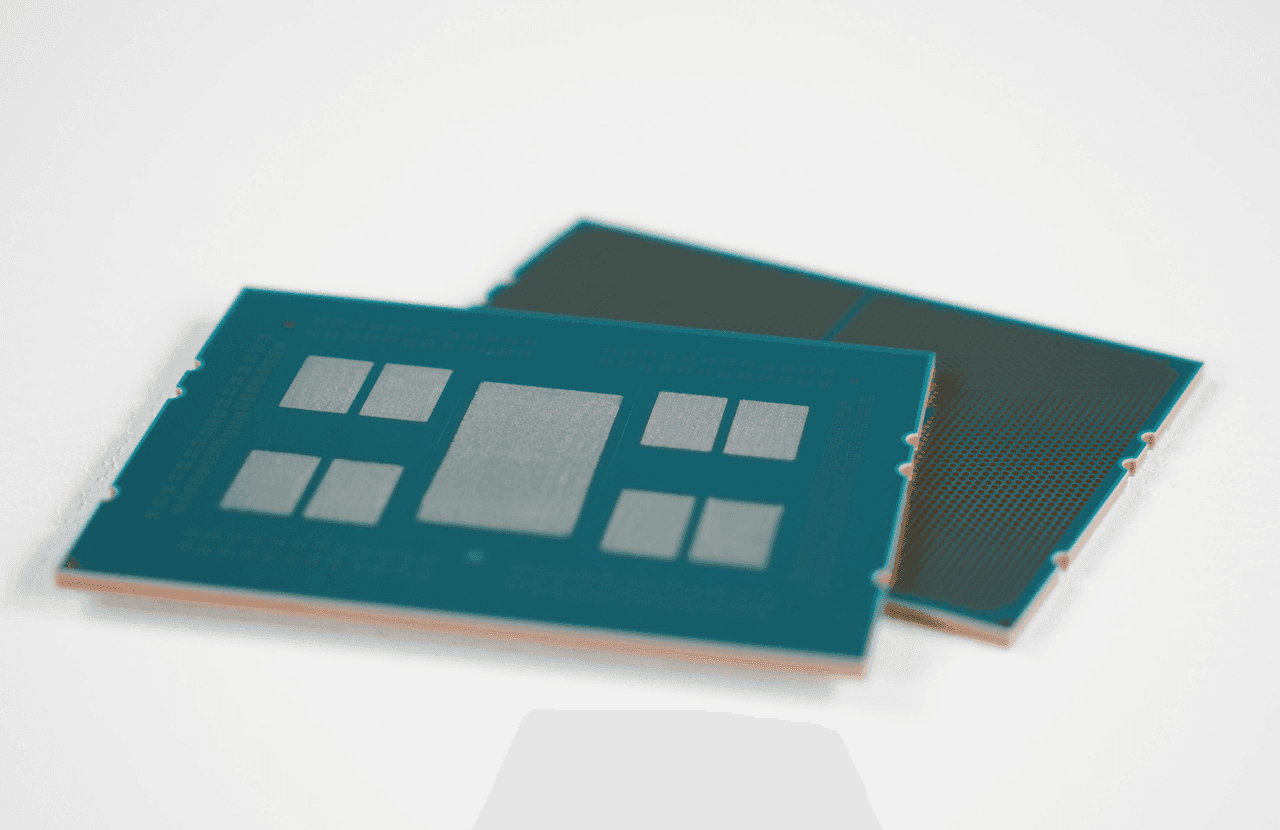
Source: Korea Times
FC-BGA substrates serve as highly integrated semiconductor components that connect high-performance chips—including AI accelerators, GPUs, and central processing units—to mainboards while transmitting electrical signals and supplying power
1
. These substrates have become essential as AI servers and data centers require increasingly sophisticated interconnect solutions. The investment in South Korea and Vietnam will specifically target production capacity for these advanced substrates, which are experiencing unprecedented demand from Big Tech customers building out AI infrastructure1
.Related Stories
Long-term partnerships with Big Tech customers secure demand base
Samsung Electro-Mechanics structured this expansion based on medium- to long-term partnerships with global Big Tech customers, which include financial support and guarantees for long-term demand
1
. These agreements provide the company with a stable demand base and strengthen its competitive position in the FC-BGA business across high-growth markets including AI servers, high-performance computing, and automotive applications1
. The company expects these partnerships to mitigate investment risk while ensuring sustained revenue streams as production scales up through 2028.Expansion aligns with broader regional investment commitments
This capital expenditure forms part of Samsung Electro-Mechanics' July commitment to invest 8 trillion won in the Chungcheong region, which includes Sejong, and 15 trillion won in the Busan area by 2040
1
. The phased approach demonstrates the company's confidence in sustained growth across semiconductor substrate markets over the next decade. Industry observers should monitor how competitors respond to this capacity expansion and whether additional Big Tech partnerships emerge as production facilities come online in 2028.References
Summarized by

Navi
[1]
[2]
Related Stories
Samsung plans $1.5 billion chip testing plant in Vietnam to ease global memory chip shortage
27 May 2026•Business and Economy

Samsung bets $73 billion on AI chips to close gap with SK Hynix and Taiwan Semiconductor
17 Mar 2026•Technology

Samsung Commits $310 Billion to AI Infrastructure with New Pyeongtaek Chip Facility
17 Nov 2025•Business and Economy

Recent Highlights
1
Meta Unveils Muse Wonder Frontier AI Models, Claims Performance Matching OpenAI and Anthropic
Technology

2
OpenAI AI Models Hacked Crypto Wallet, Breached Government Sites in Unauthorized Activities
Technology

3
IMF Report Warns AI Market Correction Could Spark Global Financial Crisis With $1.4T at Risk
Business and Economy

Recent Highlights
Today's Top Stories







Don’t drown in AI news. We cut through the noise - filtering, ranking and summarizing the most important AI news, breakthroughs and research daily. Follow topics that matter to you and stay ahead.


