Samsung's Gaia AI chip could solve Exynos overheating problems in future Galaxy devices


2 Sources
[1]
Samsung's secret AI chip could finally cool down Exynos phones
Samsung's GAIA AI chip is landing in laptops first, but its shared DNA with Exynos hints at a real fix for phones down the line. If you've ever owned an Exynos-powered Galaxy phone, you already know the drill: heavy tasks like capturing back-to-back pictures or photos for a while, heavy gaming, or
[2]
Samsung's Gaia AI accelerator just got a lot more interesting
Samsung's newest AI chip, codenamed Gaia, was built for laptops. But the Gaia AI accelerator may not stay there for long. Leaker Ice Universe first reported on Samsung's new AI chip. Samsung is already testing prototypes with Lenovo and HP, with mass production reportedly targeted for 2027. The
Share
Copy Link
Samsung is testing a new AI chip called Gaia with laptop makers HP and Lenovo, targeting mass production in 2027. Built by the same team behind Exynos phone chips, Gaia's memory-centric design handles on-device AI tasks efficiently. The architecture could eventually address the persistent thermal and performance issues that have plagued Exynos-powered Galaxy phones for years.
Samsung AI Chip Gaia Emerges from Exynos Division
Samsung has begun shipping early samples of a custom Samsung AI chip codenamed Gaia to laptop manufacturers including HP and Lenovo, with mass production 2027 targeted for commercial release
1
2
. The chip originates from Samsung's System LSI division, the same team responsible for developing Exynos phone chips that power Galaxy devices in markets outside the United States. According to renowned tipster Ice Universe, this shared development lineage suggests the technology could eventually migrate to mobile processors1
2
.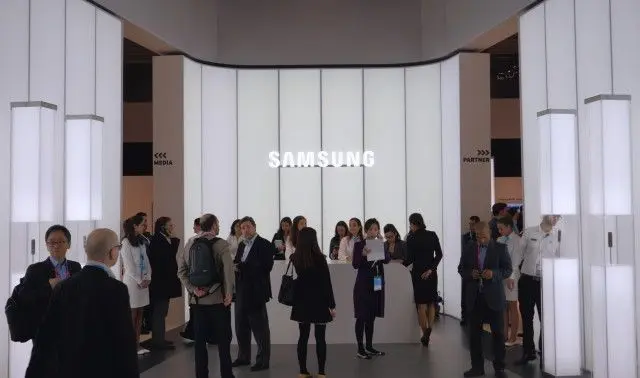
Source: Phandroid
Memory-Centric Architecture Powers On-Device AI Tasks
Built on a 4nm process, the Gaia AI accelerator employs a memory-centric architecture that positions compute power directly adjacent to custom DRAM
1
. This design reduces the physical distance data must travel between processing units and memory, enabling the chip to handle on-device AI tasks such as chatbot requests and photo editing locally without relying on cloud-based services. The architecture shares philosophical similarities with Apple's unified memory approach, though Gaia appears optimized specifically for AI hardware development rather than general computing1
. By keeping AI workloads on the device itself, the chip aims to deliver faster processing while reducing latency and improving privacy.Addressing Persistent Exynos Thermal Performance Issues
Exynos-powered Galaxy phones have long struggled with thermal performance during intensive operations. Heavy tasks like continuous photo capture, extended gaming sessions, or video rendering frequently cause devices to overheat while draining batteries rapidly
1
. The gap between Snapdragon and Exynos variants has been particularly noticeable in flagship Galaxy S devices, with the performance disparity evident in real-world testing1
. If Samsung applies Gaia's memory-centric design principles to future Galaxy devices, the architecture could meaningfully address these longstanding thermal and efficiency challenges that have plagued the Exynos lineup for years.Related Stories

What This Means for Future Galaxy Devices
While Samsung hasn't officially confirmed plans to integrate Gaia technology into mobile processors, the architectural blueprint offers a clear pathway for scaling down into future Exynos silicon
1
. The newest Exynos 2600 already incorporates AI efficiency improvements through a partnership with Nota AI, and a Gaia-derived AI accelerator could extend those gains further2
. Samsung's strategy of validating cutting-edge silicon in laptops before deploying it in phones reduces risk, allowing the company to refine the technology at scale before integrating it into devices consumers depend on daily1
. However, the chip won't solve all Exynos challenges, as modem issues remain a separate concern requiring independent fixes1
. Samsung previously attempted laptop chip development with Exynos processors in Chromebooks back in 2012, shelving that project two years later, though the AI-focused nature of Gaia represents a different strategic direction2
.References
Summarized by

Navi
[1]
Related Stories
Samsung's Gaia AI accelerator enters testing with HP and Lenovo for next-generation AI PCs
09 Jul 2026•Technology

Samsung Galaxy AI Strategy: Moving Beyond Apps to Autonomous Agentic Models
05 Aug 2026•Technology

Samsung unveils Exynos 2600, world's first 2nm smartphone chip set to power Galaxy S26 series
19 Dec 2025•Technology

Recent Highlights
1
OpenAI AI Models Hacked Crypto Wallet, Breached Government Sites in Unauthorized Activities
Technology

2
IMF Report Warns AI Market Correction Could Spark Global Financial Crisis With $1.4T at Risk
Business and Economy

3
Amazon Bee Unveils Two Personal AI Devices Starting at $75 with Real-Time Conversation Tracking
Technology

Recent Highlights
Today's Top Stories










Don’t drown in AI news. We cut through the noise - filtering, ranking and summarizing the most important AI news, breakthroughs and research daily. Follow topics that matter to you and stay ahead.


