SK Hynix Ships Next-Generation HBM4E Memory Samples as AI Chip Demand Accelerates Competition


6 Sources
[1]
Nvidia supplier SK Hynix ships samples of next-generation chips to major customers
The next-generation 12-layer HBM4E chip reaches speeds of up to 16 gigabits per second per pin and offers over 20% better power efficiency than previous models, the company said. SK Hynix said on Thursday it has shipped samples of its latest high-bandwidth memory (HBM) chips to major customers,
[2]
SK Hynix Samples HBM4E With 48 GB Capacity and 16 Gbps as AI Chip Demand Forces DRAM Makers Into Overdrive
SK Hynix has commenced sampling of its next-gen HBM4E memory, offering up to 16 Gbps speeds and 48 GB capacities. SK Hynix Races Samsung In Sampling First HBM4E DRAM Modules For Next-Gen AI Solutions The acceleration in AI has pushed DRAM manufacturers to dial up their development plans. As such,
[3]
Nvidia Supplier SK Hynix Ships Next-Generation HBM Memory Samples To Major Customers - Micron Technology
SK Hynix Unveils Advanced HBM4E Memory For AI Workloads In a statement, the South Korean memory giant said that it has started supplying samples of its next-generation 12-layer HBM4E chips for customer evaluation. The new memory delivers transfer speeds of up to 16 gigabits per second per pin and
[4]
SK hynix ships 12-high HBM4E samples to customers - The Korea Times
SK hynix said Thursday it has shipped samples of high-bandwidth memory 4E (HBM4E) for next-generation artificial intelligence (AI) processors to major customers. The company said it delivered 12-high HBM4E samples on schedule, and will work closely with partners for mass production "in a timely
[5]

SK hynix ships HBM4E memory samples to major customers By Investing.com
SEOUL, South Korea - SK hynix Inc. announced today it has delivered samples of its HBM4E memory chips to major customers, according to a press release statement. The 12-layer HBM4E features a maximum data processing speed of 16 gigabits per second per pin and power efficiency improved by more than
[6]

Nvidia supplier SK Hynix ships samples of next-generation chips to major customers
SEOUL, June 18 (Reuters) - SK Hynix said on Thursday it has shipped samples of its latest high-bandwidth memory (HBM) chips to major customers, as the South Korean chipmaker seeks to strengthen its position in the fast-growing AI semiconductor market. The next-generation 12-layer HBM4E chip
Share
Copy Link
SK Hynix has shipped samples of its latest HBM4E AI memory chips to major customers including Nvidia. The 12-layer chips deliver speeds of 16 gigabits per second per pin and offer over 20% better power efficiency than previous models. The move positions SK Hynix ahead in the race against Samsung and Micron to supply next-generation AI infrastructure.
SK Hynix Ships HBM4E Samples to Major Customers
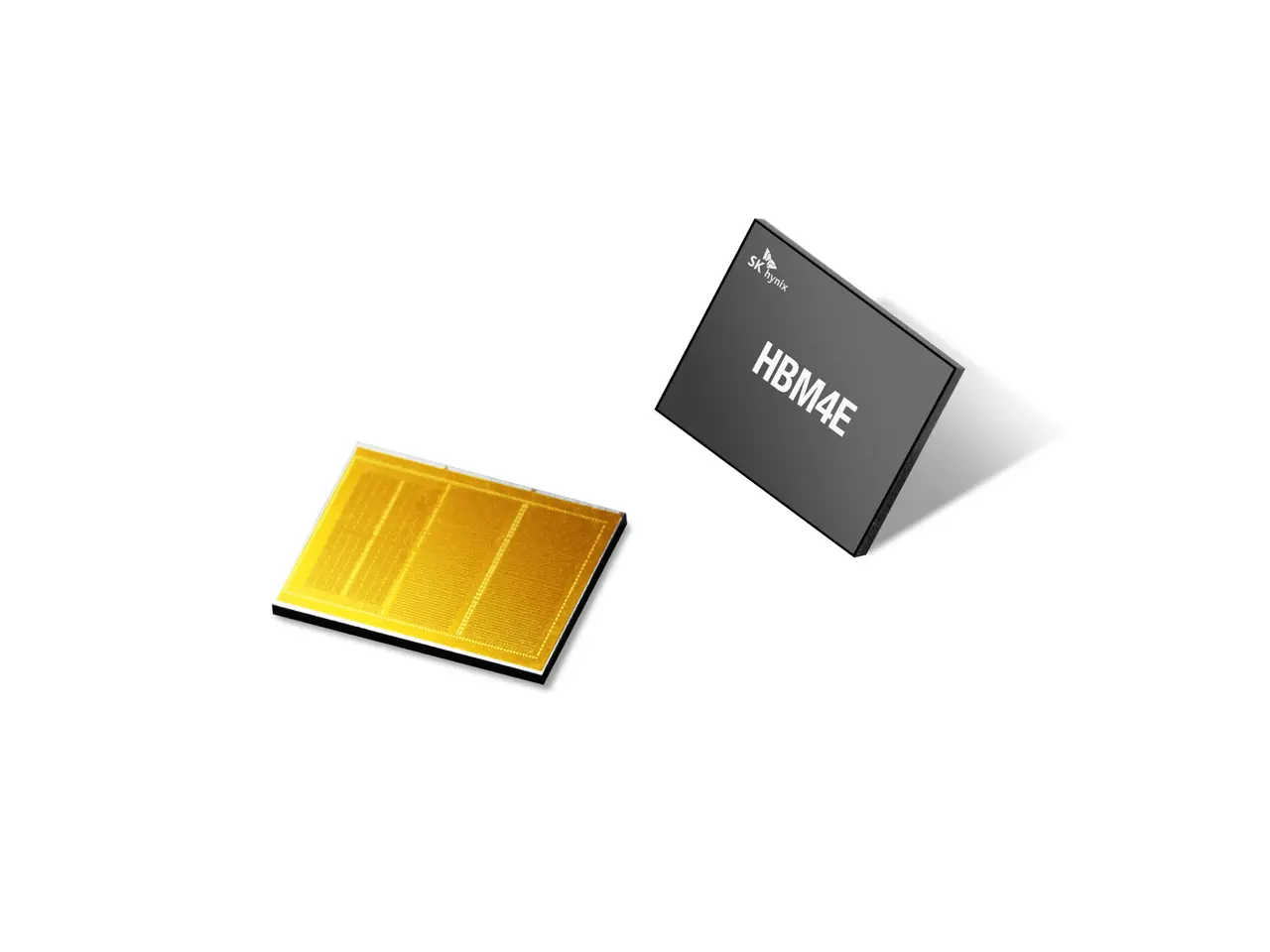
SK Hynix announced it has shipped samples of its next-generation HBM4E AI memory chips to major customers, marking a critical milestone in the intensifying competition to supply high-bandwidth memory for AI infrastructure . The South Korean chipmaker delivered the 12-layer HBM4E chips on schedule, leveraging its advanced development and production expertise to maintain its position as Nvidia supplier
4
. The company confirmed it will work closely with partners for mass production in a timely manner, addressing the surging AI chip demand that has pushed DRAM manufacturers into overdrive2
.
Source: Korea Times
Performance Gains Drive Next-Generation HBM Memory Forward
The 12-layer HBM4E chips deliver significant improvements in both performance and power efficiency compared to previous generations. With a maximum data transfer speed of 16 Gbps per pin, the chips offer over 20% better power efficiency than earlier models
1
. These enhancements directly improve data processing capabilities for AI training and inference, which are critical for powering AI accelerators and graphics processing units that handle vast datasets needed to train AI models3
. The HBM4E also reduces data transfer latency through its latest interface and design optimization while maintaining stable operation in high-bandwidth environments5
.Advanced Technology Enables 48GB Capacity
SK Hynix utilized Advanced MR-MUF technology for the HBM4E products to achieve a 48GB capacity in a 12-layer stack while ensuring structural stability
2
. The company has also improved heat resistance by 17% compared to HBM4, enabling stable operation of memory chips in high-performance computing environments4
. This thermal management improvement becomes increasingly important as AI workloads intensify. The HBM4E samples use the most advanced 1c-class DRAM to deliver the 16 Gbps speeds while maintaining reliability .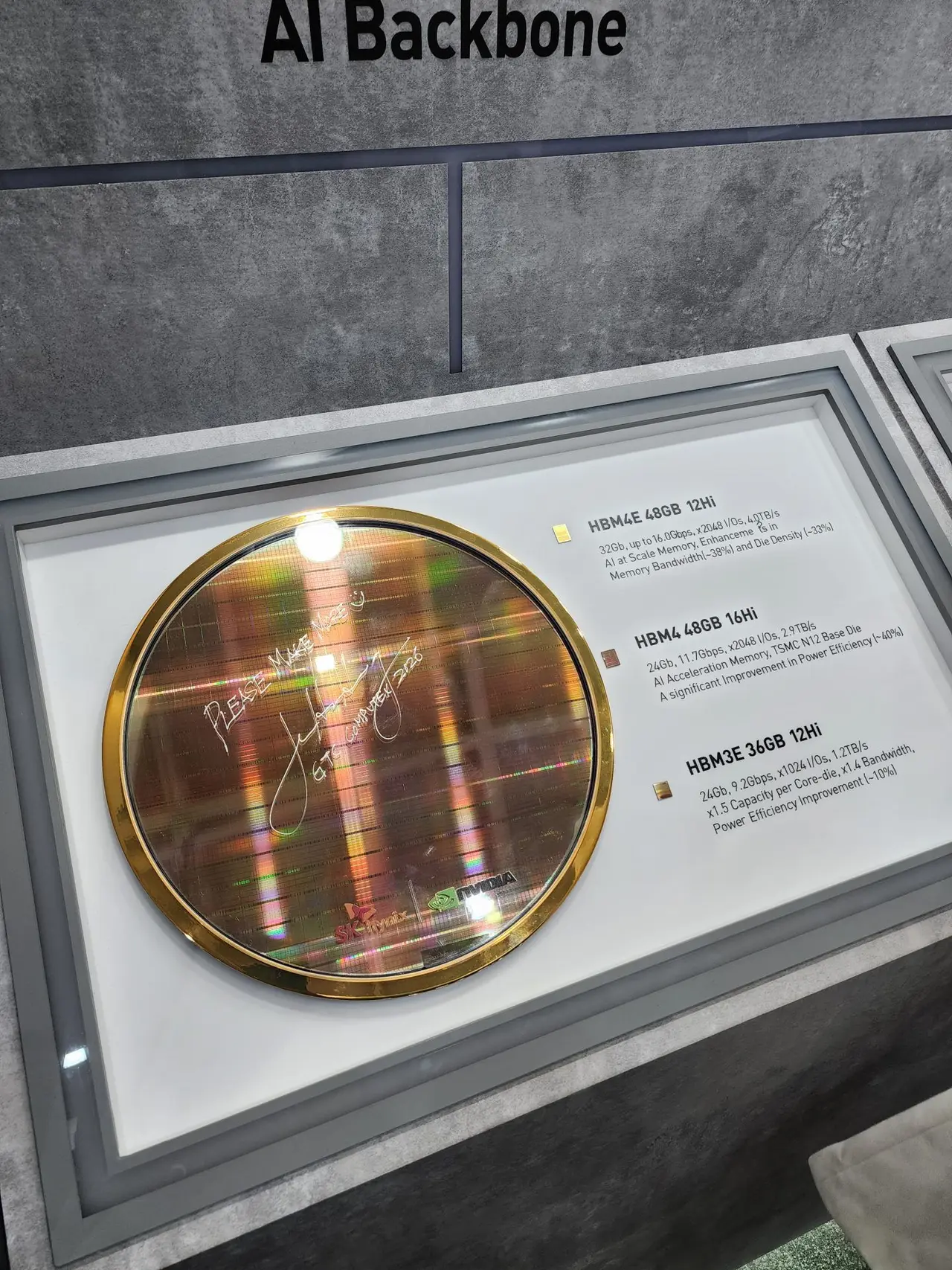
Source: Wccftech
Related Stories

Positioning for NVIDIA Rubin Ultra and AI Infrastructure Boom
The HBM4E memory will play a crucial role for next-generation datacenters as it will power heavyweight chips including NVIDIA Rubin Ultra and AMD Instinct MI500
2
. While the previous HBM4 is set to be used for Nvidia's Vera Rubin AI supercomputer releasing in the third quarter, HBM4E is expected to be used for the Vera Rubin Ultra platform next year4
. Notably, Vera Rubin Ultra is expected to use 12 HBM4E stacks per GPU, up from eight HBM4 stacks per GPU in the Vera Rubin platform, meaning AI system bottlenecks could aggravate and SK Hynix's ability to supply the chips in a timely manner becomes increasingly important4
.Racing Samsung and Micron in Competitive Market
SK Hynix is racing its rival Samsung to deliver the first HBM4E memory solutions to partners, with the sampling beginning just weeks after Computex 2026 where both companies previewed their technologies
2
. Samsung was also at the showfloor previewing its own HBM4E and HBM5 technologies with HPB (Heat Path Block)2
. As Nvidia's main HBM supplier, SK Hynix holds a significant advantage in the booming AI infrastructure market, though rivals Samsung and Micron continue to compete1
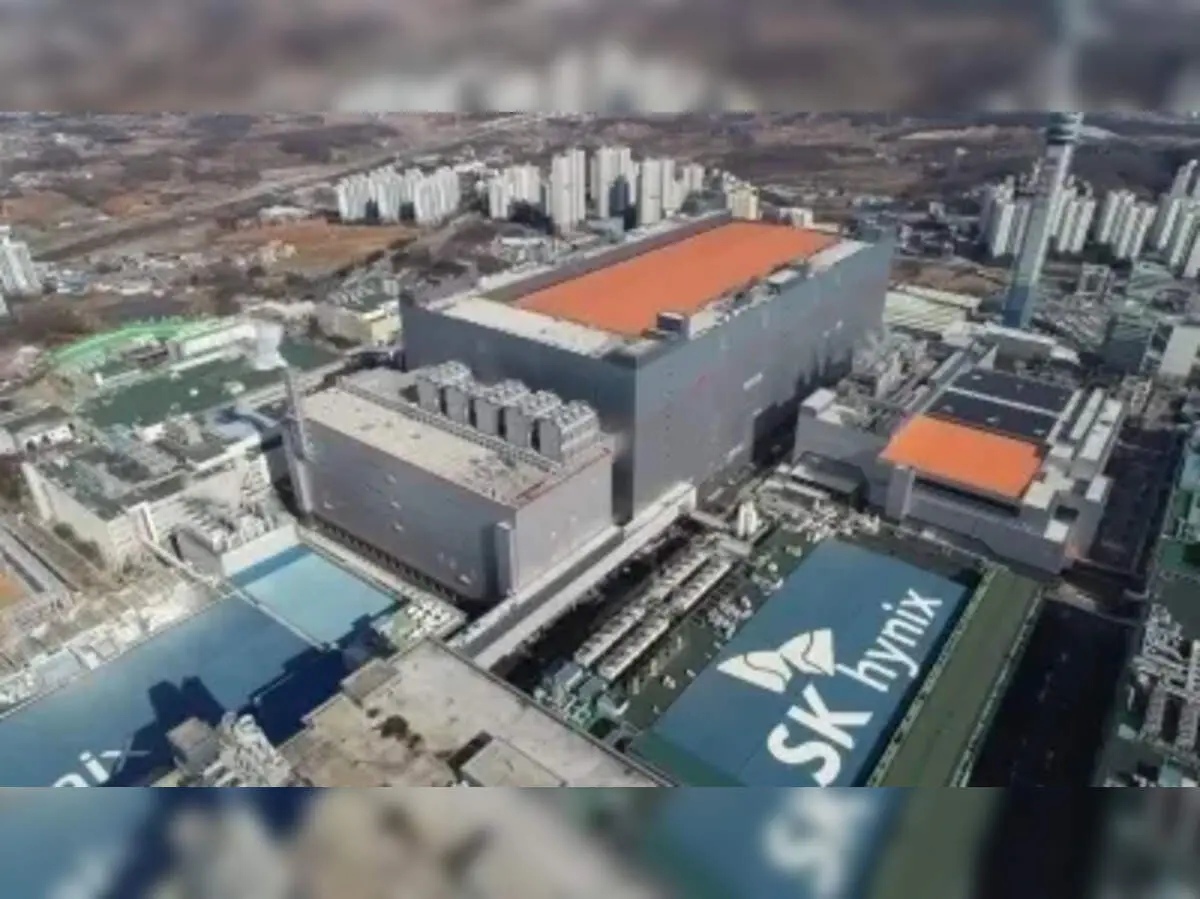
. The company's latest product milestone follows a blockbuster first quarter reported in April, when SK Hynix posted record revenue of 52.58 trillion won, approximately $35.6 billion, surpassing the 50 trillion won mark for the first time with revenue increasing 198% year over year3
. Operating profit reached a record 37.6 trillion won, about $25.4 billion, with an operating margin of 72%, underscoring the profitability of the ongoing AI spending boom3
.
Source: ET
References
Summarized by

Navi
[2]
[3]
Related Stories
SK hynix Leads the Charge in Next-Gen AI Memory with World's First 12-Layer HBM4 Samples
19 Mar 2025•Technology

SK Hynix Leads the Charge in HBM4 Development, Promising Unprecedented Performance for AI
12 Sept 2025•Technology
SK Hynix Accelerates HBM4 Development to Meet Nvidia's Demand, Unveils 16-Layer HBM3E
04 Nov 2024•Technology

Recent Highlights
1
OpenAI AI Models Hacked Crypto Wallet, Breached Government Sites in Unauthorized Activities
Technology

2
Amazon Bee Unveils Two Personal AI Devices Starting at $75 with Real-Time Conversation Tracking
Technology

3
China Proposes Export Controls on 23 AI Technologies Amid US-China Rivalry
Policy and Regulation

Recent Highlights
Today's Top Stories







Don’t drown in AI news. We cut through the noise - filtering, ranking and summarizing the most important AI news, breakthroughs and research daily. Follow topics that matter to you and stay ahead.


