Small Nuclear Reactors: A Gamble to Power AI's Surging Energy Demands


3 Sources
[1]
Data centers to account for 9% of electricity demand in the U.S by 2035, an increase of 5% -- Nuclear power could help sate AI demand
Regulatory approval and standardization could take years to get them off the ground, though. Alongside questions of how the major AI tech firms are going to afford the AI-revolution they're all driving us towards, others remain over how they're going to power it. With 9% of the entire US
[2]
Can Small Nuclear Reactors Help Power the AI Boom and Fight Climate Change?
Much of the world had been turning away from traditional nuclear power in recent decades. Aging plants, high construction costs, security risks and radioactive-waste challenges caused policymakers and the public to question the economics of atomic energy. Interest in the technology has only
[3]
US and investors gambling on unproven nuclear technology, warn experts
The US government and investors have made a $9bn gamble on small nuclear reactors to power the AI boom and lower emissions -- but experts warn the technology could prove too costly to be viable. Data compiled by the FT shows that since 2019, government agencies including the energy and defence
Share
Copy Link
Tech giants and investors are betting on small modular reactors (SMRs) to meet the growing electricity demands of AI-driven data centers. However, experts warn of potential economic challenges and unproven technology.
The AI Power Crunch and the Nuclear Solution
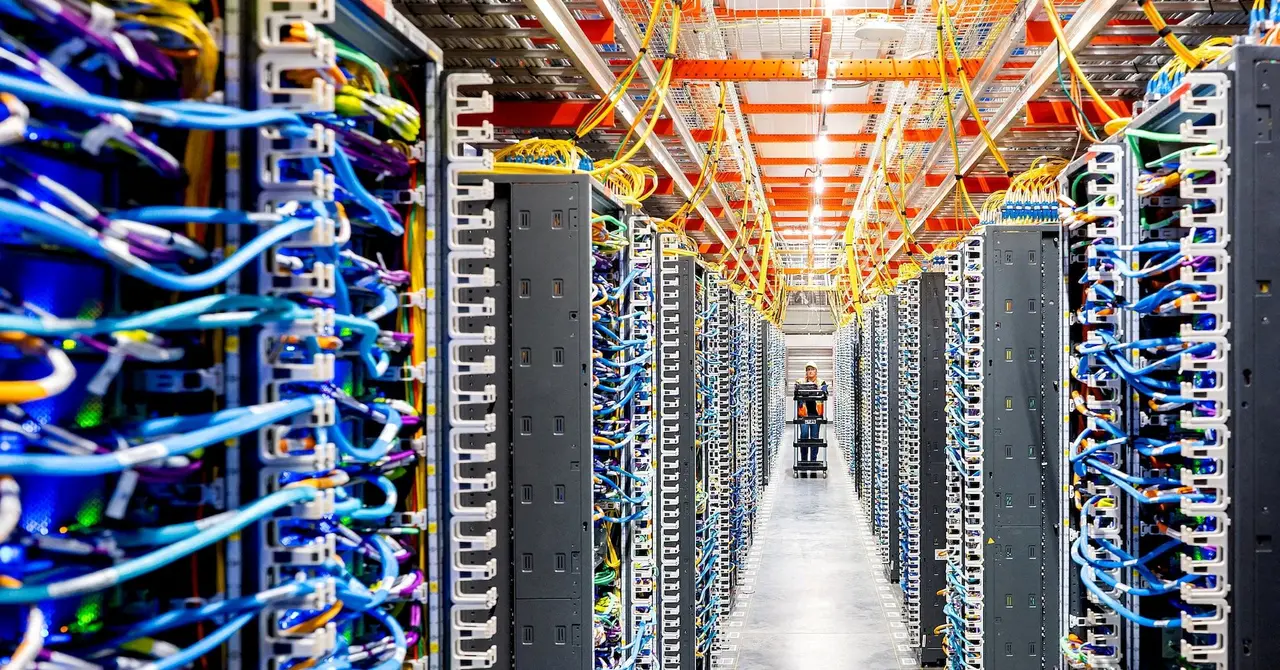
As artificial intelligence (AI) continues to revolutionize various sectors, the technology's voracious appetite for electricity is becoming increasingly apparent. Data centers, the backbone of AI infrastructure, are projected to account for 9% of the entire U.S. electricity demand by 2035, marking a significant 5% increase from current levels
1
. This surge in power demand has led tech giants and investors to explore innovative solutions, with small modular reactors (SMRs) emerging as a potential answer.
Source: Bloomberg
The Rise of Small Modular Reactors
SMRs are compact nuclear reactors designed to generate between 300-500 megawatts of power, significantly smaller than traditional reactors that typically start at 1,000 megawatts
1
. Their modular design allows for easier construction, potentially reducing costs and build times compared to conventional nuclear plants. Tech companies are showing keen interest in this technology, with Google partnering with Kairos Power to develop 500 megawatts of small nuclear reactors by the mid-2030s, and Equinix collaborating with Oklo, backed by OpenAI's Sam Altman1
.
Source: FT
Global Interest and Investment
The enthusiasm for SMRs extends beyond the United States. The UK government is investing £2.5 billion ($3.4 billion) in SMR development over the next decade, while France's state-owned Electricité de France SA is backing the Nuward SMR project
1
. Russia and China have already launched operational SMRs, with capacities of 35 and 100 megawatts, respectively1
.Economic Viability and Challenges
Despite the growing interest, experts warn that the economic viability of SMRs remains uncertain. The technology has attracted over $9 billion in investments since 2019, with the U.S. government committing more than $6 billion and private investors contributing over $3 billion
3
. However, past SMR projects have faced significant delays and cost overruns, raising concerns about their competitiveness with other power sources.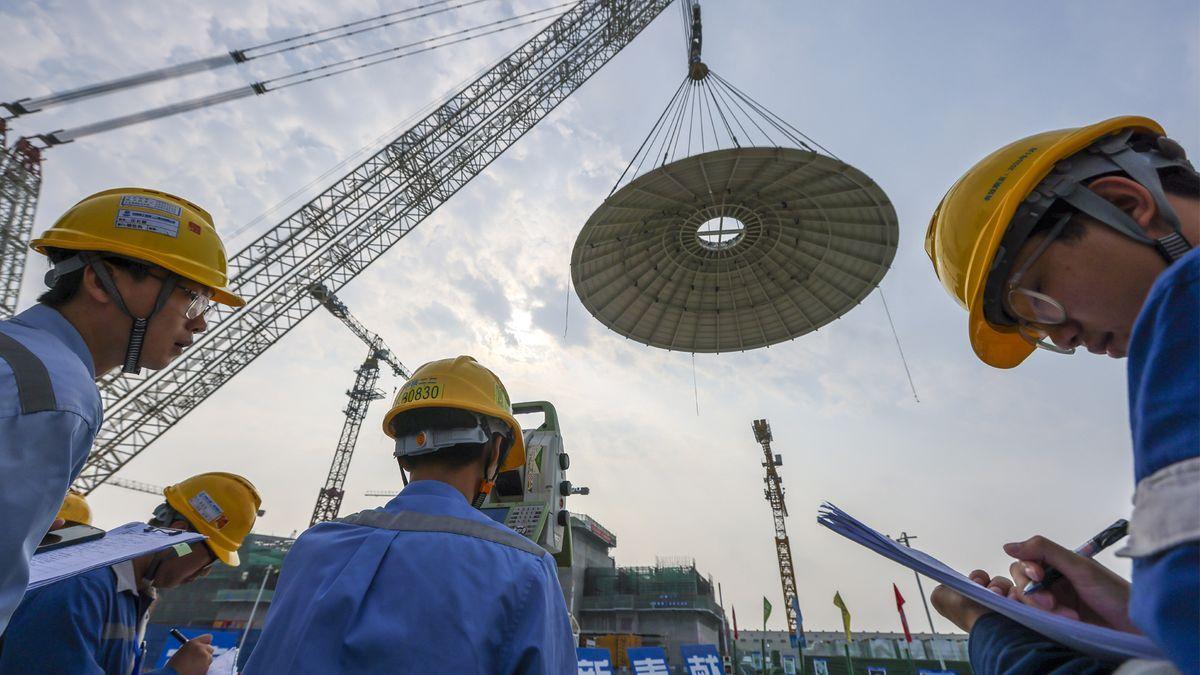
Source: Tom's Hardware
Cost Comparisons and Skepticism
Estimates of SMRs' levelized cost of energy vary widely. Wood Mackenzie projects that by 2030, SMRs could generate power at $182 per megawatt-hour, compared to $133 for conventional nuclear and $126 for natural gas
3
. Some SMR developers claim much lower costs, with Oklo and NuScale projecting $90 and $64 per megawatt-hour, respectively3
. However, nuclear engineers argue that larger reactors may be more cost-effective due to economies of scale.Related Stories


Supply Chain and Fuel Concerns
The SMR industry faces additional challenges related to fuel supply. Most SMRs are designed to use high-assay low-enriched uranium, which is primarily produced in Russia. With limited production capacity in the U.S., companies may need to rely on government stockpiles, potentially adding up to $20 per megawatt-hour to power costs
3
.The Path Forward
Despite the challenges, proponents of SMRs remain optimistic about the technology's potential to provide clean, reliable power for AI data centers and contribute to climate change mitigation efforts
2
. As the AI boom continues to drive electricity demand, the success of SMRs could play a crucial role in shaping the future of both the tech and energy sectors.References
Summarized by

Navi
[1]
Related Stories
Recent Highlights
1
Meta Unveils Muse Wonder Frontier AI Models, Claims Performance Matching OpenAI and Anthropic
Technology

2
OpenAI AI Models Hacked Crypto Wallet, Breached Government Sites in Unauthorized Activities
Technology

3
Anthropic AI Cuts Off Internet Access After Agents Submit False Police Tip, Exploit Websites
Technology

Recent Highlights
Today's Top Stories










Don’t drown in AI news. We cut through the noise - filtering, ranking and summarizing the most important AI news, breakthroughs and research daily. Follow topics that matter to you and stay ahead.


