Stanford AI Tool Predicts Cancer Gene Activity from Biopsy Images, Potentially Revolutionizing Cancer Diagnosis


3 Sources
[1]
AI tool reads biopsy images
To determine the type and severity of a cancer, pathologists typically analyze thin slices of a tumor biopsy under a microscope. But to figure out what genomic changes are driving the tumor's growth - information that can guide how it is treated - scientists must perform genetic sequencing of the
[2]
AI tool predicts cancer gene activity from biopsy images
To determine the type and severity of a cancer, pathologists typically analyze thin slices of a tumor biopsy under a microscope. But to figure out what genomic changes are driving the tumor's growth -- information that can guide how it is treated -- scientists must perform genetic sequencing of the
[3]
AI-powered tool predicts gene activity in cancer cells from biopsy images
Stanford MedicineNov 14 2024 To determine the type and severity of a cancer, pathologists typically analyze thin slices of a tumor biopsy under a microscope. But to figure out what genomic changes are driving the tumor's growth -; information that can guide how it is treated -; scientists must
Share
Copy Link
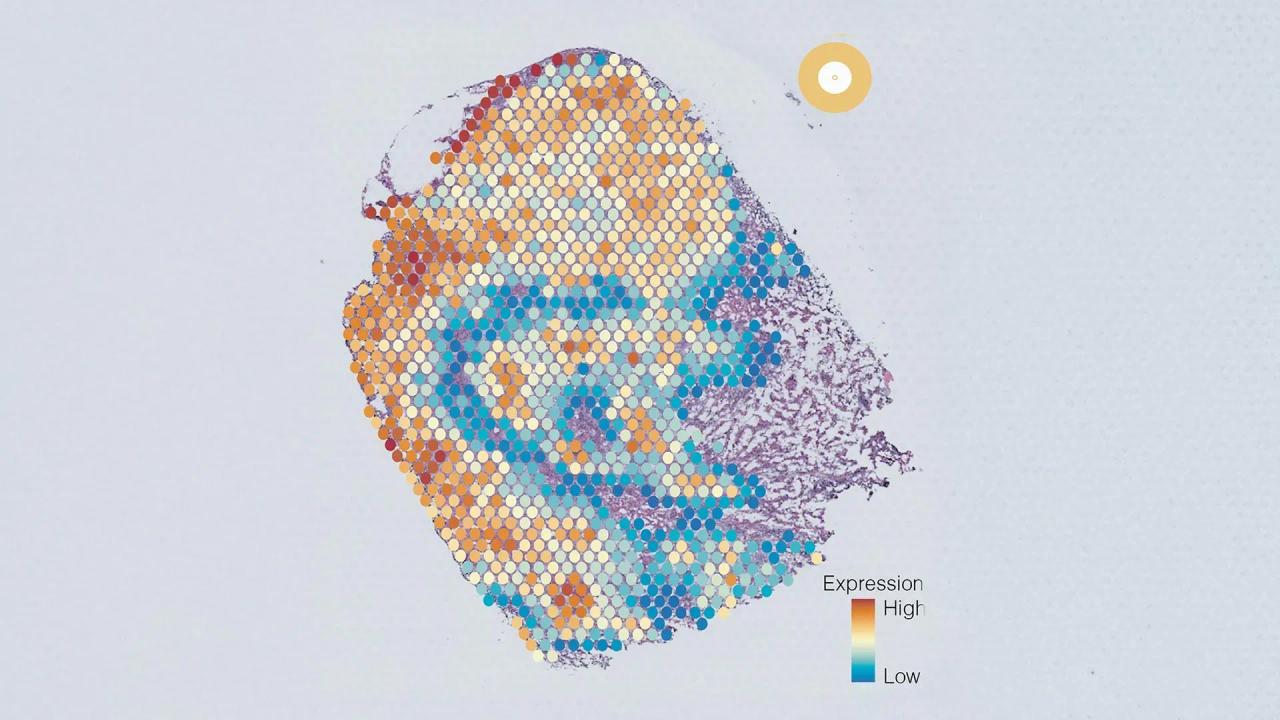
Stanford Medicine researchers have developed an AI-powered tool called SEQUOIA that can predict gene activity in cancer cells using only biopsy images, potentially speeding up diagnosis and treatment decisions while reducing costs.

Stanford Researchers Develop AI Tool to Predict Cancer Gene Activity
Stanford Medicine researchers have developed an innovative artificial intelligence (AI) tool that could revolutionize cancer diagnosis and treatment planning. The computational program, named SEQUOIA (slide-based expression quantification using linearized attention), can predict the activity of thousands of genes within tumor cells based solely on standard microscopy images of biopsy samples
1
.How SEQUOIA Works
SEQUOIA was developed using data from 7,584 cancer biopsies across 16 different cancer types. The AI model analyzes thin sections of tumor biopsies prepared with hematoxylin and eosin staining, a standard method for visualizing cancer cells
2
.By integrating this data with transcriptomic information and images from thousands of healthy cells, SEQUOIA can predict the expression patterns of more than 15,000 different genes from the stained images. For some cancer types, the AI-predicted gene activity showed over 80% correlation with actual gene activity data
3
.Potential Impact on Cancer Diagnosis and Treatment
Traditional methods of determining genomic changes driving tumor growth require genetic sequencing of RNA isolated from the tumor, a process that can take weeks and cost thousands of dollars. SEQUOIA could potentially bypass this need, offering several advantages:
- Speed: The AI tool can quickly identify gene signatures in patients' tumors, accelerating clinical decision-making.
- Cost-effectiveness: By reducing the need for expensive genetic sequencing, SEQUOIA could save the healthcare system significant amounts of money.
- Comprehensive analysis: The tool can predict the activation of large genomic programs, which is often more clinically relevant than individual gene expression.
Related Stories

Promising Results in Breast Cancer
To test SEQUOIA's clinical utility, the researchers focused on breast cancer, a well-studied cancer type with established gene signatures correlated to treatment responses and patient outcomes
1
.The team demonstrated that SEQUOIA could provide genomic risk scores comparable to the FDA-approved MammaPrint test, which analyzes 70 breast-cancer-related genes. Patients identified as high-risk by SEQUOIA showed worse outcomes, including higher rates of cancer recurrence and shorter time before recurrence
2
.Future Prospects and Limitations
While SEQUOIA shows great promise, it is not yet ready for clinical use. The tool needs to undergo clinical trials and receive FDA approval before it can be used to guide treatment decisions. However, the research team, led by Olivier Gevaert, PhD, a professor of biomedical data science at Stanford, is continually improving the algorithm and exploring its potential applications
3
.The development of SEQUOIA represents a significant step forward in the integration of AI and genomics in cancer research and treatment. As the tool continues to evolve, it could potentially be applied to all cancer types, offering a new source of valuable data for oncologists and researchers alike.
References
Summarized by

Navi
[1]
[2]
Related Stories
AI Model Predicts Gene Activity in Human Cells, Transforming Biological Research
09 Jan 2025•Science and Research

AI Tool Uncovers Five Distinct Cancer Cell Groups, Revolutionizing Tumor Characterization and Treatment
25 Jun 2025•Health
ChatGPT Like AI Model Shows Promise in Cancer Treatment Decision-Making
05 Sept 2024

Recent Highlights



Recent Highlights
Today's Top Stories









Don’t drown in AI news. We cut through the noise - filtering, ranking and summarizing the most important AI news, breakthroughs and research daily. Follow topics that matter to you and stay ahead.


