Study Reveals 'Additive Advice Bias' in Mental Health Support, Including AI Chatbots


2 Sources
[1]
Research reveals bias toward additive advice in mental health support
University of BathAug 21 2025 From "try yoga" to "start journaling," most mental health advice piles on extra tasks. Rarely does it tell you to stop doing something harmful. New research from the University of Bath and University of Hong Kong shows that this "additive advice bias" appears
[2]
Why mental health advice often adds to your to-do list
From "try yoga" to "start journaling," most mental health advice piles on extra tasks. Rarely does it tell you to stop doing something harmful. New research from the University of Bath and University of Hong Kong shows that this "additive advice bias" appears everywhere: in conversations between
Share
Copy Link
New research from the University of Bath and University of Hong Kong uncovers a tendency to offer additive rather than subtractive advice for mental health issues, a bias that extends to AI chatbots like ChatGPT.
The 'Additive Advice Bias' in Mental Health Support
A groundbreaking study conducted by researchers from the University of Bath and the University of Hong Kong has uncovered a pervasive bias in mental health advice. The research, published in Communications Psychology, reveals that most mental health recommendations tend to add tasks to people's lives rather than suggesting the removal of harmful activities
1
2
.The Nature of the Bias

Source: News-Medical
The study, comprising eight separate investigations with hundreds of participants, found that this "additive advice bias" is prevalent across various contexts. Whether it's advice shared between individuals, posts on social media platforms, or even recommendations from AI chatbots, the tendency is to suggest additional activities rather than advocating for the cessation of detrimental habits
1
.Key findings from the research include:
- Dominance of Additive Advice: In all scenarios studied, people were far more likely to suggest adding new activities rather than removing harmful ones
2
. - Perceived Ease and Benefit: Participants viewed doing more as both easier and more beneficial compared to eliminating harmful behaviors
1
. - Relationship Dynamics: Interestingly, people perceived it easier for close friends to cut out harmful activities than for themselves
2
. - AI Replication of Human Bias: ChatGPT, when tested, predominantly offered additive advice, mirroring the patterns observed in human interactions and social media
1
2
.
Implications for Mental Health Support

Source: Medical Xpress
Dr. Tom Barry, the senior author from the University of Bath, emphasized the potential drawbacks of this bias. He stated, "In theory, good advice should balance doing more with doing less. But we found a consistent tilt towards piling more onto people's plates and even AI has learned to do it. While well-meaning, it can unintentionally make mental health feel like an endless list of chores"
1
.The Role of AI in Mental Health Advice
As AI chatbots increasingly become a primary source of mental health guidance, there's a risk of amplifying this bias. Dr. Nadia Adelina, co-author from the University of Hong Kong, suggested a potential solution: "Building in prompts to explore what people might remove from their lives could make advice more balanced and less overwhelming"
2
.Related Stories

Methodology and Scope
The research utilized a diverse approach, analyzing experimental data, real-world advice from Reddit, and responses from ChatGPT. Participants were asked to provide advice in various scenarios, including harmful habits like gambling and beneficial activities such as exercise
1
2
.Future Directions
This study opens up new avenues for improving mental health support. By recognizing and addressing the additive advice bias, both human advisors and AI systems could potentially offer more balanced and effective guidance. As mental health issues continue to rise globally and services face increasing strain, understanding these biases becomes crucial in enhancing the quality of support available through various channels
1
2
.References
Summarized by

Navi
[2]
Related Stories
Millions Turn to AI Chatbots for Mental Health Support as Studies Reveal Alarming Risks
04 Mar 2026•Health

AI in Mental Health: Experts Map Automation Levels as Therapists Navigate New Technology
07 Apr 2026•Health
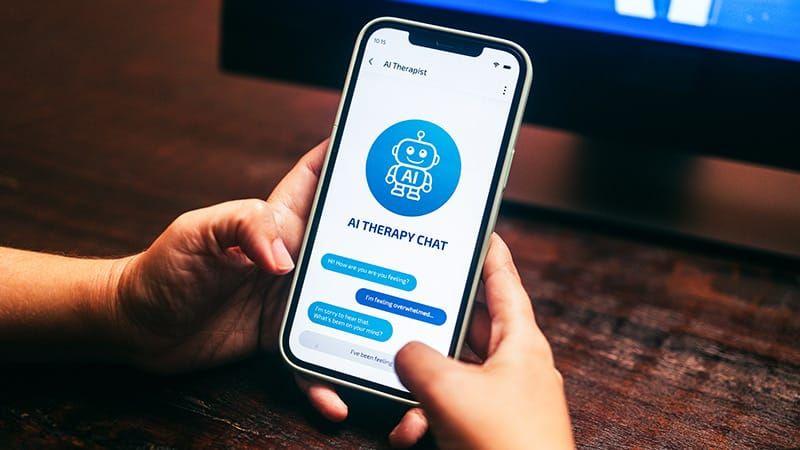
AI therapy is rising but can't replace mental health therapists—here's where it helps instead
09 Jul 2026•Health

Recent Highlights



Recent Highlights
Today's Top Stories



Don’t drown in AI news. We cut through the noise - filtering, ranking and summarizing the most important AI news, breakthroughs and research daily. Follow topics that matter to you and stay ahead.


