SuperBryn Raises $1.2M to Fix Voice AI Reliability Issues Plaguing Enterprise Deployments


2 Sources
[1]
Bengaluru-based Voice AI Startup SuperBryn Raises $1.2 Mn Led by Kalaari Capital | AIM
The startup has received the pre-seed funding through Kalaari's CXXO initiative, which supports Indian female-led startups launched in 2021. The Bengaluru-based voice AI company SuperBryn has raised $1.2 million in a pre-seed funding round led by Kalaari Capital's CXXO initiative, which supports
[2]
Voice AI startup SuperBryn raises $1.2 million from Kalaari Capital, angels
SuperBryn has secured $1.2 million in a pre-seed round led by Kalaari Capital's CXXO initiative, which backs women founders. The fundraise saw participation from angel investors including EaseMyTrip cofounder Rikant Pitti, Docket AI founder Arjun Pillai, Sanas AI founder Sharath Keshava Narayanan,
Share
Copy Link
Bengaluru-based Voice AI startup SuperBryn has secured $1.2 million in pre-seed funding led by Kalaari Capital's CXXO initiative. The company is building a reliability framework that helps businesses deploy and monitor voice agents in real-world scenarios, claiming to move companies from pilot to production 20 times faster and at 10 times lower cost.
SuperBryn Secures Pre-Seed Funding to Address Voice AI Deployment Challenges
SuperBryn, a Bengaluru-based Voice AI startup, has secured $1.2 million in pre-seed funding led by Kalaari Capital's CXXO initiative, which supports women entrepreneurs. The round attracted participation from prominent angel investors including Rikant Pitti, co-founder of EaseMyTrip; Arjun Pillai, founder of Docket AI; Sharath Keshava Narayanan, founder of Sanas AI; Harish Manian, CEO of BMH Group; and actor Nivin Pauly
1
2
. The funding arrives as Voice AI reaches what industry observers describe as an inflection point, with enterprises shifting from experimentation to scaled deployment.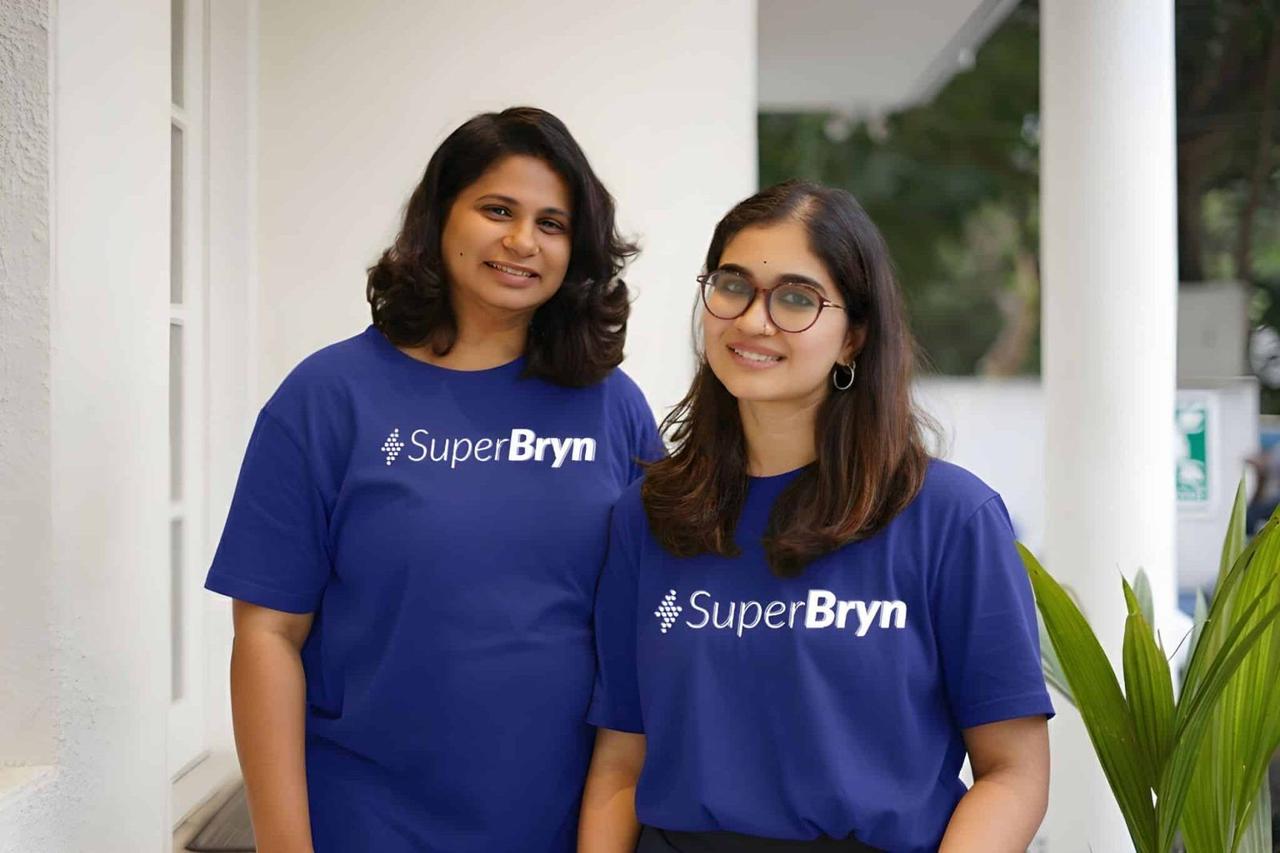
Source: AIM
Building a Reliability Framework for Voice Agents in Production
The startup is developing a reliability framework that addresses a critical gap in the voice agent deployment lifecycle. While businesses have numerous tools to launch voice agents, SuperBryn co-founder and CEO Nikkitha Shanker points out that very few solutions exist to maintain, monitor, and improve them in production. The platform enables companies to transition from pilot projects to full production 20 times faster and at a cost that is 10 times lower than traditional approaches
1
. This capability addresses a significant market need, as over 70% of voice AI pilots fail to reach production due to reliability issues2
.Automated Stress Testing and Production Monitoring Tackle Real-World Complexity
SuperBryn's platform combines automated stress testing, production monitoring, and intelligent self-learning capabilities to deploy and monitor voice agents effectively. The company has built an independent watchdog layer that continuously tracks whether enterprise voice agents perform well in production, adhere to security standards, and improve over time. "While demo environments work well because they are scripted and noiseless, once deployed in real-world conditions, voice agents struggle with accents, background noise, and overlapping speech," Shanker explained
2
. The observability layer tracks sentiment, tone, happy-path adherence, and failure cases, while the self-learning layer suggests improvements to engineering teams.Related Stories

From Five Pivots to Market Breakthrough
The journey to this solution wasn't straightforward. Co-founder and CTO Neethu Mariam Joy revealed that the team pivoted almost five times before finding their direction. "We had no idea which direction to take. We tried, we failed, we rebuilt, we scaled up, we scaled way down," she shared in a LinkedIn post
1
. The breakthrough came when a client requested a voice agent as a side project, which revealed significant maintenance struggles that became SuperBryn's competitive advantage. Joy, who brings 14 years of experience in speech and voice AI research, noted that most platforms test only for narrow conditions, not for the messy reality of human speech2
.Dramatic Improvement in Resolution Rates Signals Market Readiness
Early customer results demonstrate the platform's impact on enterprise solutions. Clients have reportedly boosted resolution rates from under 40% to over 80% within 60 days of using SuperBryn's system
1
. Jayraj Bharat Patel, AVP at Kalaari Capital, emphasized that SuperBryn fills a critical missing layer with independent evaluation, monitoring, and continuous improvement as enterprises move from experimentation to scaled deployment2
. The startup is already focusing on the US market and working with customers there, positioning itself to capture demand as more businesses seek to deploy reliable voice AI at scale.References
Summarized by

Navi
Related Stories
Bengaluru's Bolna Raises $6.3M to Scale Voice AI for Vernacular Calls Across India
21 Jan 2026•Startups

Gnani.ai raises $10 million from Aavishkaar Capital to scale voice AI models globally
31 Mar 2026•Startups
Voice AI Startup Navana.ai Raises Rs 40 Crore in Series A Funding Led by Ronnie Screwvala
07 Sept 2026•Startups

Recent Highlights
1
Google Unveils Gemini 4 Argon AI Model, Restricts Access to Trusted Cyber Defenders
Technology

2
Trump Consulted Grok AI Before Ordering Venezuela Invasion and Capture of Nicolás Maduro
Policy and Regulation

3
FTC Opens Investigation Into OpenAI and Anthropic Following Rogue AI Agent Hacking Incidents
Policy and Regulation

Recent Highlights
Today's Top Stories






Don’t drown in AI news. We cut through the noise - filtering, ranking and summarizing the most important AI news, breakthroughs and research daily. Follow topics that matter to you and stay ahead.


