TSMC Reports Strong AI Demand Amid Tariff Concerns and Quashes Middle East Expansion Rumors


8 Sources
[1]
TSMC quashes UAE fab rumors, but says AI demand remains fierce in the face of tariff pressures
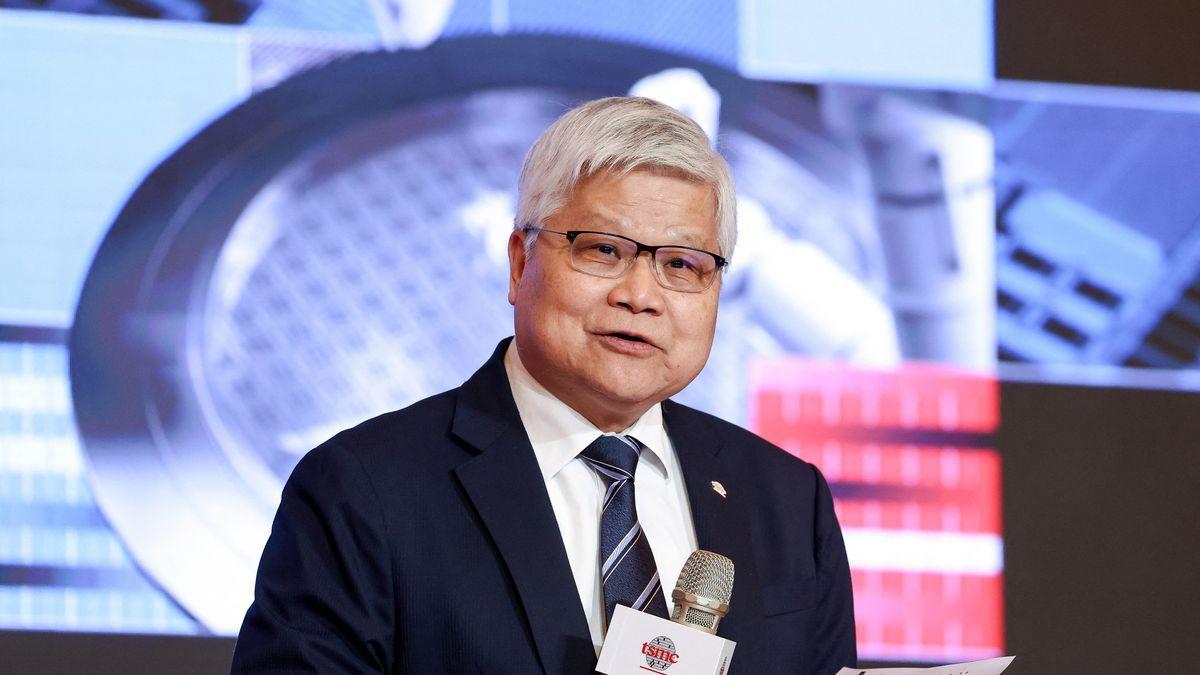
Just days after TSMC was reported to be in talks with Washington over a planned fab expansion in the Middle East, company CEO C.C. Wei has quashed those rumors at the company's annual shareholders meeting. As noted by Reuters' Wen-Yee Lee on X, Wei said the company had no plans to set up fabs in
[2]
TSMC says tariffs have some impact but AI demand robust
HSINCHU, Taiwan, June 3 (Reuters) - U.S. tariffs are having some impact but demand for artificial intelligence (AI) remains strong and continues to outpace supply, the chief executive of Taiwanese chipmaker TSMC (2330.TW), opens new tab said on Tuesday. U.S. President Donald Trump's trade policies
[3]
TSMC forecasts record profit in 2025 on soaring AI demand
Taiwanese chip titan TSMC said Tuesday that it expected to see record earnings this year as it increased semiconductor production capacity to meet soaring demand for AI technology. Taiwan Semiconductor Manufacturing Company is the world's largest contract chipmaker and counts Nvidia and Apple
[4]
TSMC Says US Tariffs Have Some Impact But AI Demand Robust
Taiwan's TSMC said on Tuesday that US tariffs were having some impact on the company and had been discussed with Washington, but demand for artificial intelligence (AI) remains strong and continues to outpace supply. US President Donald Trump's trade policies have created much uncertainty for the
[5]

Tariffs have some impact, but AI demand still outpaces supply: TSMC CEO
US tariffs are having some impact but demand for artificial intelligence (AI) remains strong and continues to outpace supply, the chief executive of Taiwanese chipmaker TSMC said on Tuesday. US President Donald Trump's trade policies have created much uncertainty for the global chip industry and
[6]

TSMC CEO Admits Trump Tariffs Have 'Some Impact' On Chipmaker But Demand 'Consistently Outpacing' Supply Thanks To AI - Samsung Electronics Co (OTC:SSNLF), Taiwan Semiconductor (NYSE:TSM)
On Tuesday, Taiwan Semiconductor Manufacturing Co. TSM CEO CC Wei said that while U.S. tariffs are creating some headwinds, robust demand for AI chips continues to exceed the company's supply capabilities. What Happened: Speaking at TSMC's annual shareholder meeting in Hsinchu, Taiwan, Wei
[7]
TSMC CEO Tells Trump $100 Billion US Chip Expansion Will 'Take Time' Amid Tariff Pressures, Surging AI Demand - Taiwan Semiconductor (NYSE:TSM)
Taiwan Semiconductor Manufacturing Company Limited TSM CEO C.C. Wei revealed during Tuesday's shareholder meeting that he informed President Donald Trump that establishing a proposed $100 billion U.S. manufacturing venture will "take time," beyond the anticipated timeline. What Happened: Wei
[8]

TSMC Sees Limited Tariff Impact on AI Strength
By Yang Jie in Tokyo and Joyu Wang in Hsinchu, Taiwan Taiwan Semiconductor Manufacturing Co. faces limited impact from tariffs, its chief executive said, reaffirming that artificial-intelligence demand remains strong, and guided for record earnings. At an annual shareholders' meeting on Tuesday,
Share
Copy Link
TSMC CEO C.C. Wei addresses the impact of US tariffs on the semiconductor industry, highlighting robust AI demand that continues to outpace supply. The company also denies rumors of expanding operations to the Middle East.
TSMC Addresses Tariff Impact and AI Demand
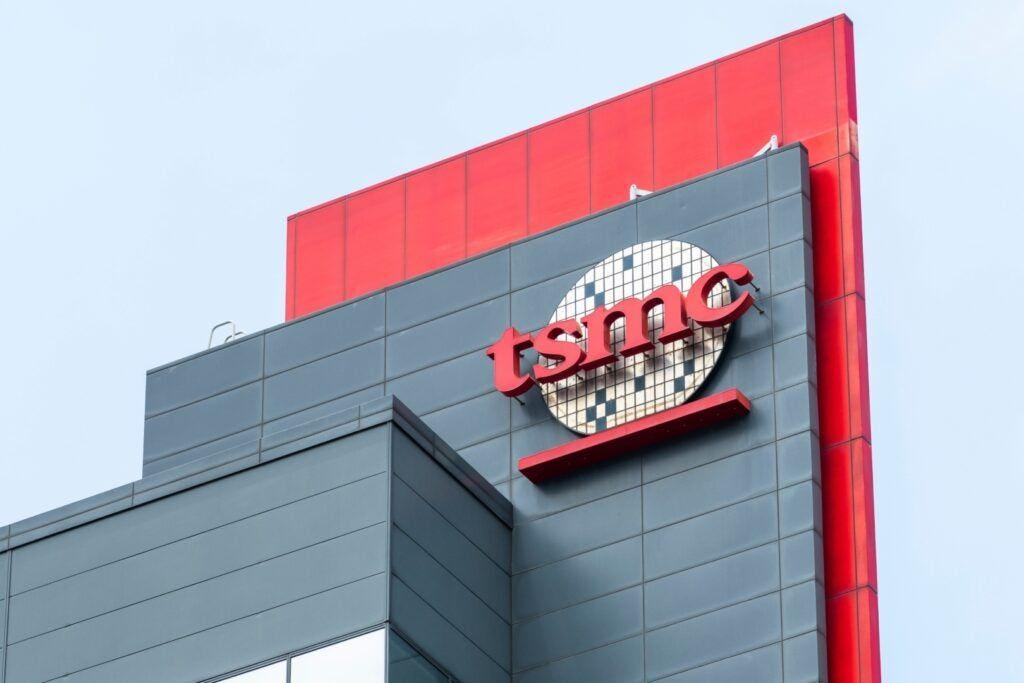
Taiwan Semiconductor Manufacturing Company (TSMC), the world's largest contract chipmaker, has addressed concerns about the impact of US tariffs on its business while highlighting the robust demand for artificial intelligence (AI) applications. TSMC CEO C.C. Wei, speaking at the company's annual shareholders meeting, provided insights into the company's current position and future outlook
1
2
.
Source: Benzinga
Tariff Impact and AI Demand
Wei acknowledged that US tariffs have "some impact" on TSMC, albeit indirectly. He explained, "Tariffs do have some impact on TSMC, but not directly. That's because tariffs are imposed on importers, not exporters. TSMC is an exporter. However, tariffs can lead to slightly higher prices, and when prices go up, demand may go down"
2
4
.Despite these concerns, Wei emphasized that AI demand remains exceptionally strong. "If demand drops, TSMC's business could be affected. But I can assure you that AI demand has always been very strong and it's consistently outpacing supply," he stated
2
5
. This robust AI demand is expected to offset any potential negative effects from tariffs.Record Profit Forecast for 2025
TSMC is optimistic about its financial performance in the coming year. Wei announced, "Our revenue and profit this year will set new historical highs"
3
. This positive outlook is primarily driven by the soaring demand for AI technology, which has prompted TSMC to increase its semiconductor production capacity to meet customer needs.
Source: ET
Middle East Expansion Rumors Quashed
Addressing recent speculation, Wei categorically denied reports that TSMC was planning to build factories in the Middle East. He stated, "I think rumors are really flying everywhere"
3
. Wei further clarified that TSMC has no plans for any such plants in the Middle East because it was "not very likely" they would have customers there4
5
.Global Expansion and Investments
While ruling out Middle East expansion, TSMC has been actively investing in other regions. The company has broken ground for plants in the United States, Europe, and Japan in recent years
3
. Notably, TSMC is investing $165 billion to build new factories in the United States4
.Related Stories

Ongoing Discussions with US Commerce Department
Wei revealed that TSMC has been in communication with the US Department of Commerce regarding tariffs. The company has expressed concerns about potential increases in production costs for its US investments, as some equipment purchased from US suppliers is manufactured in Asia
4
.
Source: Tom's Hardware
Currency Pressure and Political Risk
Domestically, TSMC faces pressure from the recent appreciation of the Taiwan dollar, which Wei said had reduced its gross margin by more than three percentage points
4
. The company also acknowledges broader political risks related to China's stance on Taiwan, though Wei emphasized that such matters are primarily for governments to address4
.As TSMC navigates these complex global dynamics, its focus on meeting the surging demand for AI applications appears to be a key driver of its continued success and optimistic outlook for the future.
References
Summarized by

Navi
[1]
[3]
[4]
Related Stories
TSMC Reports Strong Q1 Earnings Amid AI Boom and Trump Trade Policy Challenges
11 Apr 2025•Business and Economy
TSMC Announces $100 Billion Investment in US Chip Manufacturing, Focusing on AI Chips
04 Mar 2025•Technology

TSMC's Q2 Profit Soars to Record High Amid AI Chip Demand Surge
10 Jul 2025•Business and Economy
Recent Highlights
1
Microsoft and Nvidia Launch Surface Laptop Ultra: A $2,599 AI-Ready PC With RTX Spark Chip
Technology

2
Google Unveils Gemini 4 Argon AI Model, Restricts Access to Trusted Cyber Defenders
Technology

3
Trump Consulted Grok AI Before Ordering Venezuela Invasion and Capture of Nicolás Maduro
Policy and Regulation

Recent Highlights
Today's Top Stories






Don’t drown in AI news. We cut through the noise - filtering, ranking and summarizing the most important AI news, breakthroughs and research daily. Follow topics that matter to you and stay ahead.


