Talks open on whether to write binding rules for killer robots, with the US and Russia against


4 Sources
[1]
US and Russia to oppose talks on limiting autonomous weapons
GENEVA, Nov 16 (Reuters) - Major arms producers the United States and Russia look set to oppose a push at a global meeting in Geneva this week to launch negotiations on legally binding rules for autonomous weapons, in what diplomats and rights groups expect to be difficult talks. The rise of
[2]
US and Russia to Oppose Talks on Limiting Autonomous Weapons
GENEVA, Nov 16 (Reuters) - Major arms producers the United States and Russia look set to oppose a push at a global meeting in Geneva this week to launch negotiations on legally binding rules for autonomous weapons, in what diplomats and rights groups expect to be difficult talks. The rise of
[3]
US and Russia to oppose talks on limiting autonomous weapons
A UN-hosted meeting in Geneva is set to face resistance from the US, Russia and Israel over proposals to negotiate legally binding rules governing lethal autonomous weapons. While most countries support regulation, major military powers argue existing international humanitarian law is sufficient,
[4]
US and Russia to oppose talks on limiting autonomous weapons
GENEVA, Nov 16 (Reuters) - Major arms producers the United States and Russia look set to oppose a push at a global meeting in Geneva this week to launch negotiations on legally binding rules for autonomous weapons, in what diplomats and rights groups expect to be difficult talks. The rise of
Share
Copy Link
A United Nations conference in Geneva opens this week to decide whether binding negotiations on lethal autonomous weapons begin. Most states support the idea; the US, Russia and Israel oppose it.
A United Nations conference opening in Geneva on Monday will decide whether countries start negotiating the first binding international rules for weapons that can kill without a human pulling the trigger
1
. The meeting, a review conference of the Convention on Certain Conventional Weapons, is due to decide whether to launch talks on a legally binding agreement covering what diplomats call lethal autonomous weapons systems2
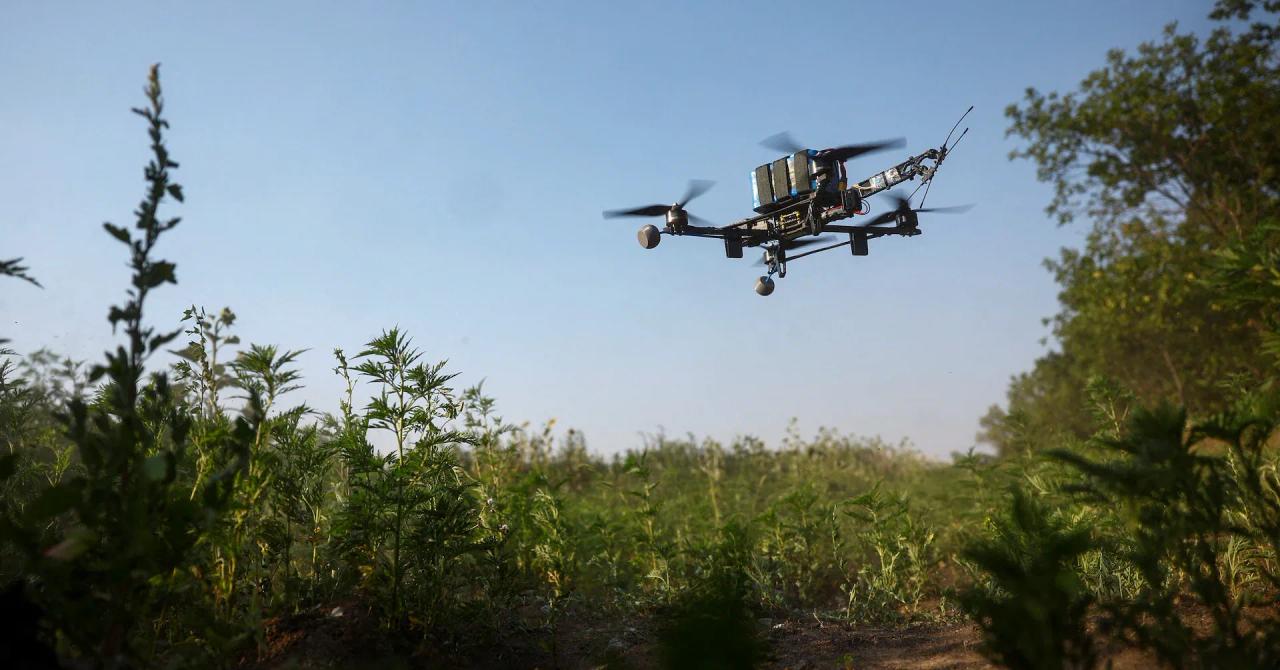
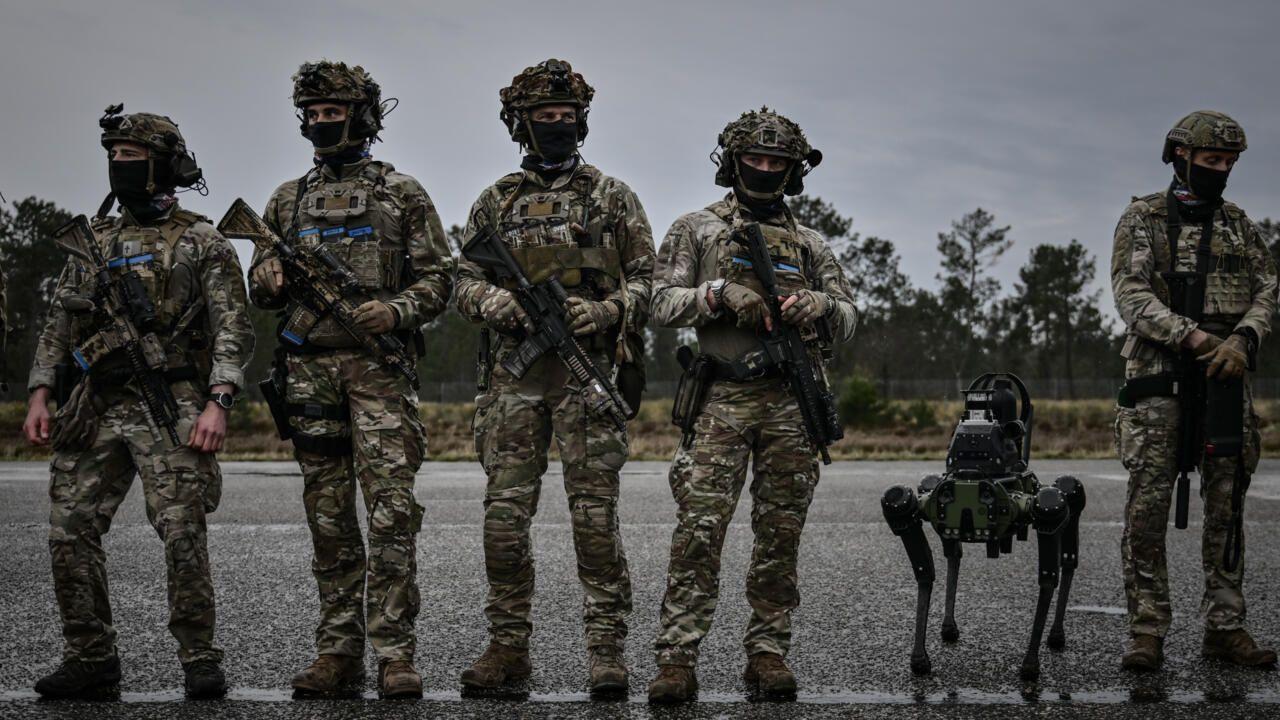
.The stakes are no longer hypothetical. Advances in AI have powered drones, tanks, robots and submarines that could kill with no human in the loop
3
. Weapons with partial autonomy, assisted by AI, have already seen combat in Ukraine, Sudan and the Middle East1
. Anna Hehir of the Future of Life Institute points to media reports suggesting fully autonomous systems have seen early combat use in Ukraine1
.
Source: Reuters
The camps
Most of the 128 states that have joined the convention support launching those negotiations
1
. Against them stand the United States, Russia and Israel, who argue existing international humanitarian law already covers these weapons4
. Diplomats and rights groups expect opposition from major military powers to make any binding agreement hard to reach1
.The camps are also split over what any talks should produce. The conference chair has put forward a two-year mandate for negotiating a legally binding protocol
1
. The US has proposed the opposite: five years of talks towards a non-binding agreement2
. The UK, Germany and France sit between the two, proposing talks on an accord that leaves the binding question open, according to Human Rights Watch's Verity Coyle1
.Russia has yet to say publicly where it stands
1
. It has resisted binding proposals before, and one senior Western diplomat says it intends to keep the EU, at the talks as an observer, from taking the floor3
.The argument for rules
Campaigners including Human Rights Watch say such systems can act in unpredictable ways, with deadly mistakes a real risk
1
. The Red Cross counters that humanitarian law does not adequately address the specific risks these weapons carry1
. The United Nations leadership, the Red Cross's leadership and the Pope have all publicly warned of the dangers, though none of them holds a negotiating vote1
.Related Stories



The week ahead
Two diplomats told Reuters the talks look set to be difficult, though a compromise by the end of the week is possible
1
. Everything from a binding agreement to a non-binding one to some hybrid remains on the table1
. What the week will not settle, on the evidence going in, is the core dispute. Do machines that choose their own targets need new law, or is the old law enough? "Machines should never be allowed to decide who lives and dies on a battlefield but that is the dystopian reality that is fast approaching," said Verity Coyle of Human Rights Watch1
.
Source: ET
References
Summarized by

Navi
[4]
Related Stories
Recent Highlights


Recent Highlights
Today's Top Stories








Don’t drown in AI news. We cut through the noise - filtering, ranking and summarizing the most important AI news, breakthroughs and research daily. Follow topics that matter to you and stay ahead.


