Tech Firms Battle Deepfake Deluge: The Rise of AI-Powered Scams and Detection Tools


3 Sources
[1]
Tech firms fight to stem deepfake deluge
Tech firms are fighting the scourge of deepfakes, those deceptively realistic voices or videos used by scammers that are more available than ever thanks to artificial intelligence. Ever-improving generative artificial intelligence (GenAI) tools have become weapons in the hands of bad actors intent
[2]
Tech firms fight to stem deepfake deluge
Las Vegas (AFP) - Tech firms are fighting the scourge of deepfakes, those deceptively realistic voices or videos used by scammers that are more available than ever thanks to artificial intelligence. Ever-improving generative artificial intelligence (GenAI) tools have become weapons in the hands of
[3]
Tech firms fight to stem deepfake deluge
Used on social networks to hijack the notoriety of celebrities or other high-profile figures, sometimes for disinformation, deepfakes are also being exploited by criminal gangs. Hong Kong police earlier this year revealed that a multinational firm employee was tricked into wiring HK$200 million
Share
Copy Link
As deepfake technology becomes more sophisticated, tech companies are developing advanced detection tools to combat the growing threat of AI-generated scams and disinformation.

The Deepfake Threat Escalates
In an era of rapidly advancing artificial intelligence, deepfakes have emerged as a significant cybersecurity concern. These deceptively realistic AI-generated voices and videos are increasingly being weaponized by scammers and criminal organizations, posing threats to individuals and businesses alike
1
2
3
.The scale of the problem is alarming. A recent study by identification start-up iBoom revealed that only 0.1% of Americans and Britons could accurately identify deepfake images or videos
1
. This widespread inability to detect synthetic media underscores the urgency of developing effective countermeasures.The Evolution of Voice Cloning Technology
The landscape of voice synthesis has changed dramatically in recent years. Vijay Balasubramaniyan, CEO of Pindrop Security, notes that a decade ago, there was only one AI tool for generating synthetic voices. Today, hundreds exist
1
. The efficiency of these tools has also improved significantly:"Before, it took 20 hours (of voice recording) to recreate your voice," Balasubramaniyan told AFP. "Now, it's five seconds."
2
This rapid advancement has made it easier for scammers to create convincing voice clones, leading to an increase in deepfake phone scams targeting vulnerable individuals.
Real-World Impacts and High-Stakes Fraud
The consequences of deepfake scams can be severe. In a striking example, Hong Kong police reported that an employee of a multinational firm was tricked into transferring HK$200 million (approximately US$26 million) to fraudsters who used AI avatars to impersonate the victim's colleagues in a video conference
1
2
3
.On a more personal level, Debby Bodkin shared an anecdote about her 93-year-old mother receiving a call from a cloned voice claiming to be a relative in an accident. While this particular attempt was thwarted, Bodkin noted that such scam calls targeting her grandmother occur "daily"
1
2
.Tech Industry's Response: Detection and Authentication Tools
In response to the growing deepfake threat, tech firms are developing sophisticated detection and authentication tools:
-
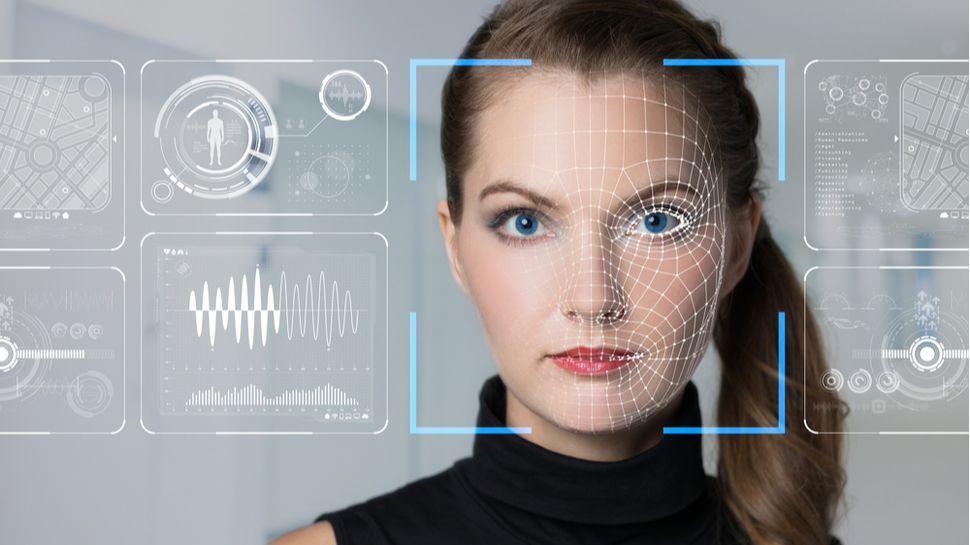
Intel's "FakeCatcher" detects color changes in facial blood vessels to distinguish between genuine and synthetic imagery
1
2
. -
Pindrop Security's technology analyzes audio second-by-second, comparing it to characteristics of human voices
1
2
. -
Attestiv platform specializes in authenticating digital creations, adapting to the increasing sophistication of deepfakes
1
2
.
Related Stories


The Future of Deepfake Detection
Experts predict that deepfake detection software will become standard across industries. Balasubramaniyan believes that companies capable of distinguishing between human and machine-generated content could thrive in a market potentially worth billions
1
2
.Consumer-oriented solutions are also emerging. China-based Honor has introduced a Magic7 smartphone with a built-in AI-powered deepfake detector
1
2
3
. Meanwhile, British start-up Surf Security has launched a web browser capable of flagging synthetic voice or video, primarily targeting businesses1
2
3
.A Global Cybersecurity Challenge
The proliferation of deepfakes presents a global cybersecurity threat, with potential impacts on corporate reputations and security. The shift to remote work has further increased vulnerabilities, providing more opportunities for bad actors to impersonate their way into companies
1
2
.Siwei Lyu, a professor of computer science at the State University of New York at Buffalo, draws a parallel between deepfakes and spam, suggesting that detection algorithms may eventually become as commonplace as email spam filters
1
2
3
. However, he acknowledges that "We're not there yet"3
, indicating that the battle against deepfakes is far from over.References
Summarized by

Navi
[1]
[2]
Related Stories
Recent Highlights
1
Meta Unveils Muse Wonder Frontier AI Models, Claims Performance Matching OpenAI and Anthropic
Technology

2
IMF Report Warns AI Market Correction Could Spark Global Financial Crisis With $1.4T at Risk
Business and Economy

3
OpenAI Releases 722 AI-Generated Math Solutions, Triggering Existential Crisis in Mathematics
Technology

Recent Highlights
Today's Top Stories









Don’t drown in AI news. We cut through the noise - filtering, ranking and summarizing the most important AI news, breakthroughs and research daily. Follow topics that matter to you and stay ahead.


