The Rising Threat of Deepfakes: Impacts on Businesses and Democracy

2 Sources
[1]
Deepfake scams are now targeting more businesses than ever
Businesses are facing more AI-related fraud than ever, with deepfakes becoming a common risk for firms of all sizes, new research has claimed. A survey by Refula has revealed a sharp increase in video deepfake fraud over the last two years - with nearly half (49%) of businesses encountering the
[2]
The role of deepfakes in the year of democracy, disinformation, and distrust
Bad actors armed with AI tools to create deepfakes are coming for businesses AI-generated misinformation and disinformation are set to be the biggest short-term global risks of the year, according to the World Economic Forum. With half of the global population participating in elections this year,
Share
Copy Link
Deepfake technology is increasingly being used to target businesses and threaten democratic processes. This story explores the growing prevalence of deepfake scams in the corporate world and their potential impact on upcoming elections.

The Growing Menace of Deepfake Scams in Business
In recent years, the business world has witnessed a significant surge in deepfake-related scams, posing a severe threat to corporate security and financial stability. According to a report by VMware, there has been a staggering 135% increase in deepfake attacks since 2021
1
. This alarming trend highlights the evolving nature of cyber threats and the sophisticated tools at the disposal of malicious actors.Deepfakes, which utilize artificial intelligence to create convincing fake videos or audio recordings, are being employed in various scams targeting businesses. These include impersonating executives in video calls to authorize fraudulent wire transfers or manipulating stock prices through fake announcements. The technology has become so advanced that 66% of cybersecurity professionals admit to having difficulty distinguishing between real and fake content
1
.The Threat to Democratic Processes
As we enter a crucial period with numerous elections scheduled worldwide in 2024, the potential impact of deepfakes on democratic processes has become a pressing concern. Experts warn that deepfake technology could be weaponized to spread disinformation, manipulate public opinion, and undermine the integrity of elections
2
.The ease of creating and disseminating deepfakes poses a significant challenge to voters' ability to discern truth from fiction. This technology could be used to fabricate speeches, create false narratives about candidates, or even simulate events that never occurred. The potential for such manipulations to sway public opinion and influence voting behavior is a grave threat to the democratic process.
Countermeasures and Challenges
As the threat of deepfakes grows, both businesses and governments are scrambling to develop effective countermeasures. Some proposed solutions include:
-
Advanced detection technologies: AI-powered tools are being developed to identify deepfakes by analyzing subtle inconsistencies in videos or audio recordings.
-
Digital watermarking: This technique involves embedding hidden markers in legitimate content to verify its authenticity.
-
Media literacy campaigns: Educating the public about the existence and potential dangers of deepfakes is crucial in building resilience against misinformation.
However, the rapid advancement of deepfake technology presents ongoing challenges. As detection methods improve, so do the techniques used to create more convincing fakes, resulting in a constant cat-and-mouse game between security experts and malicious actors.
Related Stories

The Role of Social Media Platforms
Social media platforms play a crucial role in the spread of deepfakes and misinformation. These platforms are under increasing pressure to implement robust content moderation policies and deploy advanced detection technologies to curb the spread of manipulated media
2
.However, striking a balance between free speech and content moderation remains a significant challenge. Overly aggressive policies could lead to the removal of legitimate content, while insufficient measures could allow harmful deepfakes to proliferate unchecked.
As we navigate this complex landscape of technological advancements and emerging threats, it is clear that addressing the deepfake challenge will require a concerted effort from businesses, governments, technology companies, and individuals alike. The integrity of our information ecosystem and the foundations of our democratic processes may well depend on our ability to effectively combat this growing menace.
References
Summarized by

Navi
Related Stories
The Deepfake Dilemma: How AI-Generated Content is Reshaping Corporate and Reputational Risks
17 Jul 2025•Technology
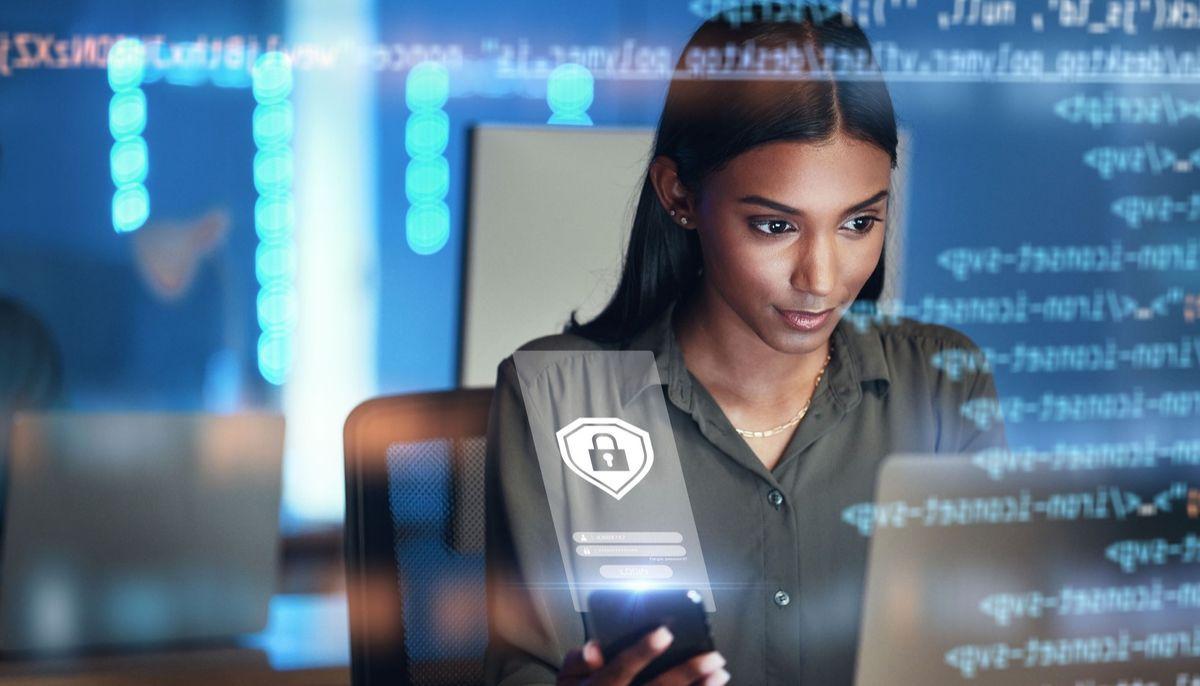
The Rise of AI Deepfakes: A Growing Threat to National Security and Business
28 Jul 2025•Technology

AI-Driven Attacks Surge: Deepfakes and Prompt Injection Threaten Businesses of All Sizes
24 Sept 2025•Technology

Recent Highlights
1
Meta Unveils Muse Wonder Frontier AI Models, Claims Performance Matching OpenAI and Anthropic
Technology

2
IMF Report Warns AI Market Correction Could Spark Global Financial Crisis With $1.4T at Risk
Business and Economy

3
OpenAI Releases 722 AI-Generated Math Solutions, Triggering Existential Crisis in Mathematics
Technology

Recent Highlights
Today's Top Stories








Don’t drown in AI news. We cut through the noise - filtering, ranking and summarizing the most important AI news, breakthroughs and research daily. Follow topics that matter to you and stay ahead.


