4 Sources
4 Sources
[1]
Teens get probation after using AI to create fake nudes of classmates
LANCASTER, Pa. (AP) -- Two teenage boys who used artificial intelligence to create fake nude photos of their classmates were put on probation Wednesday and placed in the custody of their parents. The boys, who were 14 at the time, admitted earlier this month that they made 59 child sex abuse images. Prosecutors said they morphed photos of girls, many from Instagram, with virtual images of adults depicting nudity or sexual activity. Some of the victims were their classmates at Lancaster Country Day School, west of Philadelphia. Police said in court documents that a woman reported that her daughter said a fellow student had been "taking photographs of students and using Artificial Intelligence (AI) technology to portray the female juvenile students as being nude." Wednesday's disposition hearing before Lancaster County Common Pleas Court Judge Leonard Brown III was the juvenile court version of a sentencing hearing. Along with probation, the boys were given 60 hours of community service each. If they don't have any additional legal problems, Brown said the case could expunged after two years. They were also ordered not to have contact with the victims and must pay an unspecified amount of restitution. As he imposed his sentence, Brown said he had not heard either boy apologize or take responsibility for their actions. If they were adults, he said, they probably would be headed for state prison. During the proceedings, the boys declined several opportunities to comment to the judge. Afterwards, one of the boys refused to comment outside court. "This has been a regrettable, long torturous process for everyone involved," Heidi Freese, an attorney for one of the boys. "There were very interesting, underlying legal issues surrounding the charges in this case and those will be decided on a different day in a different case." Pennsylvania Attorney General Dave Sunday has said the case "exemplifies the dark side of modern technology and social media." "The conduct involved a weaponization of technology to victimize unsuspecting children who had photos online. It goes without saying that the impact on the victims is nothing short of devastation," Sunday said in a release earlier this month. The resolution of the Pennsylvania case comes days after three teenagers in Tennessee sued Elon Musk's xAI, claiming the company's Grok tools morphed their real photos into explicitly sexual images. The high school students are seeking class-action status to represent what the lawsuit says are thousands of people who were similarly victimized as minors. The scandal in Pennsylvania in 2024 led to a student protest, the departure of school leaders and criminal charges against the two teenagers. Nadeem Bezar, a Philadelphia lawyer who represents at least 10 of the victims, said Tuesday he expects to file a claim "against the school and anybody else we think has culpability in these deepfakes being created and disseminated." He said he has not yet seen the photos but expects the legal process to determine "exactly when and where and how the school knew, how the boys created these images, what platforms they used to create these images and how they were disseminated." Bezar said the girls' reactions have varied, and for some it was traumatizing. "You're talking about teenage young women who are goal-driven, doing well in school, trying to do everything they can to just sort of fit in and find their way through life at that young age, where everything matters," Bezar said. As AI has become accessible and powerful, lawmakers across the country have passed laws aimed at barring deepfakes. President Donald Trump signed the Take it Down Act last year, making it illegal to publish intimate images including deepfakes without consent, and requiring websites and social media sites to remove such material within 48 hours of being notified by a victim. Forty-six states now have laws addressing deepfakes, with legislation introduced in the remaining four -- Alaska, Missouri, New Mexico and Ohio -- according to the consumer advocacy group Public Citizen. ____ Associated Press writers Geoff Mulvihill in Haddonfield, New Jersey, and Holly Ramer in Concord, New Hampshire, contributed.
[2]
Pennsylvania teenagers get probation after using AI to create fake nudes of classmates
Two teenage boys who used artificial intelligence to create fake nude photos of their classmates at an exclusive private school in Pennsylvania received probation Wednesday after dozens of victims described the images' traumatizing effect on them. The boys were 14 at the time. They admitted this month that they made about 350 images, showing at least 59 girls under 18, along with other victims who so far have not been identified. Authorities and the girls themselves said the boys took images of the girls from school photos, yearbooks, Instagram, TikTok and FaceTime chats in 2023 and 2024, and morphed them with images of adults depicting nudity or sexual activity. More than 100 students and parents from Lancaster Country Day School were in court to hear victims describe the shock of having to identify their own faces in pornographic photos to detectives. Juvenile proceedings in Pennsylvania are normally closed, but this was opened by the judge, providing an unusual opportunity for the community to be seen and heard. The girls described the fallout -- anxiety attacks, a loss of trust, problems focusing on schoolwork and a fear that the images may someday surface in unexpected ways. The two defendants stood stone-faced throughout, flanked by their lawyers and parents, as they were called pedophiles, "sick and twisted" and perverted. "I will never understand why they did this," one victim told Judge Leonard Brown, saying it "destroyed my innocence." One teen told Brown "how excruciating it is to bring these feelings up again and again." Another choked back tears as she excoriated one of the defendants for expressing "fake empathy" as girls confided with him about their pain, before it became known that he had been involved. Still another said all of her friends transferred schools, and that she "needed trauma therapy to even walk around my neighborhood." The defendants declined several opportunities to comment to the judge, who said he had not heard either boy take responsibility or apologize. "This has been a regrettable, long, torturous process for everyone involved," said Heidi Freese, defense attorney for one of the defendants. "There were very interesting, underlying legal issues surrounding the charges in this case and those will be decided on a different day in a different case." The other defendant's lawyers emailed a statement late Wednesday that said he was "extremely remorseful for his part in the AI-generated images and very sorry for any hurt he caused." Defense attorneys Adam Szilagyi and Christopher Sarno wrote that the images, which the lawyers said their client did not intend to be public, "contained nudity but did not contain any representations of sexual conduct or activity." They said their client did not use "any AI generator himself nor did he disseminate any of the images." Szilagyi said in a follow-up text that his client was accountable as part of the conspiracy and that both of the boys "gathered and exchanged the unaltered/original images that were put into the generator." Brown ordered each to perform 60 hours of community service, have no contact with the victims and pay an unspecified amount of restitution. If they don't have any additional legal problems, Brown said, the case can be expunged after two years. As he imposed his sentence, Brown said that if they were adults, they probably would be headed for state prison. He said they should "take this opportunity to really examine" themselves. The resolution of the Pennsylvania case comes days after three teenagers in Tennessee sued Elon Musk's xAI, claiming the company's Grok tools morphed their real photos into explicitly sexual images. The high school students are seeking class-action status to represent what the lawsuit says are thousands of people who were similarly victimized as minors. The scandal in Pennsylvania led to a student protest, criminal charges against the two teenagers and the departure of leaders at the school, which says it has about 600 students K-12, class sizes averaging just 12 kids, and "an endowment in excess of $25 million." Nadeem Bezar, a Philadelphia lawyer who represents at least 10 of the victims, said Tuesday he expects to file a claim "against the school and anybody else we think has culpability in these deepfakes being created and disseminated." He said he has not yet seen the photos but expects the legal process to determine "exactly when and where and how the school knew, how the boys created these images, what platforms they used to create these images and how they were disseminated." As AI has become accessible and powerful, lawmakers across the country have passed laws aimed at barring deepfakes. President Donald Trump signed the Take it Down Act last year, making it illegal to publish intimate images including deepfakes without consent, and requiring websites and social media sites to remove such material within 48 hours of being notified by a victim. Forty-six states now have laws addressing deepfakes, with legislation introduced in the remaining four -- Alaska, Missouri, New Mexico and Ohio -- according to the consumer advocacy group Public Citizen. ___ Associated Press writers Geoff Mulvihill in Haddonfield, New Jersey, and Holly Ramer in Concord, New Hampshire, contributed.
[3]
Teens get probation after using AI to create fake nudes of classmates
LANCASTER, Pa. (AP) -- Two teenage boys who used artificial intelligence to create fake nude photos of their classmates were put on probation Wednesday and placed in the custody of their parents. The boys, who were 14 at the time, admitted earlier this month that they made 59 child sex abuse images. Prosecutors said they morphed photos of girls, many from Instagram, with virtual images of adults depicting nudity or sexual activity. Some of the victims were their classmates at Lancaster Country Day School, west of Philadelphia. Police said in court documents that a woman reported that her daughter said a fellow student had been "taking photographs of students and using Artificial Intelligence (AI) technology to portray the female juvenile students as being nude." Wednesday's disposition hearing before Lancaster County Common Pleas Court Judge Leonard Brown III was the juvenile court version of a sentencing hearing. Along with probation, the boys were given 60 hours of community service each. If they don't have any additional legal problems, Brown said the case could expunged after two years. They were also ordered not to have contact with the victims and must pay an unspecified amount of restitution. As he imposed his sentence, Brown said he had not heard either boy apologize or take responsibility for their actions. If they were adults, he said, they probably would be headed for state prison. During the proceedings, the boys declined several opportunities to comment to the judge. Afterwards, one of the boys refused to comment outside court. "This has been a regrettable, long torturous process for everyone involved," Heidi Freese, an attorney for one of the boys. "There were very interesting, underlying legal issues surrounding the charges in this case and those will be decided on a different day in a different case." Pennsylvania Attorney General Dave Sunday has said the case "exemplifies the dark side of modern technology and social media." "The conduct involved a weaponization of technology to victimize unsuspecting children who had photos online. It goes without saying that the impact on the victims is nothing short of devastation," Sunday said in a release earlier this month. The resolution of the Pennsylvania case comes days after three teenagers in Tennessee sued Elon Musk's xAI, claiming the company's Grok tools morphed their real photos into explicitly sexual images. The high school students are seeking class-action status to represent what the lawsuit says are thousands of people who were similarly victimized as minors. The scandal in Pennsylvania in 2024 led to a student protest, the departure of school leaders and criminal charges against the two teenagers. Nadeem Bezar, a Philadelphia lawyer who represents at least 10 of the victims, said Tuesday he expects to file a claim "against the school and anybody else we think has culpability in these deepfakes being created and disseminated." He said he has not yet seen the photos but expects the legal process to determine "exactly when and where and how the school knew, how the boys created these images, what platforms they used to create these images and how they were disseminated." Bezar said the girls' reactions have varied, and for some it was traumatizing. "You're talking about teenage young women who are goal-driven, doing well in school, trying to do everything they can to just sort of fit in and find their way through life at that young age, where everything matters," Bezar said. As AI has become accessible and powerful, lawmakers across the country have passed laws aimed at barring deepfakes. President Donald Trump signed the Take it Down Act last year, making it illegal to publish intimate images including deepfakes without consent, and requiring websites and social media sites to remove such material within 48 hours of being notified by a victim. Forty-six states now have laws addressing deepfakes, with legislation introduced in the remaining four -- Alaska, Missouri, New Mexico and Ohio -- according to the consumer advocacy group Public Citizen. ____ Associated Press writers Geoff Mulvihill in Haddonfield, New Jersey, and Holly Ramer in Concord, New Hampshire, contributed.
[4]
Pennsylvania teens get probation after using AI to create fake nudes of classmates
Two teenage boys who used artificial intelligence to create fake nude photos of their classmates at an exclusive private school in Pennsylvania received probation Wednesday after dozens of victims described the images' traumatizing effect on them. The boys were 14 at the time. They admitted this month that they made about 350 images, showing at least 59 girls under 18, along with other victims who so far have not been identified. Authorities and the girls themselves said the boys took images of the girls from school photos, yearbooks, Instagram, TikTok and FaceTime chats in 2023 and 2024, and morphed them with images of adults depicting nudity or sexual activity. More than 100 students and parents from Lancaster Country Day School were in court to hear victims describe the shock of having to identify their own faces in pornographic photos to detectives. Juvenile proceedings in Pennsylvania are normally closed, but this was opened by the judge, providing an unusual opportunity for the community to be seen and heard. The girls described the fallout -- anxiety attacks, a loss of trust, problems focusing on schoolwork and a fear that the images may someday surface in unexpected ways. The two defendants stood stone-faced throughout, flanked by their lawyers and parents, as they were called pedophiles, "sick and twisted" and perverted. "I will never understand why they did this," one victim told Judge Leonard Brown, saying it "destroyed my innocence." One teen told Brown "how excruciating it is to bring these feelings up again and again." Another choked back tears as she excoriated one of the defendants for expressing "fake empathy" as girls confided with him about their pain, before it became known that he had been involved. Still another said all of her friends transferred schools, and that she "needed trauma therapy to even walk around my neighborhood." The defendants declined several opportunities to comment to the judge, who said he had not heard either boy take responsibility or apologize. "This has been a regrettable, long, torturous process for everyone involved," said Heidi Freese, defense attorney for one of the defendants. "There were very interesting, underlying legal issues surrounding the charges in this case and those will be decided on a different day in a different case." The other defendant's lawyers emailed a statement late Wednesday that said he was "extremely remorseful for his part in the AI-generated images and very sorry for any hurt he caused." Defense attorneys Adam Szilagyi and Christopher Sarno wrote that the images, which the lawyers said their client did not intend to be public, "contained nudity but did not contain any representations of sexual conduct or activity." They said their client did not use "any AI generator himself nor did he disseminate any of the images." Szilagyi said in a follow-up text that his client was accountable as part of the conspiracy and that both of the boys "gathered and exchanged the unaltered/original images that were put into the generator." Brown ordered each to perform 60 hours of community service, have no contact with the victims and pay an unspecified amount of restitution. If they don't have any additional legal problems, Brown said, the case can be expunged after two years. As he imposed his sentence, Brown said that if they were adults, they probably would be headed for state prison. He said they should "take this opportunity to really examine" themselves. The resolution of the Pennsylvania case comes days after three teenagers in Tennessee sued Elon Musk's xAI, claiming the company's Grok tools morphed their real photos into explicitly sexual images. The high school students are seeking class-action status to represent what the lawsuit says are thousands of people who were similarly victimized as minors. The scandal in Pennsylvania led to a student protest, criminal charges against the two teenagers and the departure of leaders at the school, which says it has about 600 students K-12, class sizes averaging just 12 kids, and "an endowment in excess of $25 million." Nadeem Bezar, a Philadelphia lawyer who represents at least 10 of the victims, said Tuesday he expects to file a claim "against the school and anybody else we think has culpability in these deepfakes being created and disseminated." He said he has not yet seen the photos but expects the legal process to determine "exactly when and where and how the school knew, how the boys created these images, what platforms they used to create these images and how they were disseminated." As AI has become accessible and powerful, lawmakers across the country have passed laws aimed at barring deepfakes. President Donald Trump signed the Take it Down Act last year, making it illegal to publish intimate images including deepfakes without consent, and requiring websites and social media sites to remove such material within 48 hours of being notified by a victim. Forty-six states now have laws addressing deepfakes, with legislation introduced in the remaining four -- Alaska, Missouri, New Mexico and Ohio -- according to the consumer advocacy group Public Citizen.
Share
Share
Copy Link
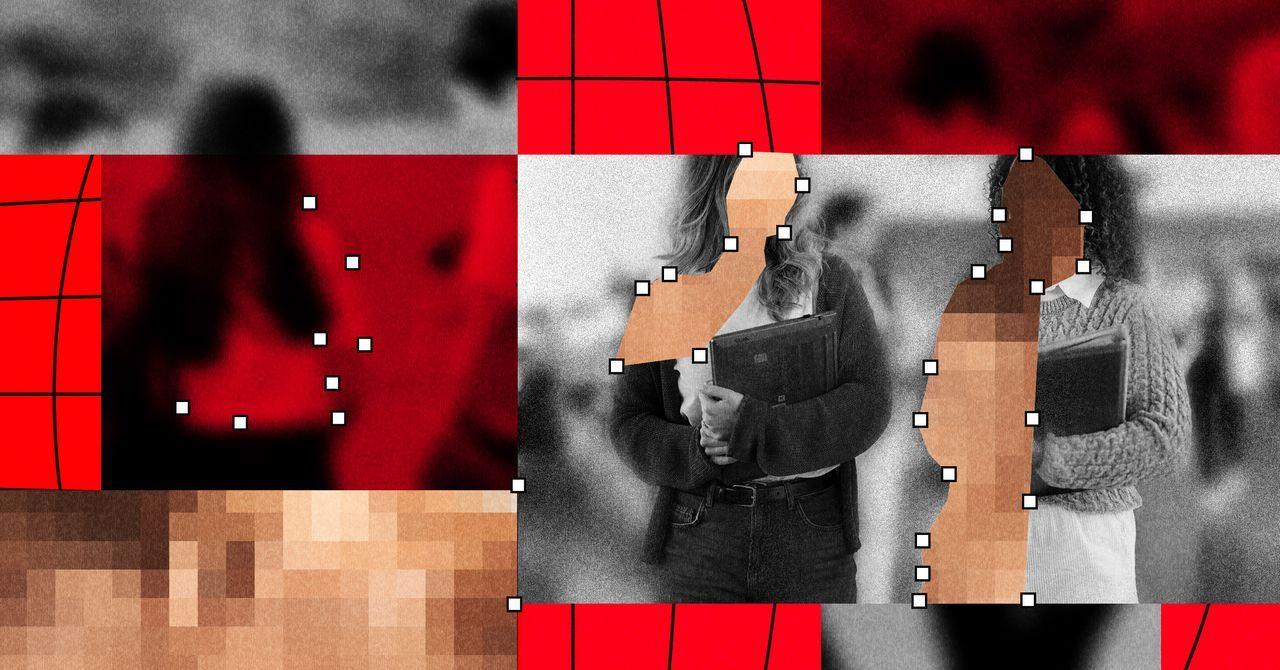
Two teenage boys received probation for creating approximately 350 AI-generated fake nude images of at least 59 female classmates at Lancaster Country Day School. The case highlights the weaponization of artificial intelligence to victimize minors, as victims described anxiety attacks, loss of trust, and lasting trauma. The sentencing comes as 46 states now have deepfake legislation and days after a lawsuit targeted Elon Musk's xAI over similar allegations.
Two teenage boys who used artificial intelligence to create fake nudes of classmates received probation Wednesday in a Pennsylvania courtroom packed with more than 100 students and parents from Lancaster Country Day School . The boys, who were 14 at the time of the offenses, admitted to creating approximately 350 images showing at least 59 girls under 18, along with other victims who have not yet been identified . Prosecutors said the defendants morphed photos taken from school photos, yearbooks, Instagram, TikTok, and FaceTime chats in 2023 and 2024 with images of adults depicting nudity or sexual activity
4
.
Source: CBS
Judge Leonard Brown ordered each defendant to perform 60 hours of community service, have no contact with victims, and pay an unspecified amount of restitution
1
. If they avoid additional legal problems, the case can be expunged after two years3
. Brown noted he had not heard either boy apologize or take responsibility, stating that if they were adults, they would likely be headed for state prison1
.In an unusual move, the juvenile proceeding was opened by the judge, allowing victims to describe the shock of identifying their own faces in pornographic photos to detectives . The girls described anxiety attacks, loss of trust, problems focusing on schoolwork, and fear that the AI-generated deepfakes may surface unexpectedly in the future
4
. One victim told Judge Brown the incident "destroyed my innocence," while another said she "needed trauma therapy to even walk around my neighborhood" .
Source: AP
Nadeem Bezar, a Philadelphia lawyer representing at least 10 of the victims, emphasized the profound effect on these young women: "You're talking about teenage young women who are goal-driven, doing well in school, trying to do everything they can to just sort of fit in and find their way through life at that young age, where everything matters"
3
. Bezar said he expects to file a claim against the school and others with culpability in these deepfakes being created and disseminated1
.Pennsylvania Attorney General Dave Sunday characterized the case as exemplifying the dark side of modern technology and social media, stating: "The conduct involved a weaponization of technology to victimize unsuspecting children who had photos online. It goes without saying that the impact on the victims is nothing short of devastation"
1
. The scandal led to student protests, criminal charges, and the departure of school leaders at Lancaster Country Day School, which has about 600 students and an endowment exceeding $25 million4
.Defense attorneys for one defendant claimed their client did not use any AI generator himself nor disseminate the images, though acknowledged he was accountable as part of the conspiracy . The lawyers stated both boys "gathered and exchanged the unaltered/original images that were put into the generator"
4
.Related Stories
The Pennsylvania case resolved days after three teenagers in Tennessee filed a lawsuit against Elon Musk's xAI, claiming the company's Grok tools morphed their real photos into explicitly sexual images
3
. The high school students seek class-action status to represent thousands of people similarly victimized as minors1
.As artificial intelligence has become more accessible and powerful, lawmakers have responded with new protections. President Donald Trump signed the Take it Down Act last year, making it illegal to publish intimate images including deepfakes without consent and requiring websites and social media sites to remove such synthetic media within 48 hours of notification by a victim
3
. Forty-six states now have laws addressing deepfakes, with legislation introduced in Alaska, Missouri, New Mexico, and Ohio1
. Legal experts expect the Pennsylvania case to determine exactly which platforms were used to create these child sex abuse images and how schools and technology companies share culpability when minors misuse artificial intelligence to create fake nudes of classmates .Summarized by
Navi
20 Nov 2024•Technology

08 Apr 2026•Entertainment and Society

22 Dec 2025•Entertainment and Society

1
Policy and Regulation

2
Policy and Regulation

3
Technology